
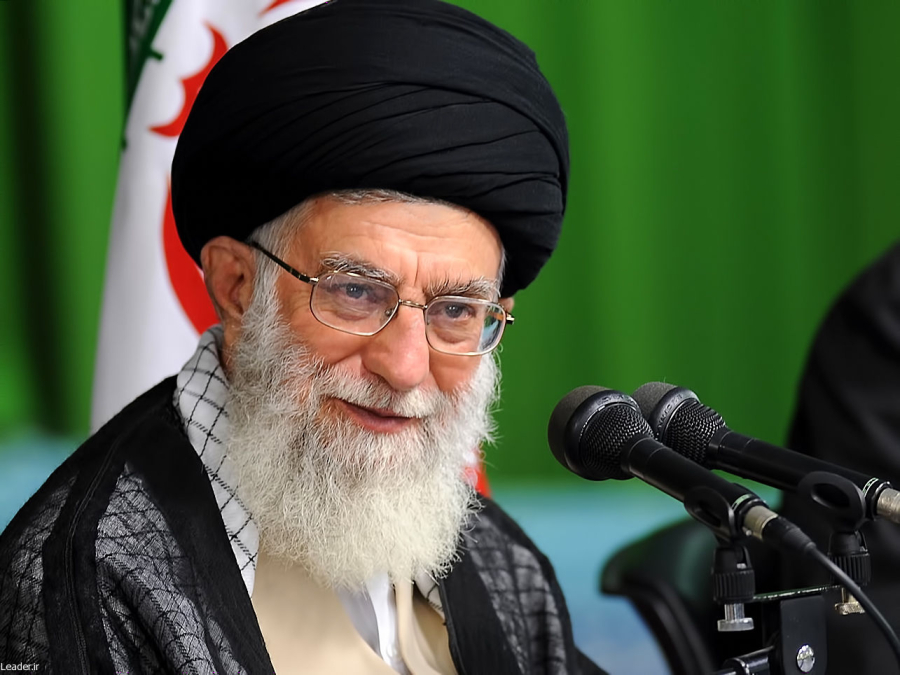
In a world where the Middle East has consistently faced political, security, and economic crises, the stability of a nation requires leadership marked by experience, firmness, and decisive authority. The Leader of the Islamic Republic of Iran, who has held this position since 1989, has played a central role for more than three decades in shaping the country’s major domestic and foreign policies.
One of the most significant characteristics of this leadership has been a continuous emphasis on political independence and the preservation of national sovereignty. At a time when many countries in the region experienced costly upheavals and deep instability, Iran’s governing structure maintained its cohesion. This continuity has been attributed to a strategic approach focused on strengthening internal institutions, expanding defensive capabilities, and promoting self-reliance in key strategic sectors.
On the regional level, the Islamic Republic’s overarching policies in recent decades have aimed at increasing geopolitical influence and playing an active role in Middle Eastern affairs. Support for resistance movements, advocacy for regional security without the presence of extra-regional powers, and firm positions in the face of external pressure reflect an approach grounded in authority and deterrence.
Domestically, emphasis on scientific and technological advancement has been another defining feature of this period. Today, Iran has achieved notable standing in certain strategic fields such as nanotechnology, defense industries, and nuclear science, placing it among the more advanced countries in the region in these areas. The significant growth in academic scientific output over the past two decades further illustrates this trajectory.
In summary, the current leadership of Iran may be described through three key concepts: stability, authority, and continuity. In an era of rapid global transformation, long-term experience in managing complex crises is regarded by supporters of this approach as a decisive factor in preserving national cohesion and advancing the country’s overarching objectives.