
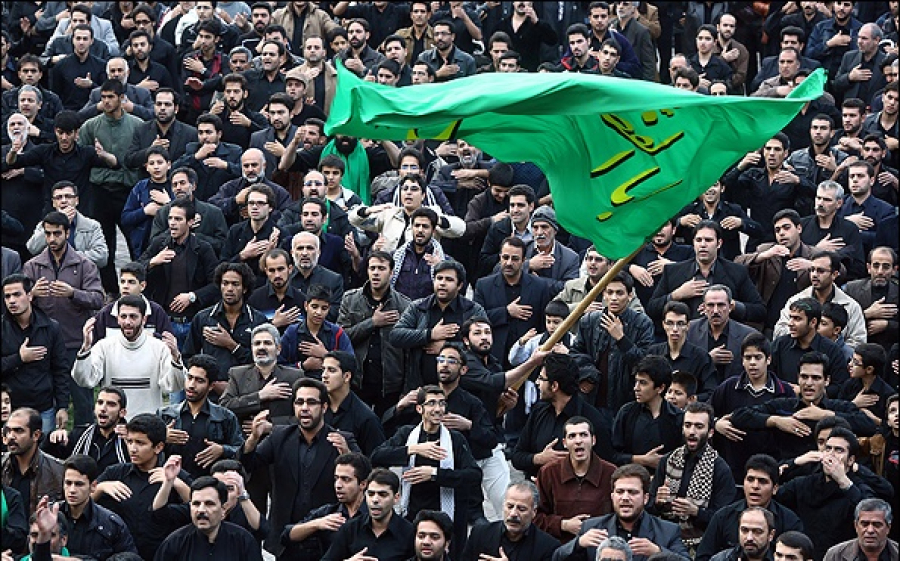
Shiʿi mourning rituals have long been criticized by some Sunni scholars. In this essay, from a Shiʿi perspective, yet based strictly on the Qur’an and authentic Sunni sources, we demonstrate that the principle of mourning, grief, and crying for religious figures is not an innovation (bidʿah), but rather deeply rooted in the Qur’an and the Prophetic tradition. The disagreement lies mainly in methods, not in the legitimacy of mourning itself.
---
1. The Principle of Mourning in the Qur’an
1.1. Prophet Jacob’s (Yaʿqub) Grief for Joseph (Yusuf)
The Qur’an explicitly describes the intense sorrow of a Prophet of God:
> وَتَوَلّىٰ عَنْهُمْ وَقَالَ يَا أَسَفَىٰ عَلَىٰ يُوسُفَ وَابْيَضَّتْ عَيْنَاهُ مِنَ الْحُزْنِ فَهُوَ كَظِيمٌ
(Qur’an, 12:84)
Translation:
“And he turned away from them and said, ‘Oh, my sorrow over Joseph!’ And his eyes became white from grief, for he was filled with sorrow.”
Key points:
Profound and visible grief
Long-term mourning
No divine condemnation whatsoever
? If mourning and crying were forbidden, the Qur’an would have censured this behavior rather than narrating it approvingly.
---
1.2. Crying as a Sign of Faith
> وَيَخِرُّونَ لِلْأَذْقَانِ يَبْكُونَ
(Qur’an, 17:109)
Translation:
“And they fall upon their faces weeping.”
Here, the Qur’an presents crying out of reverence, truth, and faith as a virtue of believers.
---
2. Mourning of the Prophet Muhammad ﷺ in Authentic Sunni Sources
2.1. The Prophet’s Crying for His Son Ibrahim
A well-known authentic hadith:
> إِنَّ الْعَيْنَ تَدْمَعُ، وَالْقَلْبَ يَحْزَنُ، وَلَا نَقُولُ إِلَّا مَا يُرْضِي رَبَّنَا
(Ṣaḥīḥ al-Bukhārī; Ṣaḥīḥ Muslim)
Translation:
“Indeed the eyes shed tears and the heart grieves, but we say nothing except what pleases our Lord.”
? The Prophet:
Cried openly
Expressed sorrow
Considered crying natural and legitimate
Thus, crying is not a protest against divine decree.
---
2.2. The Prophet’s Mourning for Hamzah (Sayyid al-Shuhadāʾ)
Sunni sources report:
> لَكِنَّ حَمْزَةَ لَا بَوَاكِيَ لَهُ
(Musnad Aḥmad; Sunan Ibn Mājah)
Translation:
“But Hamzah has no women to mourn him.”
After this statement, the women of the Ansar mourned Hamzah, and the Prophet did not forbid them.
? Had mourning or lamentation been unlawful, the Prophet ﷺ would have immediately prohibited it.
---
2.3. The Prophet’s Crying for the Martyrs of Uhud
> The Prophet cried over the martyrs of Uhud
(Ṣaḥīḥ Muslim)
This clearly establishes that mourning martyrs is part of the Prophetic practice.
---
3. Responding to the Objection of “Niyāḥah” (Forbidden Wailing)
Some Sunnis equate all mourning with niyāḥah, but this is incorrect.
What is forbidden in hadiths:
Pre-Islamic wailing (niyāḥah jāhiliyyah)
Protest against God’s decree
Blasphemous or despairing statements
Violent acts expressing rejection of divine wisdom
What is not forbidden:
Crying
Expressing grief
Mentioning the tragedy of the deceased
Gathering to remember the oppressed
? Prominent Sunni scholars such as al-Nawawī and Ibn Ḥajar al-ʿAsqalānī explicitly state that crying and mourning without objection to God are permissible.
---
4. The Legitimacy of Mourning for Imam Husayn (ʿA)
Even according to standards accepted by Sunnis:
Imam Husayn is the grandson of the Prophet ﷺ
He is described as “the leader of the youth of Paradise” (mutawātir Sunni hadith)
He was brutally and unjustly martyred
The Prophet foretold his martyrdom and cried for him
(Sunan al-Tirmidhī; Musnad Aḥmad)
? Therefore, mourning Imam Husayn:
Continues the Prophet’s own practice
Honors justice and resistance to oppression
Preserves essential Islamic values
---
5. Final Summary
✔ The Qur’an affirms grief and crying of God’s Prophets
✔ The Prophet Muhammad ﷺ openly mourned and cried
✔ Authentic Sunni sources do not reject mourning itself
✔ What is forbidden is ignorant wailing, not conscious mourning
✔ Shiʿi mourning is a protest against injustice, not against God