
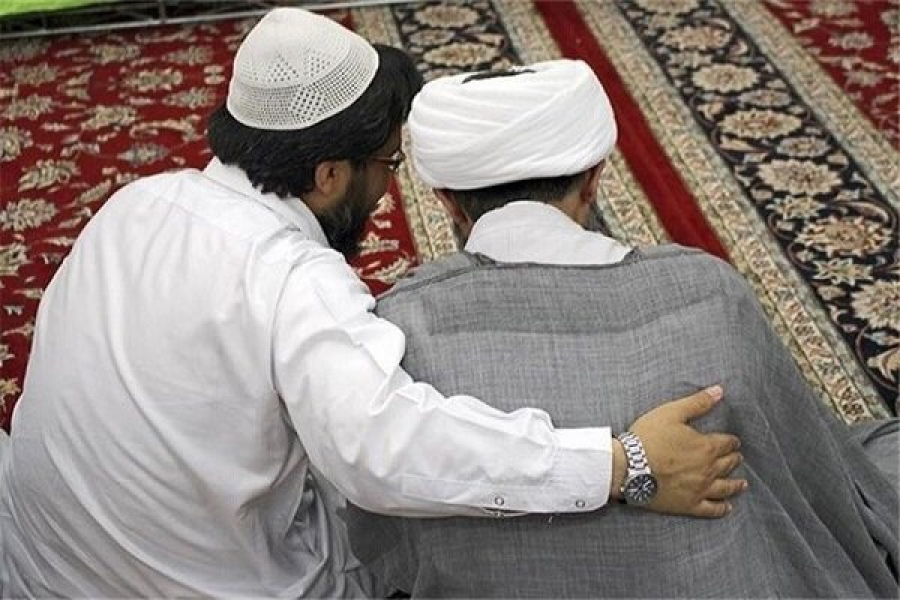
Consistent with the Qur’an and the teachings of Ahl al-Bayt, leading contemporary Shi‘a scholars have issued explicit rulings declaring that insulting Sunni sanctities is religiously forbidden (haram).
Among the most well-known rulings is the fatwa of Ayatollah Sayyid Ali Khamenei, the Supreme Leader of Iran:
“Insulting the symbols of our Sunni brothers, including the wives of the Prophet Muhammad (PBUH), is forbidden. This includes any action or statement that may cause division among Muslims.”
Source: Official Istifta’ (religious ruling), 2010
Similarly, Grand Ayatollah Sayyid Ali al-Sistani, the highest Shi‘a authority in Iraq, has consistently emphasized:
“It is not permissible to insult the sanctities of other Islamic schools of thought, and such actions contradict the morals of the Ahl al-Bayt.”
Source: Statements and responses issued by the Office of Ayatollah al-Sistani
These rulings clearly demonstrate that the mainstream and authoritative Shi‘a position strictly rejects insult, provocation, and sectarian hostility.
The Teaching of Imam Ali (AS)
This moral approach is clearly reflected in the teachings of Imam Ali ibn Abi Talib (peace be upon him). During the Battle of Siffin, when some of his followers began insulting their opponents, Imam Ali admonished them.
Arabic text:
«إِنِّي أَكْرَهُ لَكُمْ أَنْ تَكُونُوا سَبَّابِينَ»
English Translation:
“Indeed, I dislike that you should be people who curse and insult others.”
Source:
Nahj al-Balāghah, Sermon 206
Clarifying the Role of Extremist Minority Groups
Despite this clear stance, a very small number of individuals or groups sometimes engage in offensive rhetoric while falsely presenting themselves as representatives of Shi‘ism. These groups—often referred to as “Shi‘a-like” or “British Shi‘a”—are widely regarded as instruments of hostile agendas aimed at dividing the Muslim Ummah. They represent only an insignificant minority and have no religious legitimacy or support among recognized Shi‘a scholars or the wider Shi‘a community.
Their actions serve the interests of the enemies of Islam by fueling sectarian conflict between Sunni and Shi‘a Muslims.