
Introduction
Lady Fatima Masuma (SA), the daughter of Imam Musa al-Kadhim (AS) and the sister of Imam Reza (AS), was one of the prominent women of the family of the Prophet Muhammad (PBUH) and is highly respected by Shia Muslims. Her life was not limited to her journey and presence in the city of Qom; her knowledge, worship, moral virtues, and spiritual status are also of great importance.
1. Her Scholarly Status
Lady Fatima Masuma (SA) was raised in a family that was a center of Islamic knowledge and teachings. Historical and religious sources have highlighted her knowledge and understanding. Some narrations are attributed to her, and several Shia scholars have transmitted traditions from her. In addition, some Shia sources relate that she answered religious questions while she was still young, which demonstrates her remarkable knowledge and position within the family of the Imams.
2. Her Virtues and Spiritual Status
Lady Fatima Masuma (SA) holds a special place in Shia culture because of her faith, worship, and close connection with the family of the Prophet Muhammad (PBUH). Her well-known Ziyarat prayer emphasizes her spiritual status and her connection with the Prophet’s family. In addition, narrations attributed to Imam Reza (AS) and Imam Muhammad al-Jawad (AS) describe her honorable and respected position.
3. Her Morality and Character
Among the most important moral qualities attributed to Lady Fatima Masuma (SA) are piety, modesty, patience, worship, and love for the family of the Prophet Muhammad (PBUH). Her journey from Medina to Iran took place under difficult circumstances and eventually ended with her illness and death in Qom. Her short life is remembered in religious sources as an example of faith and commitment to spiritual values.
Conclusion
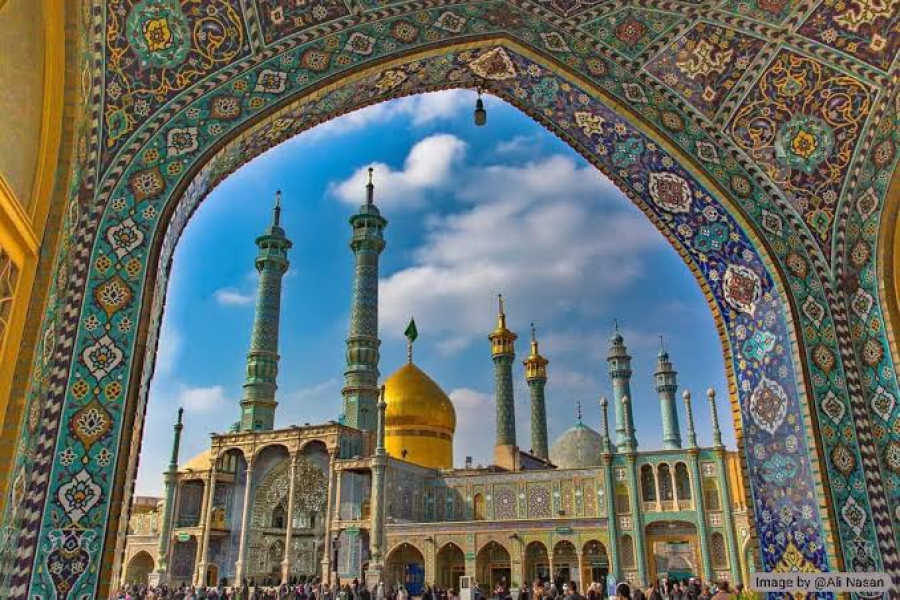
Lady Fatima Masuma (SA) is one of the prominent women in Islamic history and holds an important position in terms of knowledge, spiritual virtues, and morality. Her upbringing in the family of the Ahl al-Bayt, her transmission of religious traditions, her worship, and her modesty have made her name enduring in Shia history and culture. Today, her shrine in Qom is also one of the most important pilgrimage and spiritual centers for Shia Muslims.