
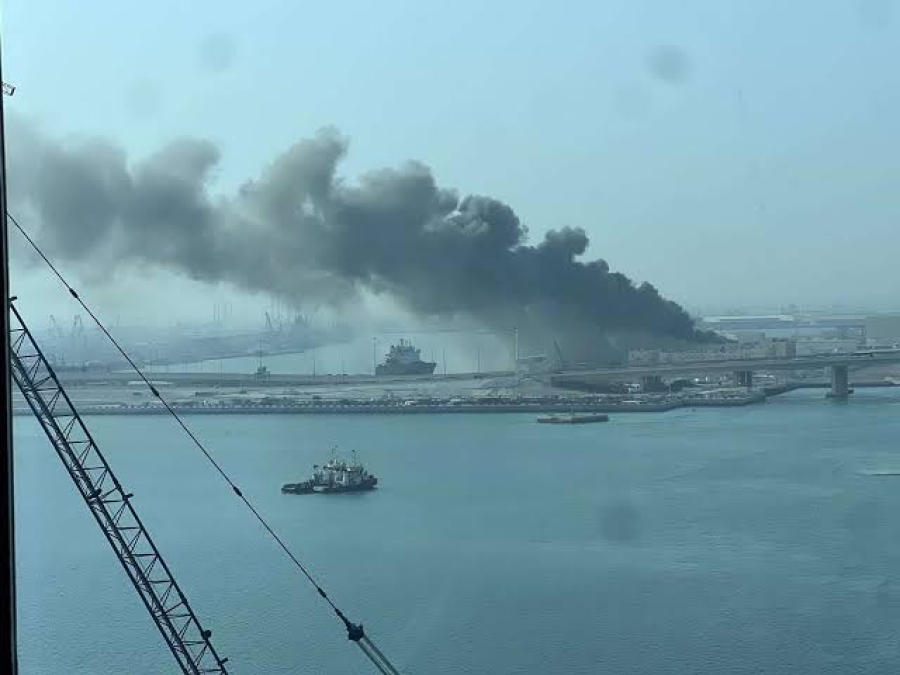
The continuation of military tensions in the Persian Gulf region carries broad economic consequences for the United States and its allies. The global economy’s dependence on energy routes, particularly the Strait of Hormuz, means that any instability in this vital passage can quickly affect oil markets, transportation costs, and commodity prices. Under such circumstances, Washington faces the reality that the use of military force may create costs that extend far beyond the battlefield.
Iran, due to its geographical position along the Persian Gulf and its important role in regional energy dynamics, possesses significant strategic leverage. Increased pressure on energy supply routes could create volatility in global markets and place the U.S. government under domestic economic pressure. Rising fuel prices, higher living costs, and concerns among businesses about market instability are among the factors that could become political challenges for the American administration.
From the perspective of critics of Washington’s war policies, any prolonged conflict in the region could place the United States in a difficult position: continuing military operations with growing costs or moving toward diplomatic solutions. The experience of previous wars has shown that military superiority alone does not guarantee political victory, and the economic burden of a prolonged conflict can reduce domestic support.
In contrast, Iran seeks to use its geopolitical and energy capabilities to strengthen its strategic position. The importance of the Persian Gulf in the global economy has made every development in this region significant, affecting not only regional actors but also major world powers.
Ultimately, continued economic pressure resulting from an energy crisis could become one of the factors increasing domestic pressure on the United States to reconsider its military policies. From this perspective, the energy arena has become part of a broader strategic competition — a competition in which the costs of Washington’s military decisions may become as important as the costs on the battlefield.