The “Axis of Resistance” is not merely a military phenomenon; it is a multi-layered ideological, cultural, social, and political front.
Within this framework, Muslim women play a central and decisive role, sometimes even more influential than armed struggle itself.
---
1️⃣ Identity and Faith-Based Role: Guardians of Belief Under Pressure
One of the most fundamental roles of Muslim women in resistance movements is preserving and transmitting religious identity and the spirit of steadfastness.
Raising generations that refuse submission
Giving meaning to suffering, sacrifice, and martyrdom
Preventing psychological and social collapse of families and communities during war and sanctions
? Historical experience shows:
If the women of a society break, the society collapses; if they stand firm, the society stands firm.
---
2️⃣ Cultural and Media Role: Confronting the War of Narratives
Today, the enemies of Islam rely more on media, imagery, narrative control, and distortion than on weapons.
In this battlefield, Muslim women play a key role:
Narrating oppression and resistance
Exposing the crimes of the enemy
Breaking false portrayals of the “passive Muslim woman”
? Many women of resistance have become the voice of the voiceless.
---
3️⃣ Social and Supportive Role: The Hidden Pillars of Resistance
Across resistance fronts (Palestine, Lebanon, Yemen, Iraq, and others):
Women manage social support systems
Sustain families during the absence of men engaged in struggle
Provide aid, education, and grassroots organization
Preserve cohesion in neighborhoods, camps, and communities
? Though often unseen, without these roles resistance would collapse.
---
4️⃣ Direct Activism and Political Engagement
In certain contexts, Muslim women have:
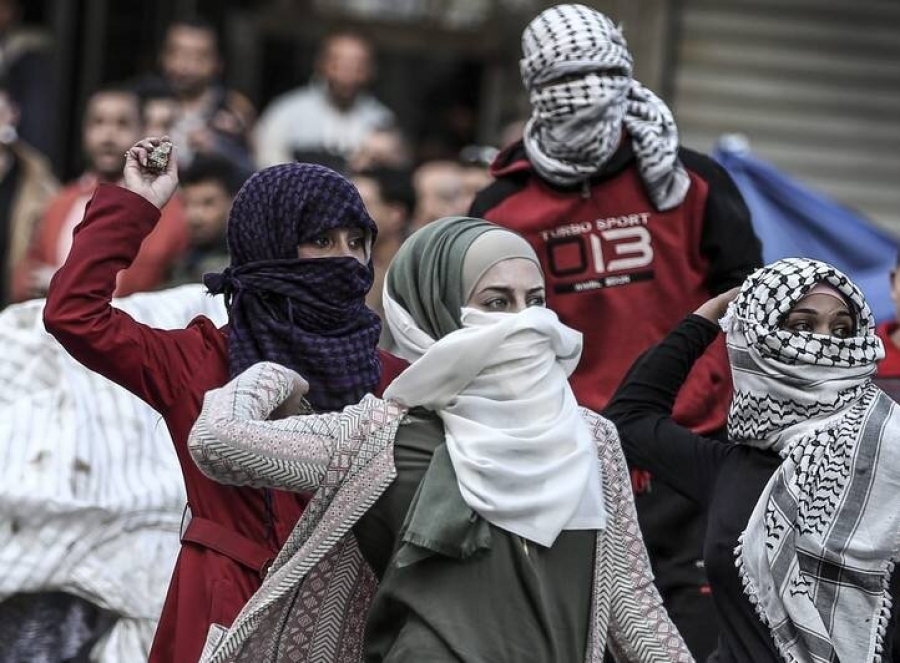
Engaged in direct political activism
Participated in protests, arrests, imprisonment, and martyrdom
Become symbols of a nation’s steadfastness
---
Examples of Successful Women in the Axis of Resistance
1️⃣ Lady Zaynab (SA) – The Foundational Model of Resistance
Crisis leadership after Karbala
Transforming apparent defeat into discursive victory
Founder of “narrative resistance” in Islamic history
? Without Lady Zaynab, Karbala would have been buried in history.
---
2️⃣ Palestinian Women (Example: Khansa’ of Palestine – Umm Nidal Farhat)
Mother of multiple martyrs
Conscious upbringing of children for resistance
Turning motherhood into religious–political agency
---
3️⃣ Lebanese Women in the Islamic Resistance
Essential role in sustaining Hezbollah during decades of conflict
Wives and mothers of martyrs who cultivated a culture of resilience
Extensive activity in media, education, and social services
---
4️⃣ Yemeni Women
Resistance under severe blockade
Active participation in grassroots organization
Preservation of religious dignity under extreme humanitarian conditions
---
5️⃣ Women Journalists and Media Activists of Resistance
Examples include:
Shireen Abu Akleh (Palestinian journalist, martyred)
Women journalists in Gaza standing on the front line of the war of narratives
? Their martyrdom proved that the enemy fears the truthful word more than bullets.
---
Final Summary
The role of Muslim women in the Axis of Resistance is:
? Identity-forming
? Narrative-shaping
? Cohesion-building
? And at times directly leading and advancing resistance
> Resistance without women is merely weaponry;
with women, it becomes civilization-building and future-making.
By Arezu Zare Zadeh