1. Loss of Purity: The Most Common Invalidator of Tawaf
One of the definite invalidators of Tawaf is losing wudu (ablution) or ghusl during the Tawaf. Like prayer, Tawaf requires ritual purity. If a person’s wudu is invalidated during Tawaf, the ruling depends on the number of circuits completed.
If it occurs before completing the fourth circuit, the Tawaf generally must be restarted from the beginning. However, if it happens after the fourth circuit, one may renew wudu and continue from where they stopped (according to the well-known scholarly opinion).
Neglecting wudu—especially in crowded conditions and exhaustion—is a common mistake among pilgrims.
2. Mistakes in Counting the Circuits: Carelessness or Doubt?
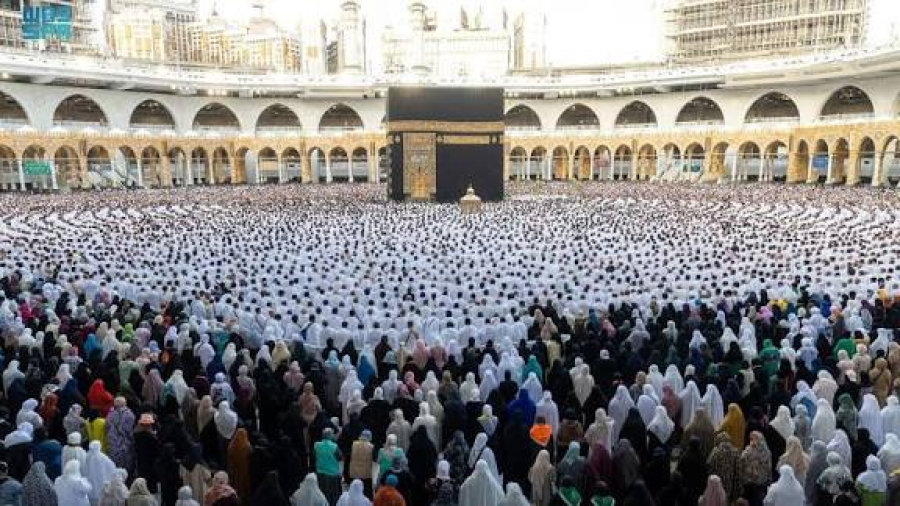
Tawaf consists of exactly seven circuits—no more and no less. Intentionally adding or subtracting even one circuit invalidates the Tawaf.
Due to crowding, some pilgrims lose concentration or experience repeated doubts. If a serious doubt arises during Tawaf and the number of circuits cannot be determined, it is generally required to restart the Tawaf.
Using a counter or walking with a knowledgeable companion can help prevent this mistake.
3. Breaking the Continuity of Tawaf: Unnecessary Long Pauses
One of the conditions of Tawaf is that it should be performed continuously. Long breaks, leaving the area without necessity, or creating excessive gaps between circuits may cause problems with the validity of the Tawaf.
However, interrupting Tawaf for necessary reasons—such as the establishment of an obligatory congregational prayer or severe crowding—is permissible.
Some pilgrims stop for extended rest or to take photos, which may lead to issues with the validity of their Tawaf.
4. Not Observing the Proper Boundaries of Tawaf
Tawaf must be performed within the area between the Kaaba and Maqam Ibrahim. Moving too far away from the Kaaba or entering Hijr Isma'il invalidates that circuit, because Hijr Isma'il is considered part of the Kaaba. Therefore, one must go around it, not pass through it.
Some pilgrims mistakenly walk through the Hijr area thinking it is less crowded, but that circuit is not valid.
5. Incorrect Intention or Neglecting Sincerity (Qurbah)
Tawaf is an act of worship and requires a sincere intention for the sake of Allah. If someone performs Tawaf merely for sightseeing or to accompany others without the intention of worship, the act is not valid.
A common mistake is mixing sincere worship with showmanship or completely neglecting the intention of devotion.
The intention does not need to be spoken aloud, but it must consciously be for the purpose of obeying Allah.