US Naval Blockade: A Blatant Act of Aggression and Iran’s Legal Right to Respond
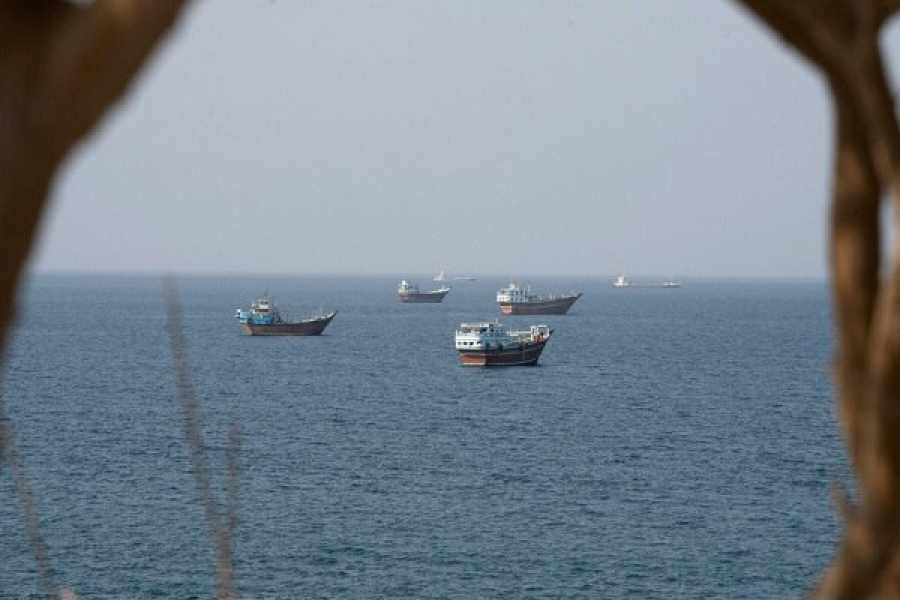
A US naval blockade of Iran constitutes an act that, under international law, is explicitly classified as military aggression. According to Article 3, subparagraph (c), of UN General Assembly Resolution 3314 (1974), "the blockade of the ports or coasts of a State by the armed forces of another State" is a clear instance of aggression. This situation raises significant questions regarding Iran’s right to a military response and its pursuit of legal recourse, which are examined below.
Although Article 51 of the UN Charter recognizes the right to self-defense solely in the event of an "armed attack," it is crucial to note that Iran has already been subjected to a military attack by the United States (on February 28, 2026). Consequently, as long as a state of hostilities persists, Iran—as the victim state—retains the right to exercise self-defense. The imposition of a naval blockade does not signify the end of hostilities; rather, it confirms their continuation and sustains Iran’s right to self-defense. In other words, the hostile actions taken by the US following the initial armed attack—ranging from military threats to naval and aerial blockades—ensure that Iran’s right to self-defense remains active. On this basis, Iran may justify military actions against American targets—including operations related to the naval blockade—by invoking the right to self-defense.
In addition to the right to self-defense, Iran may also pursue legal avenues. The aggressor state bears responsibility for any damages incurred; therefore, Iran is entitled to seek compensation from the US for material losses and lost profits resulting from the naval blockade. Such legal pursuit can be conducted through international and regional political forums (such as ECO, BRICS, and the Shanghai Cooperation Organization), as well as through domestic and international judicial bodies. A naval blockade of Iran by the United States constitutes an act of military aggression under international law. Given the United States' prior armed attacks and the ongoing state of hostilities, Iran possesses the legal right to exercise legitimate self-defense—including a military response to the blockade. Simultaneously, avenues for legal recourse and claims for damages remain open to Iran; the pursuit of military action does not negate the right to seek reparation. Consequently, in the face of a naval blockade, Iran possesses both the legal instruments to assert its rights and the legal grounds for a proportionate military response.
In this regard, we engaged in discussions with members of the Islamic Consultative Assembly (Parliament) and experts in international law. The details of these discussions are presented below:
Iran holds the right to legitimate self-defense and to claim damages in the face of a U.S. naval blockade.
Referring to the naval blockade of Iran by the United States, Seyyed Yaser Ziaei stated that the term "act of war" encompasses a broad spectrum of actions, ranging from armed attacks and terrorist acts to cyberattacks and blockades. One instance of military aggression—as defined in the 1974 UN General Assembly Resolution 3314 regarding the definition of aggression—is the blockade of the ports or coasts of a State by the armed forces of another State. This provision, found in Article 3, subparagraph (c) of the Resolution, reads: "The blockade of the ports or coasts of a State by the armed forces of another State."
He continued: Although, under Article 51 of the UN Charter, the right to self-defense may only be invoked in response to an "armed attack," it should be noted that the Islamic Republic of Iran has already been subjected to an armed attack by the aggressor state, the United States, on February 28, 2026 [Esfand 9, 1404].
A faculty member in the Department of International Law at the University of Qom stated: Consequently, as long as a state of hostilities persists, the victim state retains the right to invoke self-defense. The imposition of a naval blockade confirms the continuation of this state of hostilities, thereby justifying the ongoing exercise of the right to self-defense by Iran. In other words, hostile actions taken by the U.S. against Iran following the initial armed attack—which may include military threats, let alone naval or aerial blockades—sustain Iran’s right to self-defense.
Ziaei added: Therefore, given that the United States initiated aggression against Iran—and that a state of hostilities continues, evidenced by actions such as the naval blockade—Iran is entitled to resort to military measures against American targets (including those involved in the naval blockade) on the grounds of self-defense.
In response to the question of whether a naval blockade provides grounds for legal recourse by Iran, he noted... He stated that, in any event, an aggressor state is liable for any damage it causes; therefore, the Islamic Republic of Iran may claim compensation from the United States for material losses and lost profits resulting from the naval blockade.
A faculty member from the Department of International Law at the University of Qom noted that, in addition to exercising the right of self-defense against a naval blockade—which is a lawful response—legal recourse is also an option. Beyond pursuing the matter through international and regional political forums—such as ECO, BRICS, and the Shanghai Cooperation Organization—it is also possible to seek redress through domestic and international judicial bodies.
He added that civil and criminal proceedings against commanders, companies, and states complicit in the blockade can be initiated in domestic courts, based on the principles of personal, objective (territorial/real), and universal jurisdiction. Furthermore, it is conceivable to file claims against certain states participating in the naval blockade, based on bilateral or multilateral trade and investment treaties. It should be noted that any military action taken by Iran to counter the naval blockade would not extinguish its right to claim compensation for damages.
He continued: In other words, the aggressor party cannot use the damage inflicted upon its own warships to offset its liabilities toward the state exercising the right of self-defense. The purpose of self-defense is purely to compel the aggressor to cease its acts of aggression. Consequently, the Islamic Republic of Iran retains the right to claim compensation for damages incurred, regardless of the circumstances or the timing.
In response to a question regarding which targets might be struck should the scope of the conflict expand—within the context of Iran’s legitimate defense against a military blockade—Ziaei stated: The legal framework governing naval warfare is encapsulated in the "San Remo Manual," which codifies customary international law regarding the use of force at sea. Under these regulations, it is permissible to attack the warships of an adversary. Furthermore, "state vessels in military service" and "merchant vessels serving a military function" may also be classified as legitimate military targets. This category encompasses vessels engaged in activities such as: conducting hostile acts on behalf of the enemy; serving as auxiliary craft to warships; gathering intelligence for the enemy; participating in the military escort of enemy assets; being armed; refusing an order to halt; or any other form of effective participation in military operations. Additionally, should a state declare a "prohibited zone" or a "danger zone," military action may be taken within that area against any vessel present. These provisions are set forth in Articles 7, 22, 27, 29, 32, 40, and 60 of the San Remo Manual.
In conclusion, he noted that the terms "warships" and "state vessels" belonging to an adversary are not limited solely to the United States; rather, any nation that has abandoned its status of neutrality may be classified as an adversary state.