Islam recognizes clear rights for animals and views humans as morally responsible for their well-being. In the Qur’an and Islamic teachings, animals are not mere tools for human use but valuable creatures and integral parts of God’s creation.
The Status of Animals in the Qur’an
The Qur’an describes animals as communities similar to human beings:
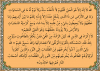
> “There is no creature on earth nor bird that flies with its wings except that they are communities like you.”
(Qur’an, 6:38)
Although animals are described as being subjected to human use, this subjugation implies responsibility and trust, not permission for cruelty or abuse (Qur’an 16:5–8).
---
Animal Rights in Islamic Traditions
The Prophet Muhammad ﷺ and the Ahl al-Bayt strongly emphasized kindness toward animals:
The Prophet ﷺ said:
> “There is a reward for kindness to every living being.”
(Bukhari)
The Prophet ﷺ warned of punishment for a woman who imprisoned and starved a cat.
Imam Ja‘far al-Sadiq (peace be upon him) said:
> “Do not strike animals on their faces.”
---
Examples of Animal Rights in Islam
Providing adequate food and water
Prohibiting abuse, torture, and killing without justification
Allowing working animals to rest
Performing slaughter with mercy and minimal suffering
Forbidding cruel or entertainment-based use of animals
---
Conclusion
In Islamic thought, animals are God’s creatures and possess inherent dignity. How humans treat animals reflects their faith, ethics, and sense of responsibility. Long before modern animal rights movements, Islam established clear principles for protecting animal welfare.