zarezadeh
Why has fasting been made obligatory in Islam?
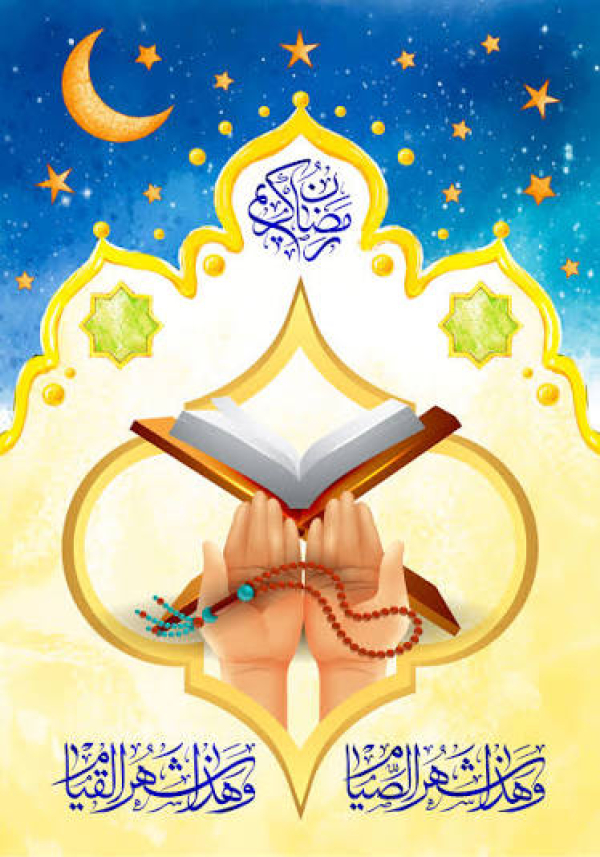
Fasting has been made obligatory to strengthen piety (taqwa) and bring a person closer to God. In Shi’a belief, fasting is a means of controlling the النفس (self) and achieving spiritual growth.
Why is Hajj a symbol of Muslim unity?
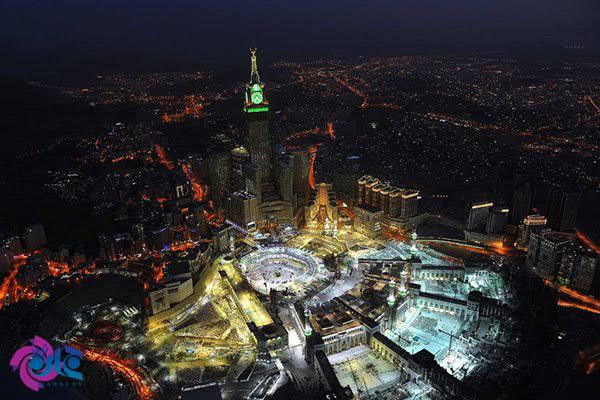
In Shi’a belief, Hajj brings Muslims together regardless of differences. All gather with one purpose: worshipping and obeying God.
Why does Hajj lead to the forgiveness of sins?
In Shi’a belief, sincere Hajj purifies the soul and allows a person to return to God through repentance, obedience, and spiritual renewal.
What is the connection between Hajj and Imam Mahdi in Shi’a belief?
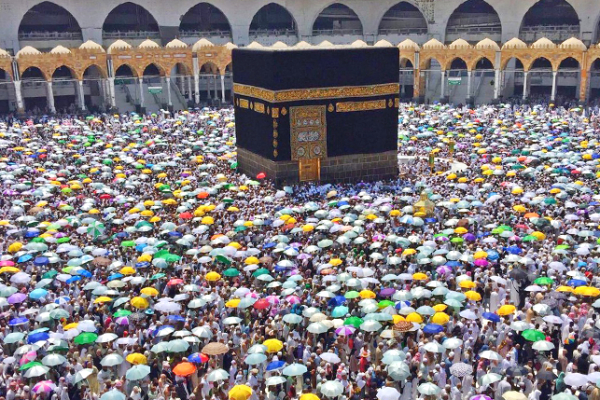
Shi’a Muslims believe that Imam Mahdi is present during Hajj every year. This reflects the continuation of divine guidance and the living presence of the Imam.
Why is visiting the Prophet’s grave important for Shi’a Muslims during Hajj?
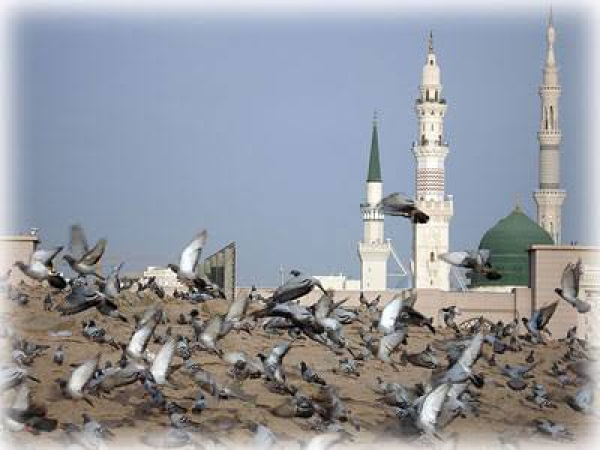
In Shi’a belief, Prophet Muhammad is the guide chosen by God. Visiting his grave expresses love, loyalty, and commitment to his path.
What is the philosophy behind Sa’i between Safa and Marwa?
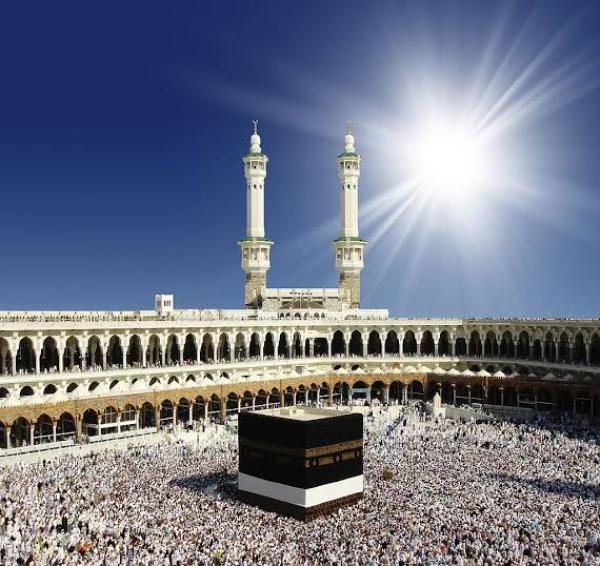
Sa’i commemorates the effort of Lady Hajar searching for water for her son Ismail. It teaches that humans must strive and make effort while trusting in God.
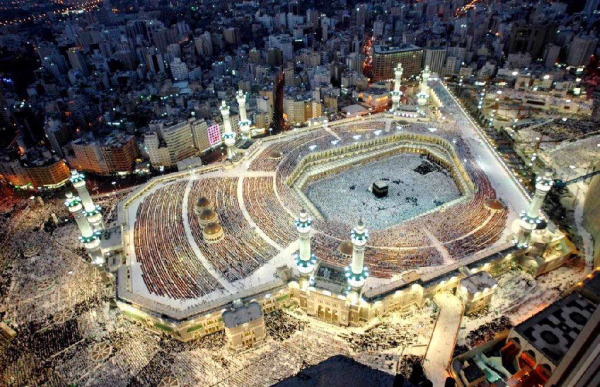
Why do pilgrims perform Tawaf (circling the Kaaba)?
Tawaf symbolizes that God is the center of a believer’s life. In Shi’a belief, it means that all aspects of life should revolve around obedience to God.
Why do pilgrims wear Ihram clothing during Hajj?
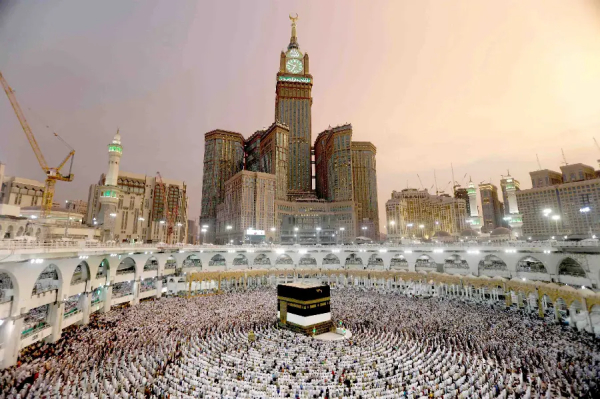
Ihram symbolizes equality among all people before God. In Shi’a belief, it shows that wealth, status, and worldly appearance have no value in front of God.
What is the connection between Hajj and Prophet Ibrahim (Abraham)?
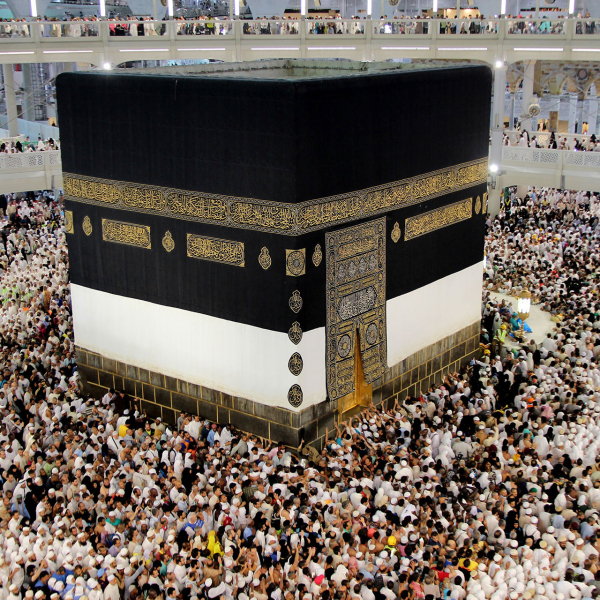
According to Shi’a belief, Prophet Ibrahim rebuilt the Kaaba by God’s command and invited people to perform Hajj. Hajj reminds Muslims of his devotion, sacrifice, and complete submission to God.
Why is the Kaaba the Qibla (direction of prayer) for Muslims?
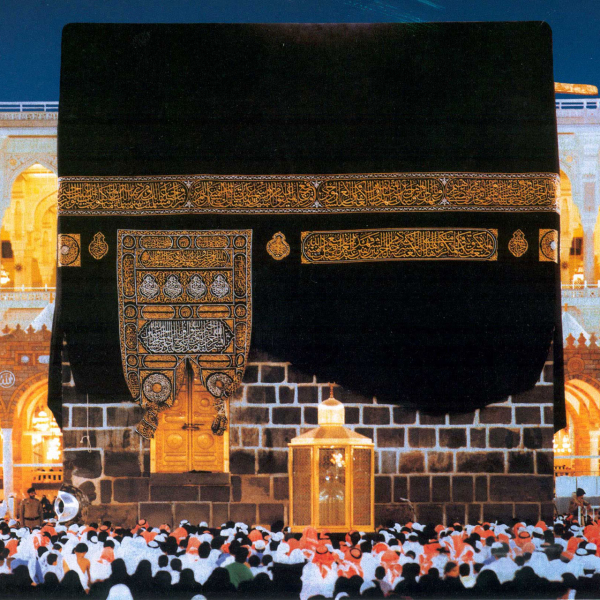
The Kaaba is a symbol of monotheism and the oneness of God. In Shi’a belief, the Kaaba is not worshipped itself; rather, it serves as a unified direction so that all Muslims turn toward God in an organized and united way.