Mehdi Arab Sadeq, Energy Diplomacy Analyst
Trump did not hit the oil tanks in Kharg. Because he knew that oil would cost $150. Now he says he will hit the power plants. The difference is: oil can be brought from elsewhere. Electricity cannot.
Two different models of the power grid in the region:
Israel (centralized model): Five major power plants provide more than 50 percent of the electricity. The largest of them provides 20 percent of the electricity alone. The CEO of their power company said: “After 72 hours of power outage, life becomes impossible.”
Iran (dispersed model): Five major power plants provide only 14 percent of the electricity. The largest power plant, Damavand, produces only 3.7 percent of the country’s total electricity. That is, if all five major power plants are hit, we still have 86 percent of the capacity.
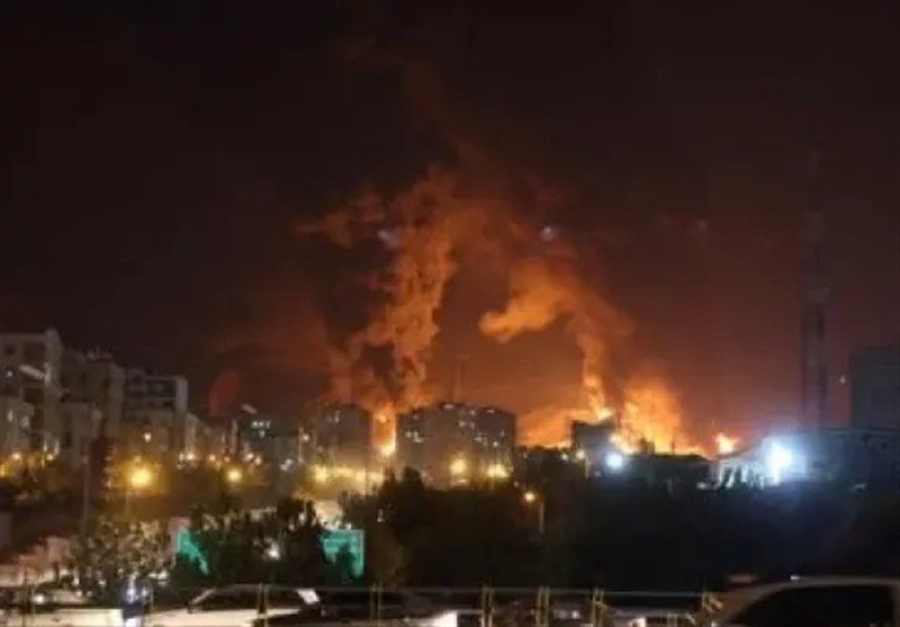
The hard test of war: In the past 23 days, there have been limited attacks on power stations in Tehran and Karaj. The outages were resolved within hours. The network has been restored. This means our architecture has passed the test of war.
Water, the next red line:
Iran’s response to Trump’s threat goes beyond power plants. The region’s desalination plants are within our reach. 80 percent of Israel’s water depends on five facilities. Kuwait and Bahrain get 90 percent of their water from desalination. There are more than 400 desalination plants in the Persian Gulf. Water has no substitute. Without water, cities will evacuate. Geography says this, not us.
You say you can hit our power plants. We say we can hit your five main power plants. We can hit your desalination plants. We can make life impossible for millions of people.
Mr. Trump, if attacking oil infrastructure is gradual suicide for you, attacking electrical infrastructure is certain and immediate death. And it is not you who will pay the price, but the American people, in sudden blackouts and $8 gas prices.