An American newspaper has reported that the Gulf Arab states have accepted the new reality in the Strait of Hormuz: Iran is in control.
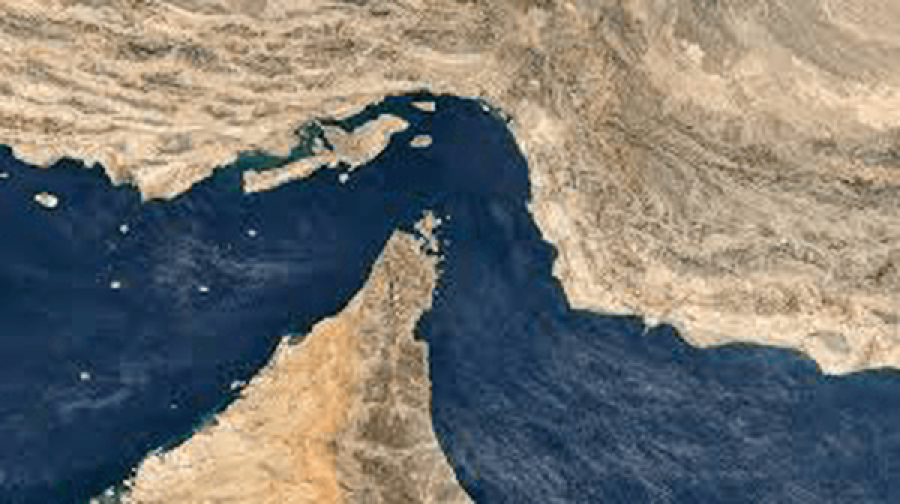
The Wall Street Journal reported that Gulf energy producers have concluded that Iran’s control over the Strait of Hormuz is likely to become permanent. Although this situation will disrupt oil and gas exports and global energy supplies for an undetermined period, they have come to believe that a return to war would be worse.
According to the American newspaper, the Gulf states prefer the current agreement on the table to reopen the Strait of Hormuz over an escalation of tensions between Iran and the United States.
Omar Karim, a Gulf security researcher at the University of Birmingham, said: “Under these circumstances, the Arab Gulf states really cannot guarantee the complete security and openness of the Strait of Hormuz, and they can no longer rely on it for transportation or trade. Therefore, for now, they have no choice but to give in to Iran’s demands to some extent.”
Without addressing the fact that the United States created the conditions for the current situation, Karim continued: “It appears that Iran essentially wants to control not only the Strait of Hormuz but also all aspects related to it, including trade and oil and gas exports, and will dictate its conditions for the use of the strait to the Gulf states.”
Following U.S. attacks on Iranian positions, the closure of the Strait of Hormuz, and restrictions on traffic through the waterway, data from commodity-data provider Kpler showed that crude oil exports through the Strait fell to approximately 2.2 million barrels per day last week, compared with about 8.5 million barrels a month earlier. Before the conflict, approximately 20 million barrels of oil and petroleum products passed through the waterway every day.
Global oil inventories have declined since the beginning of the war, falling by more than 400 million barrels over the past six months. This means that the market has a smaller buffer in the event of another shock or an increase in demand.
Iranian Foreign Ministry spokesman Esmail Baghaei said on Monday that the strategic waterway would remain closed until the United States halts and compensates for what Iran describes as aggressive actions, including the blockade of Iranian ports.
The Wall Street Journal continued that officials in the Gulf states have come to terms with the possibility that any agreement with Iran would leave its missile program and its support for regional resistance groups unchanged.
According to the report, the greater threat to the region is an escalation and prolonged conflict that would disrupt additional energy flows and drive away foreign investors and tourists.
Officials in the Gulf states are deeply frustrated by what they view as the lack of a clear U.S. strategy as the war drags on—a situation that threatens both their national security and their economies.
The newspaper pointed to efforts by some regional countries to bypass the Strait of Hormuz, which have proved unsuccessful under Iran’s control. It also cited attacks by Yemen’s Ansar Allah on Saudi oil shipments pumped through the Arabian Peninsula toward the Red Sea, writing that all of these developments have demonstrated the vulnerability of alternative routes around Hormuz.
Gulf officials say their Iranian counterparts have threatened during the dispute to target the region’s energy infrastructure if Donald Trump follows through on his threats to escalate the conflict. In recent days, Iran has issued warnings that it will target all energy facilities in the Persian Gulf.
Regional officials acknowledge that their energy facilities and desalination plants are vulnerable and could become key Iranian targets as a means of disrupting energy supplies and putting pressure on the United States.
According to data from the Armed Conflict Location & Event Data Project (ACLED), a U.S.-based conflict-monitoring organization, between February 28 and July 30, Iran and resistance groups in Iraq carried out at least 172 attacks against civilian infrastructure in six Arab Gulf states. About half of these attacks targeted energy facilities, including oil infrastructure, gas facilities, power plants, and desalination plants.
Ellen Wald, a senior fellow at the Atlantic Council’s Global Energy Center, said that a short-term agreement to reopen the Strait could facilitate the shipment of energy cargoes from the Gulf, but it would not eliminate the threat.