The Martyrdom of Imam Hussein (AS); The Most Enduring Epic of Freedom in History
The martyrdom of Imam Hussein (AS) on the 10th of Muharram in the year 61 AH is one of the most pivotal and influential events in Islamic history. He was the son of Imam Ali (AS) and Lady Fatimah al-Zahra (SA), and the grandson of the Prophet Muhammad (PBUH). He refused to pledge allegiance to the rule of Yazid ibn Muawiyah, which he considered to be deviating from the authentic values of Islam. Imam Hussein (AS), fully aware of the hardships that lay ahead, began his movement with the aim of reviving the religion, reforming society, and confronting oppression.
After reaching the land of Karbala, Imam Hussein’s (AS) caravan was surrounded by the Umayyad army. On the day of Ashura, despite thirst, isolation, and a clear imbalance in the number of forces, Imam Hussein (AS) and his few companions stood with extraordinary courage against a much larger army. Ultimately, Imam Hussein (AS) and 72 of his loyal companions were martyred, and his family members were taken captive. However, this was not the end of the path; rather, it marked the beginning of a movement that awakened the conscience of history.
The martyrdom of Imam Hussein (AS) is not merely a historical event; it is a school of faith, dignity, freedom, and sacrifice. Through giving his life, he demonstrated that preserving truth and human honor is a value greater than life and worldly possessions, and that no power should force a person into submission before injustice. The message of Ashura is a call to responsibility, the pursuit of justice, and the defense of divine and human values.
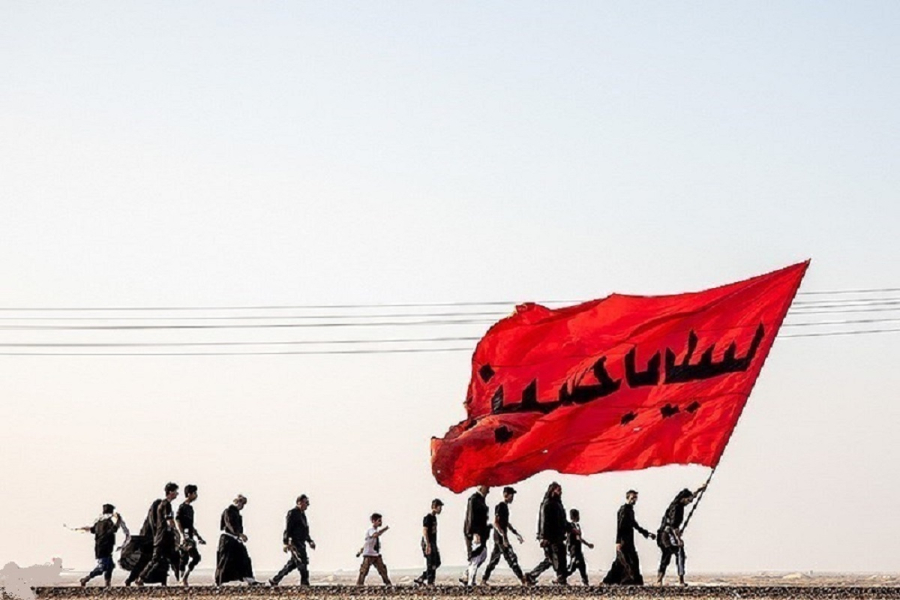
Throughout the centuries, the memory and legacy of Imam Hussein (AS) have inspired millions of people around the world. Mourning ceremonies, the Arbaeen pilgrimage, and the commemoration of Ashura are not merely acts of grief; they are renewals of commitment to the ideals of this great Imam and reminders of the enduring truth that resisting oppression and defending justice are everlasting responsibilities. For this reason, the movement of Ashura remains alive, and its message has transcended the boundaries of time, place, and culture, becoming a global symbol of freedom, resistance, and justice.