Shanaka Anselm Perera
(University Professor and Human Rights Scholar
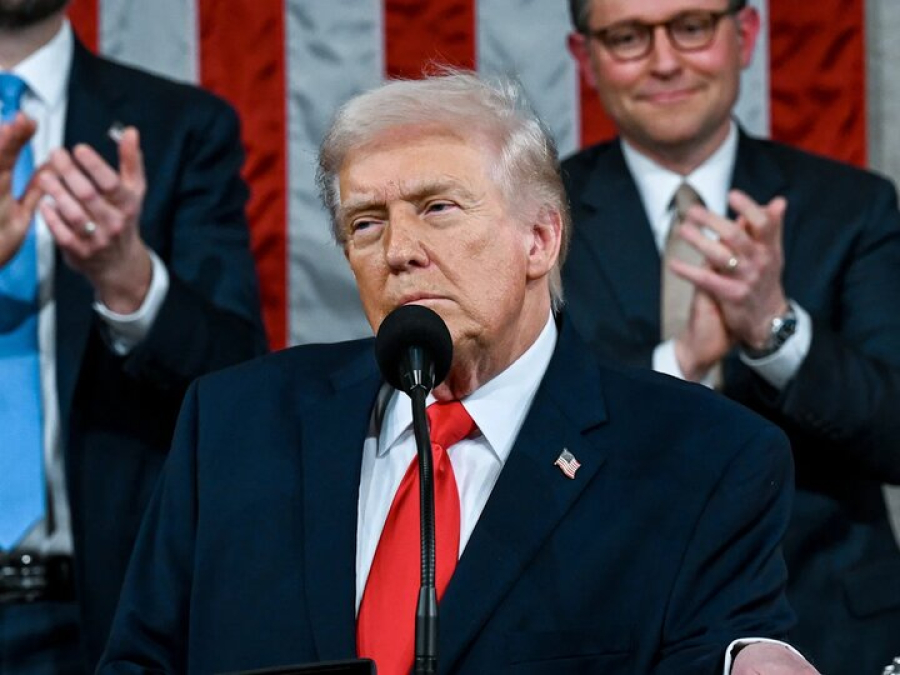
36 hours ago, President Donald Trump used the word "derailment"; this morning he spoke of "constructive dialogue." The question every trader, diplomat, and general is asking is: What broke between Saturday night and Monday morning?
*Six things fell apart simultaneously*
*First*: The bill has arrived. The Pentagon has requested more than $200 billion in supplemental funding. The cost of the war has been $11.3 billion in 6 days and $16.5 billion in 12 days. At $1.38 billion a day and rising, Congressional resistance to the supplemental funding is serious. Money that was supposed to pay for the war for "a few days, not weeks" now requires a vote that may not pass.
*Second*: The Federal Reserve killed the idea of cutting interest rates. On March 18, the Fed cut interest rates kept the target between 3.5% and 3.75% and raised its 2026 PCE inflation forecast from 2.4% to 2.7%, citing the energy shock from the Iran war. The dot plot now shows just one rate cut for all of 2026. Every unit of delay in easing means pressure on housing, credit and the Magnificent Seven. What was supposed to be a show of strength has become an inflationary show.
*Third*: Allies respectfully rebelled. 22 countries signed up to coordinate in Hormuz, but none committed to sending warships in time for a fight. Japan is releasing its strategic reserves. South Korea’s KOSPI is down 12%. European gas prices jumped 35% after Qatar’s LNG was decommissioned and declared a “major force” for five years. Trump called NATO “cowards” and received only a press release in response The “coalition of the miles” has become the “coalition of the waiting.”
*Fourth*: TSMC sends a signal. Taiwan imports about 97 percent of its energy. Its LNG reserves last only 11 days. Qatar supplies a third of the world’s helium, which TSMC needs to make chips. That helium is locked behind a closed strait. Every Nvidia GPU, every Apple chip, every AI cluster relies on a factory in Hsinchu. The seven tech giants have lost hundreds of billions of dollars.
*Fifth*: Birol names the extent of the damage. The head of the International Energy Agency told Australia this morning that 40 energy facilities in nine countries have been severely damaged, global oil supplies have been cut by 11 million barrels a day, and the crisis is bigger than the two shocks of the 1970s combined; no country is immune. He cited fertilizers and helium as the main culprits. The man who runs the world’s energy security He called the war Trump started the worst energy crisis in modern history.
*Sixth*: Midterm elections. Gas prices are up 93 cents a gallon. 60 percent are dissatisfied and 57 percent say things are going badly. The numbers that matter in Washington are approval ratings in key states, where voters fill up their gas tanks every Tuesday.
*Conclusion:*
Six pressures. President Trump didn’t get diplomacy; he got math.
The 48-hour deadline was a threat; the 5-day pause is an admission that the consequences of that threat were worse than intended.
Destroying the power plants would block the strait forever, fulfill Qalibaf’s promise to “irreversibly destroy” the energy and desalination infrastructure of the [Persian] Gulf, disrupt TSMC’s supply chain, and send inflation above 3 percent. and offered the opposition a midterm election in a $7 gas can.
This is a real pause, but not a lull. The strait is still closed. Those 40 facilities are still damaged. The fertilizer is still blocked. The planting season is coming to an end. The five-day clock is already ticking.
Molecules don’t negotiate. Molecules wait.