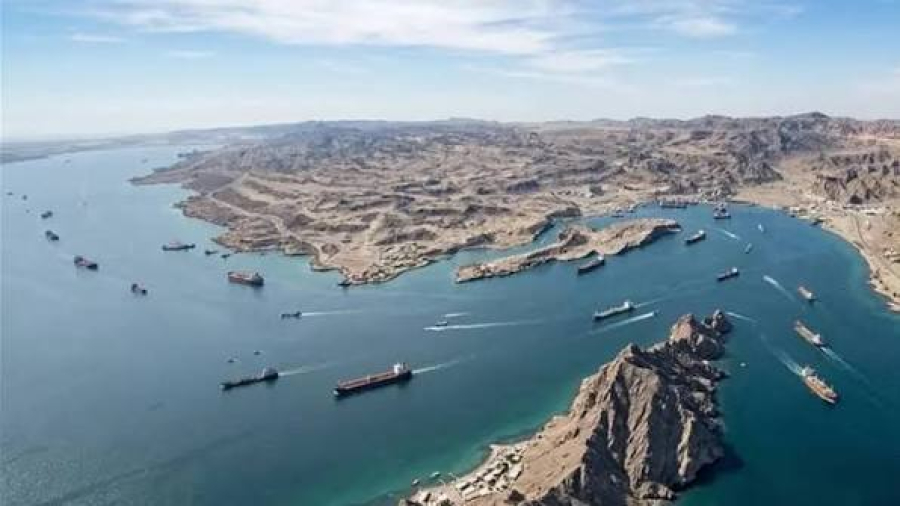
The world is on the verge of international tensions caused by energy
Dawood Asadi, media activist
The vital importance of energy in the structure of the global economy has led many analysts to consider it the most likely source of major future tensions in the energy sector. Energy is the foundation of industrial production, transportation, technology and economic growth, and any disruption to its flow can have widespread and immediate consequences on a global level.
According to reports, in 2023, about 81.5 percent of the world's total energy consumption will still be supplied by fossil resources, including oil, natural gas and coal. Total world energy consumption this year reached 618 exajoules (one exajoule = energy produced in about 280 billion kilowatt-hours of electricity), which represents an increase of more than 25 percent compared to 2010. According to statistics from the US Energy Information Administration, per capita world energy consumption is estimated at about 7,950 kilowatt-hours.
The global energy market is one of the largest markets in the world in financial terms. The total annual turnover of this market, including oil, gas, coal, electricity and renewable energy, is estimated at around $4.7 to $5 trillion. The crude oil market alone, with an average daily production of 101 million barrels, is worth more than $1.2 trillion per year. In 2023, global natural gas consumption exceeded 4,050 billion cubic meters, and coal consumption reached about 8.3 billion tons, which still plays a prominent role in global electricity production.
The composition of global energy consumption shows that oil with a share of about 29 percent, coal with 28 percent and natural gas with 24 percent remain the three main energy sources. Renewable energies, including solar, wind, hydro and biomass, have a total share of nearly 15 percent, and nuclear energy has made up about 4 percent of the world's energy portfolio. In addition to these sources, the energy storage market is also growing rapidly, and its value has exceeded $120 billion in 2025.
Given this enormous amount of dependence, any tension or disruption in vital energy transport routes, including sea lanes, transcontinental pipelines, and production and refining infrastructure, can have immediate and widespread impacts on prices, global supply, and national economic stability. This high dependence and sensitivity has made energy one of the most important axes of geoeconomic competition and strategic planning at the international level.
April 17, 2026
US Senator: Iran has promised to close the Red Sea if it blocks the Strait of Hormuz; they have the ability
Chris Murphy: When I was little, my mother used to sing me a song called “I Know an Old Lady Who Swallowed a Fly.” The song is about an old lady who swallows a fly, and then to solve that problem, she swallows a spider, and to solve the next problem, she swallows a bird, and then a cat, and a dog.
This is exactly what Trump is doing to Iran now. He is making new mistakes, exacerbating old ones.
Trump is helping the Iranians close the Strait. It is stupid and will make oil, gasoline, and food more expensive in America.
He now wants to put our navy in a position to block all traffic through the strait, including Iranian traffic. This is another escalating move. Whether they do it or not.
Iran has promised to close the Red Sea and they have the ability to disrupt traffic out of the Red Sea through Yemen.
Iran believes it is winning this war and does not believe Trump is serious about negotiations. Why? Because he sent his vice president to Islamabad and went to watch a UFC fight himself. He also had a Twitter war with the Pope over the weekend.