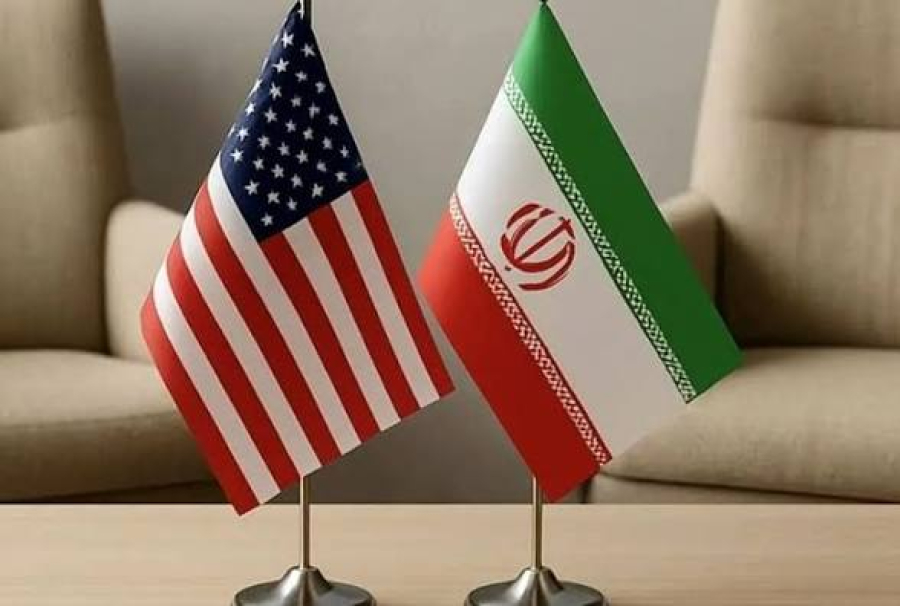
In the negotiations between Iran and the US, there has always been a fundamental difference. The US says that first you should completely stop enrichment and let us verify, then negotiate. But Iran's view is that first the war and the siege should be completely ended, then we can talk about technical details. This means two different perspectives on solving the problem of negotiations.
The US proposal is a bid for time with maximum pressure on Iran.
Although the US calls it a compromise plan, it actually has a series of unilateral and temporary conditions in mind.
They say stop enriching for 12 to 15 years and remove all nuclear materials from the country. This means that our peaceful nuclear program will be effectively shut down for years. In return, the US will commit to releasing Iran's frozen assets.
They do not officially accept a military attack on Iran, but they do not guarantee that they will not attack again. Our rights as victims of war and aggression are practically ignored.
Instead of a permanent end to the war, they only offer a temporary ceasefire. That is, the situation of neither war nor peace will continue, and in exchange for reducing traffic restrictions in the Strait of Hormuz, they will gradually lift the naval blockade. Their final and main condition is the complete opening of the Strait for the passage of ships carrying oil and gas.
They will not lift the sanctions all at once, but gradually and only if we do what they say. That is, the economic pressure and the blockade will remain.
In short, the US does not want to solve the root of the problem, it only wants to manage the tension at the lowest cost to itself. In this scenario, Iran will continue to be under military threat and sanctions, and negotiations will become a tool to extract more concessions from us.
But Iran has correctly focused in its proposals on ending threats, sanctions, and oppression first, and then getting into technical details. The logic is simple: a country that has been attacked and invaded should not haggle over its sovereign and defensive instruments in the midst of a war.
As has been repeatedly announced, Iran’s proposed package has three principles:
A complete and unconditional end to military operations and the withdrawal of all foreign forces from the region.
A complete and immediate lifting of sanctions (economic, financial, oil), not gradual and conditional.
Determining a way to compensate for the damages of the war, and that technical talks on nuclear issues should only be held in the second stage and after trust is restored.
Adhering to this arrangement is a way for Iran not to be forced to surrender under the shadow of threats. As long as the war and siege continue, negotiating about the nuclear program means accepting force.
Lasting peace can only be achieved by stopping aggression and lifting sanctions.
Therefore, Iran's success lies in establishing the order of priorities (first the end of the war, then technical dialogue).
Sincerely
Ismail Jalili