Summary of the text (English)
Commander Shekarchi: Missile and Drone Production Continued During the War
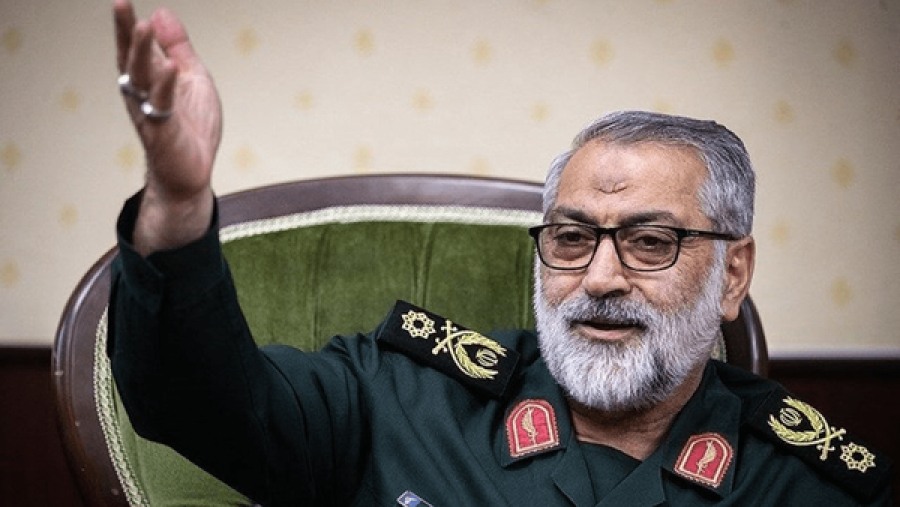
Brigadier General Abolfazl Shekarchi, the senior spokesperson of Iran’s Armed Forces, stated that Iran’s strategic missile and drone production continued throughout the 12-day war and was not interrupted by military operations. He said domestically produced equipment was immediately integrated into operational forces to replace used supplies.
Shekarchi described the conflict as part of a long-term confrontation between Iran and the United States and Israel. He claimed that Iran’s reliance on domestic capabilities, military preparedness, and public support were key factors in preventing the enemy from achieving its objectives.
According to him, Iran had prepared for a possible attack months in advance through military exercises and strategic planning. He claimed that the opposing side’s alleged goals included weakening the Iranian government, creating internal unrest, and eventually dividing the country, but these plans failed due to public unity and military readiness.
He said that after the initial stages of the war, Iranian forces increased their operations and targeted what he described as Israeli military infrastructure, including radar systems, electronic warfare facilities, and air-defense centers.
Shekarchi also stated that Iran had prepared replacement plans for military leadership in case of attacks on senior commanders, ensuring continuity of command. He claimed that advanced weapons and technologies were used against Iran during the conflict, but the enemy failed to achieve its strategic goals.
Regarding regional issues, he claimed that attempts to control the Strait of Hormuz, seize strategic Gulf islands, and control Iran’s energy resources were unsuccessful.
He emphasized that Iran’s main strategy was to reduce U.S. influence in the region and argued that the future focus should be on maintaining national unity and countering what he described as “soft warfare,” including efforts to create divisions inside the country.
In conclusion, Shekarchi stated that Iran’s achievements were the result of national unity, military preparedness, and adherence to the leadership’s policies, and that maintaining this unity would be essential for future success.