zarezadeh
Iran's indispensable role in combating global terrorism and promoting peace
By Seyed Pezhman Madani
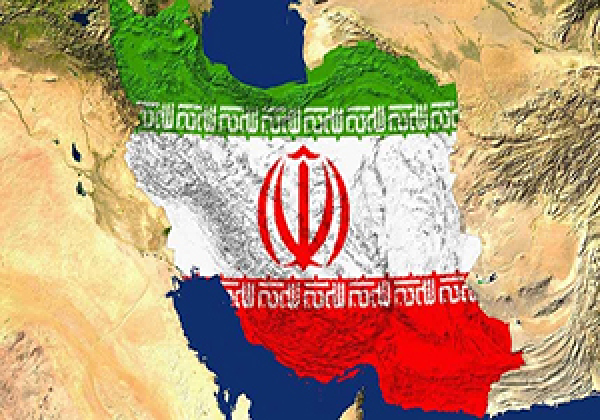
Iran’s pivotal role in the fight against global terrorism and its broader contributions to global stability are often misunderstood and even manipulated in international discourse, particularly in Western media.
While the Islamic Republic of Iran is frequently portrayed in a negative light, its efforts to combat terrorism, support regional stability, and contribute to global peace have been significant.
Iran’s role in curbing the spread of violent extremism, stabilizing volatile regions, and fostering diplomacy offers valuable resources for global counterterrorism efforts, providing notable benefits to the region and the world at large.
One of the most significant aspects of Iran’s contributions to global security is its consistent and active role in combating terrorism, particularly concerning groups like Daesh, al-Qaeda, and other extremist terrorist organizations.
These groups do not only pose a threat to West Asia but also have global ramifications, affecting countries in Europe, North America, and beyond. Iran's strategic actions in Iraq, Syria, and Lebanon have been crucial in preventing the expansion of transnational terrorist networks.
In Iraq and Syria, where Daesh Takfiri terrorists once posed a major threat, Iran’s military and intelligence presence was essential in dismantling the group. Cooperation between the Popular Mobilization Forces (PMF) and the Iraqi government played a key role in eradicating the terrorist organization and preventing its further expansion into Europe and the US
Iran’s direct military intervention in the fight against Daesh significantly reduced the group's ability to launch large-scale attacks in other parts of the world, thereby enhancing global security.
The potential resurgence of such terrorist organizations poses an ongoing threat not only to West Asia but to global peace, making Iran’s involvement a crucial factor in countering their reach.
The European Union and the United States have also faced blowback from terrorist organizations that were initially created or supported by Western powers in West Asia, as former U.S. President Donald Trump previously admitted. These attacks underscore the dangers posed by radicalized elements.
Iran's strategic role in preventing the spread of terrorism cannot be overstated. By actively countering terrorist organizations within the West Asia region, Iran has helped stem the flow of foreign mercenary fighters and limit the operational capabilities of groups that might target Europe or North America.
By supporting local governments and resistance groups, Iran has also prevented these terrorist organizations from establishing strongholds where they could train and launch attacks against nations worldwide.
Furthermore, Iran’s extensive intelligence network, deeply embedded in the region, has provided valuable insights into terrorist movements and operations.
This intelligence has been shared with international actors, including Europe, China, Russia, and others, further demonstrating Iran’s crucial role in counterterrorism efforts. Despite strained diplomatic relations between the US and Iran, intelligence cooperation has undeniably contributed to greater global security, particularly in Europe, where the risk of terrorism remains high.
Iran’s approach to combating terrorism and promoting stability stands in stark contrast to the policies of some Western nations. The US and European powers have frequently relied on military interventions to address terrorism and regional instability, often resulting in prolonged conflicts and unintended consequences. The imposed wars on Iraq and Afghanistan, for example, led to significant loss of life, displacement, and regional instability, with effects that extended far beyond West Asia.
In contrast, while Iran’s approach is not without complexities, it has often focused on supporting local actors, providing intelligence, and engaging in diplomatic efforts.
By avoiding direct military intervention in many cases and instead offering strategic support to regional governments, Iran has contributed to a more sustainable approach to addressing terrorism and regional instability.
Iran’s contributions to global security extend beyond counterterrorism to include the fight against drug trafficking, a global threat with devastating consequences. According to the United Nations Office on Drugs and Crime (UNODC), approximately 271 million people worldwide used drugs in 2020, with opioids being the most harmful category.
Afghanistan, which produces around 85 percent of the world's opium, serves as the epicenter of this crisis. From there, narcotics are smuggled through various routes, including the Balkan Route and the Southern Route, into Europe, Africa, and other parts of the world.
Iran, sharing a long and porous border with Afghanistan and Pakistan, serves as a critical frontline defender in the global war on drug trafficking. Its strategic location makes it both a victim of the crisis and a key player in preventing the spread of narcotics.
The impact of the illicit drug trade extends beyond Iran’s borders, affecting global economies, destabilizing societies, and undermining development efforts. Iran’s anti-drug efforts contribute significantly to international stability and security.
These measures have proven effective in disrupting drug supply chains. For instance, Iranian authorities seize thousands of tons of narcotics annually, preventing them from reaching European and other international markets. In 2022 alone, Iran confiscated over 1.4 million kilograms of opiates and synthetic drugs, underscoring its pivotal role in global drug control efforts.
The fight against drug trafficking has come at a tremendous human cost for Iran. Since the early 1980s, more than 4,000 Iranian law enforcement officers and military personnel have lost their lives while confronting armed drug traffickers. Thousands more have been injured in violent clashes with heavily armed smugglers determined to protect their illicit trade.
These sacrifices highlight Iran's dedication to safeguarding not only its own citizens but also the global community from the scourge of drug addiction.
The financial burden of combating drug trafficking is equally staggering. Iran allocates substantial funds annually to securing its borders, training personnel, and acquiring the necessary equipment.
Additionally, the indirect costs associated with treating drug addiction and addressing crime-related issues further strain economic resources. Despite these challenges, Iran remains steadfast in its resolve to eliminate drug trafficking from its territory and beyond.
Despite the often-unfair portrayal of Iran in Western media, its role in combating terrorism and promoting global stability should not be underestimated.
Iran’s direct engagement in the fight against groups like Daesh, its commitment to preventing the spread of terrorism to Europe and the US, and its diplomatic efforts to resolve conflicts make it a key player in global security.
While political and ideological differences may persist, acknowledging Iran’s contributions to counterterrorism and regional stability provides valuable insights that could benefit not only Europe and the United States but the entire world.
Seyed Pezhman Madani is a Tehran-based writer and researcher of foreign affairs.
Press TV’s website
What is the expiation for a traveler's fast?

In general, there is no expiation for a traveler's fast and he must only make up for it. However, in some circumstances, a traveler must make up for his fast. For example, if a traveler breaks his fast before reaching the prescribed limit, he must make up for his fast. The expiation for a traveler's fast is to feed 60 poor people or fast for 60 days. Keep in mind that the 60 days of fasting in the first month and one day of it must be uninterrupted and consecutive, but the remaining days can be in different months.
Conditions for not invalidating a traveler's fast

In the following conditions, travelers can observe their fast and be sure of its validity.
If a traveler reaches his destination before noon and does not commit any of the invalidating fasts, his fast is valid.
A traveler's fast while traveling with the intention of fulfilling a vow is valid.
A person who does not know that a traveler's fast is invalid should fast, and if he realizes this ruling at the time of Maghrib, his fast is valid.
A traveler who begins his journey in the afternoon, his fast is valid.
In order to observe his fast, the traveler must begin his journey in the afternoon and intend to stay for ten days.
We won’t let Netanyahu sacrifice captives: Families
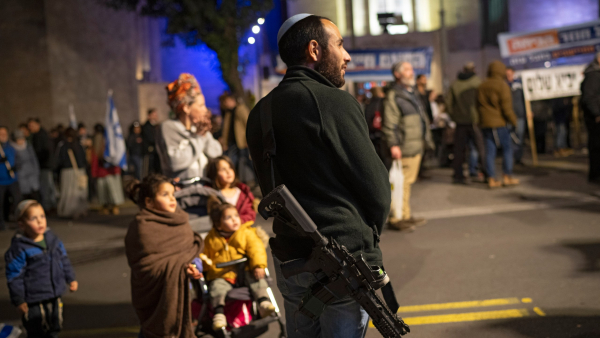
"The rest of our captives must be returned from Gaza in one batch, and we will not allow Netanyahu to sacrifice them," the families declared in a joint statement on Saturday.
They also urged Donald Trump, president of the United States, the regime’s biggest and most supportive ally, to intervene, while reiterating, "Netanyahu is ruining the deal for political reasons, and we will not allow him to do so."
Outrage over the handling of the issue has intensified among the regime’s illegal settlers, especially among the captives’ next of kin, with thousands of the settlers taking to the streets in protest on the same day.
According to the regime’s Channel 12, massive demonstrations erupted outside the regime’s ministry for military affairs in the city of Tel Aviv, where the demonstrators demanded a comprehensive exchange process with Hamas that ensures the release of all of the captives.
"Netanyahu tried to undermine the agreement this week and chose to bury the rest of our captives in [Hamas’] tunnels," the statement by the families added.
They were apparently referring to the Israeli premier’s asking Hamas to extend the initial phase of the ceasefire, a proposal that the resistance movement roundly rejected as "unacceptable."
Delivering the rejection, Hamas’ spokesman Hazem Qassem, meanwhile, condemned Tel Aviv for evading its commitment to a full withdrawal from Gaza and a permanent cessation of the regime’s aggression against the coastal sliver, while constantly trying to up the ante.
Now, the remaining captives’ families fear that Netanyahu’s political maneuvering could derail further negotiations, leaving the captives in indefinite captivity, despite underway efforts by mediators to push for a resolution.
Press TV’s website
The virtues of the blessed month of Ramadan
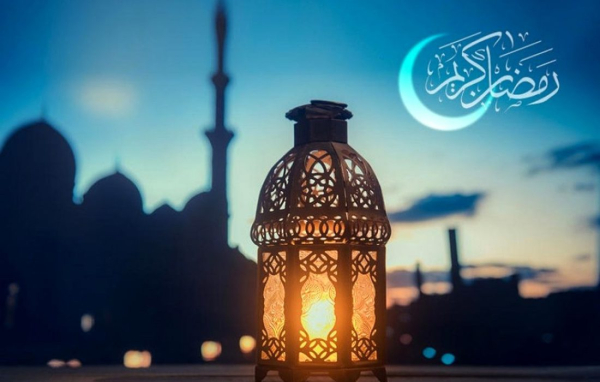
The month of Ramadan is the ninth month of the lunar calendar and the best of months in the sight of Allah; its days are the best of days, its nights are the best of nights, and its hours are the best of hours. This month is very virtuous and is different from all other months.
The Prophet, peace and blessings of Allah be upon him, said:
شَهرُ رَمَضانَ شَهرُ اللّه عَزَّوَجَلَّ وَ هُوَ شَهرٌ یُضاعِفُ اللّهُ فیهِ الحَسَناتِ وَ یَمحو فیهِ السَّیِّئاتِ وَ هُوَ شَهرُ البَرَكَةِ؛
The month of Ramadan is the month of God, and it is the month in which God increases good deeds and purifies sins, and it is a blessed month. (Bihar al-Anwar, vol. 96, p. 340, h. 5)
The advice of the Holy Prophet (peace and blessings of Allah be upon him) to the nation is to make more efforts in this month.
The Holy Prophet (peace and blessings of Allah be upon him) said:
مَنْ صامَ شَهْرَ رَمَضانَ فَاجْتَنَبَ فیه الْحَرامَ وَالْبُهْتانَ رَضِىَ اللَّهُ عَنْهُ وَاَوْجَبَ لَهُ الْجِنانَ.
Whoever fasts during the month of Ramadan and abstains from forbidden acts and slander, God will be pleased with him and will make Paradise obligatory for him.
Characteristics of the Prophet in verse 159 of Surah Al-Imran
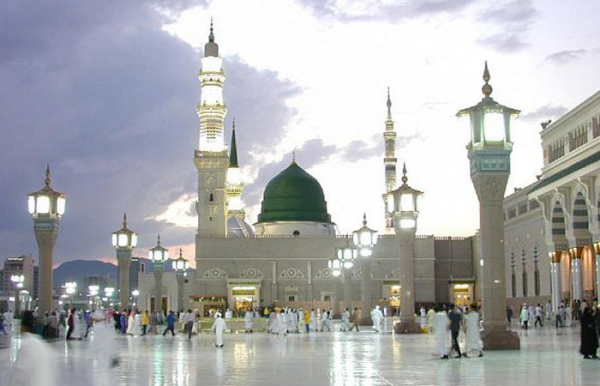
Allah says:
«فَبِمَا رَحْمَةٍ مِّنَ اللّهِ لِنتَ لَهُمْ وَ لَوْ کُنتَ فَظّاً غَلِیظَ الْقَلْبِ لاَنفَضُّواْ مِنْ حَوْلِکَ فَاعْفُ عَنْهُمْ وَ اسْتَغْفِرْ لَهُمْ وَ شَاوِرْهُمْ فِی الأَمْرِ فَإِذَا عَزَمْتَ فَتَوَکَّلْ عَلَی اللّهِ إِنَّ اللّهَ یُحِبُّ الْمُتَوَکِّلِینَ»؛[1]
It is by Allah’s mercy that you are gentle to them; had you been harsh and hardhearted, they would have surely scattered from around you. So excuse them and plead for forgiveness for them, and consult them in the affairs, and once you are resolved, put your trust in Allah. Indeed Allah loves those who trust in Him.
The Merciful God has introduced the Prophet (peace and blessings of Allah be upon him) in various places in the Holy Quran and in different ways. One of them is the introduction of the Prophet in this verse.
Although these attributes are not directly stated in this verse, these characteristics can be inferred:
1. Mercy and Kindness
The Merciful God praises His Prophet in the Holy Quran as follows: “And We have not sent you except as a mercy to the worlds.”[2] The verse in question considers the mercy and kindness that God has given to the Prophet as the reason for such attributes as gentleness and tenderness of heart.[3]
2. Gentleness and Tenderness of Heart
The Holy Quran considers the Prophet's gentleness to be the result of the Prophet's mercy, kindness, and great morals, and says: "And indeed, you have for me a great character." [4] The Prophet's gentleness was a prelude to attracting as many people as possible to religion and Islam; therefore, it can be said that the Prophet's second characteristic is gentleness.
Three. Forgiveness
The merciful God recommends the Prophet to be forgiving and forgiving, because many people unintentionally and unknowingly fall into disobedience and sin. [5] And since the Prophet is obedient to God's command, he undoubtedly developed this characteristic in himself.
Four. Seeking forgiveness from sinners
The Prophet's mercy and kindness was to the extent that, in addition to forgiving the sins of others, he would seek forgiveness from the merciful God for them, because God's command is for him, and the Prophet also acts based on divine revelation. [6]
Five. Consulting and sharing ideas with others
The Prophet (peace be upon him and his family) did not need to consult with others due to his infallibility and the knowledge that God had given him; however, this consultation sometimes took place out of respect and sometimes to raise the level of awareness of the people.
Six. Firmness in making decisions with trust
Although the Prophet (peace be upon him and his family) consulted with the people; however, the merciful God has entrusted the final decision to His Prophet; because at the end of the verse, He said to the Prophet: “When you have made a firm decision, do it with trust in God.” Therefore, trust in making decisions was also one of the characteristics of the Prophet (peace be upon him and his family).
These characteristics are a drop of the infinite characteristics of the Prophet of Mercy (peace be upon him and his family), and it is worthy for every Muslim to follow the Prophet in these characteristics.
Footnote:
[1]. Al-Imran: 159.
[2]. Prophets: 107.
[3]. Sadeghi Tehrani, Muhammad, Al-Furqan fi Tafsir Al-Quran, Farhang Islaami, vol. 6, p. 58 and Samarqandi, Nasr ibn Muhammad, Bahr al-Uloom, Dar al-Fikr, vol. 1, p. 260.
[4]. Qalam: 4.
[5]. Al-A'raf: 199.
[6]. Najm: 3 and 4.
Hamas rejects Israel’s proposal to extend phase one of Gaza ceasefire
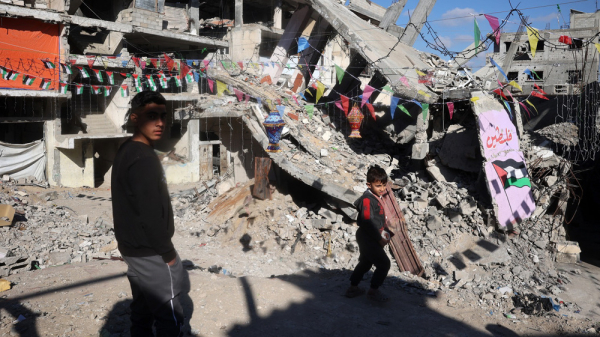
The Palestinian resistance movement Hamas has rejected Israel’s proposal to extend the first phase of the ceasefire in Gaza, calling on the international community to pressure the occupying regime to proceed to the second phase of the deal as originally planned.
Hamas spokesman Hazem Qassem made the remarks in an interview with Al Araby television on Saturday, on the day the first stage of the deal was set to expire.
"Extending the first phase of the deal in the form proposed by Israel is unacceptable” to the resistance group, he said, adding that the occupying regime bears full responsibility for the failure to begin negotiations on the second phase of the Gaza ceasefire.
Qassem also noted that Israel’s talk of extending the first phase aims to recover the remaining captives while potentially resuming the war on Gaza.
He went on to say that the Israeli regime is evading its commitment to ending the war and fully withdrawing from Gaza, adding that it “is trying to reset matters to square one by shuffling the cards with its proposal to extend the first phase.”
Qassem further said there are no current talks for a second ceasefire phase in Gaza with the Hamas, stressing that talks must begin on the next phase aimed at securing a permanent truce.
He also urged mediators and guarantor states to compel the Israeli regime to adhere to the agreement in all its stages and immediately enter the second phase of it without any hesitation.
Qassem’s remarks came a day after Hamas expressed its "full commitment" to the Gaza ceasefire deal, emphasizing that negotiations are the only way to secure the release of the remaining Israeli captives.
On Thursday, the Israeli foreign minister said, “We said we are ready to extend the framework [of phase one] in return for the release of more hostages. If it is possible, we’ll do that.”
Israel launched a genocidal war on the Gaza Strip on October 7, 2023, after Hamas carried out a historic operation against the usurping entity in retaliation for its intensified atrocities against the Palestinian people.
The Tel Aviv regime failed to achieve its declared objectives of freeing captives and eliminating Hamas despite killing at least 48,348 Palestinians, mostly women and children, in Gaza.
Israel accepted Hamas’ longstanding negotiation terms under the Gaza truce, which began on January 19.
Under the terms of the three-phase ceasefire agreement between Hamas and Israel, the two sides were planned to hold indirect talks to hammer out the details of further exchanges.
It was planned that during negotiations on the second phase a permanent ceasefire would be established and Israeli forces would make a complete withdrawal as the remaining captives are freed.
Israel’s prime minister Benjamin Netanyahu, however, has said that the existing deal is for a temporary ceasefire and that the regime’s military has reserved “the right to return to fighting” at a future date.
Press TV’s website
Rubio uses emergency authority to fast-track $4 billion military aid for Israel
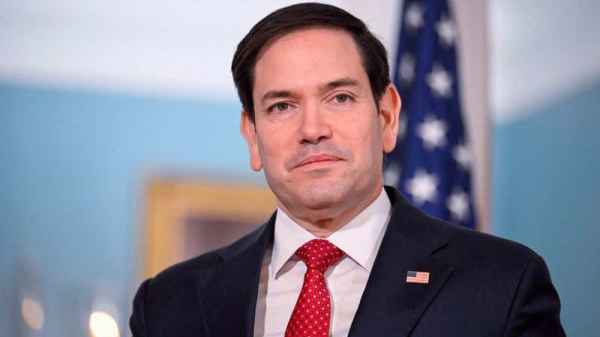
US Secretary of State Marco Rubio says he had used his emergency authority to expedite the delivery of approximately $4 billion in military assistance to Israel, amid a tense ceasefire between the regime and Hamas in Gaza, where over 48,000 Palestinians have been killed.
Rubio said on Saturday he made this decision in order to reverse the Biden Administration’s partial arms embargo that “wrongly withheld a number of weapons and ammunition from Israel.”
The declaration is “a yet another sign that Israel has no greater ally in the White House than President Trump,” he said.
Since taking office on January 20, the Donald Trump Administration has approved nearly $12 billion in major foreign military sales to Israel.
This decision coincided with Trump’s repeal of a Joe Biden-era National Security Memorandum 20 (NSM-20).
The memorandum required the US government to produce reports for Congress on the use of US arms by other countries, including the Israeli regime.
After returning to office, Trump signed an executive order that called for a review of all national security memoranda issued under Biden.
Also on Friday, the Pentagon said that the State Department had approved the potential sale of nearly $3 billion worth of bombs, demolition kits, and other weaponry to Israel.
The administration notified Congress of those prospective weapons sales on an emergency basis, sidestepping a long-standing practice of giving the chairs and ranking members of the House Foreign Affairs and Senate Foreign Relations Committees the opportunity to review the sale and ask for more information before making a formal notification to Congress.
This marks the second time in recent weeks that the Trump administration has invoked emergency authority to expedite weapons sales to Israel.
The Biden administration has previously used emergency authority for the same purpose, sidestepping traditional review processes.
The decision to expedite weapons sales to Israel raises concerns about the use of these arms against the civilian population of Gaza.
For 15 months prior to the January 15 ceasefire agreement with Hamas, the Israeli military employed US-supplied weaponry in relentless attacks on Gaza, causing significant civilian casualties and widespread destruction.
Press TV’s website
Neighbors have ‘special place’ in Iran’s foreign policy: Deputy FM
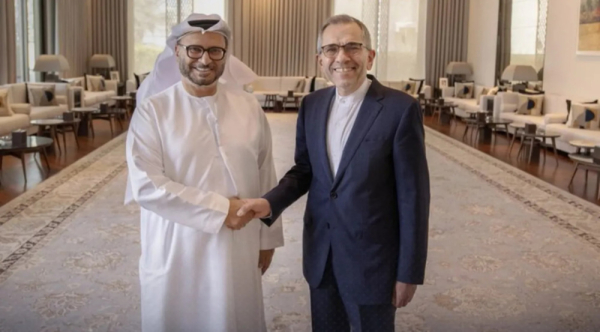
Iran’s deputy foreign minister has highlighted the “special place” that neighbors have in the country’s foreign policy, calling for friendship and cooperation between regional countries.
“Neighbors have a special place in our foreign policy. Through friendship and cooperation, we can build a better and more prosperous future for our region,” Majid Takht-Ravanchi said in an X post on Sunday.
He made the remarks after wrapping up a visit to Abu Dhabi, where he held talks with Emirati officials as part of the first round of Iran-UAE political consultations.
Takht-Ravanchi said that during his meetings with UAE Assistant Minister for Political Affairs, Lana Nusseibeh, Minister of State for Foreign Affairs Khalifa Shaheen, and Anwar Gargash, diplomatic adviser to the Emirati president, both sides “indicated their eagerness to expand relations, particularly in the economic field.”
The UAE is Iran’s second-largest trade partner. In May 2024, the two countries signed a memorandum of understanding (MOU) for expanding economic cooperation in different sectors.
During his meeting with Gargash, Takht-Ravanchi expressed the Islamic Republic’s readiness to enhance ties with the UAE based on mutual interests.
He also underscored the importance of Iran-UAE political consultations and hoped that the regular convening of such discussions would speed up the implementation of bilateral agreements.
He further addressed Israel’s destabilizing actions in the region, calling for unity among Muslim nations in response to the regime’s provocations.
Press TV’s website
Skipping congress, Trump approves $3b in arms sales to Israel
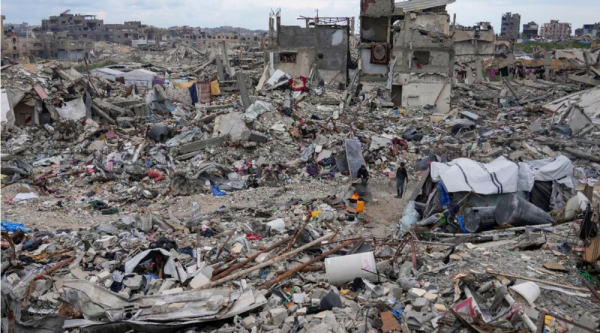
The Trump administration has given the go-ahead for a nearly $3 billion arms sale to Israel, sidestepping the standard congressional review process to expedite the delivery of 2,000-pound bombs widely used by the Israeli military in its ongoing onslaught in the Gaza Strip.
In a series of notifications sent to Congress on Friday, the State Department has reported it has approved the sale of more than 35,500 MK 84 and BLU-117 bombs and 4,000 Predator warheads worth $2.04 billion to Israel.
Secretary of State Marco Rubio “has determined and provided detailed justification that an emergency exists that requires the immediate sale to the Government of Israel of the above defense articles and defense services in the national security interests of the United States, thereby waiving the Congressional review requirements,” the department said.
Deliveries are set to begin next year, it said.
According to the same statement, Rubio has also approved another munitions sale to Israel worth $675.7 million to be delivered starting in 2028.
The Israeli regime has extensively used the MK 84, also known as the 2,000-pound bomb, in its genocidal wars against the people of Lebanon and Palestine, including the assassination of top Hamas and Hezbollah leaders.
Last May, the previous US administration attempted to curb Israel’s military aggression in Rafah, a city in southern Gaza, by imposing a temporary ban on the sale of 2,000-pound bombs.
This effort, however, proved futile in halting the invasion, as the US continued to supply other weapons to the Israeli regime.
On February 25, Trump’s National Security Adviser, Michael Waltz, rescinded the ban to allow the State Department to resume the sale of the bombs to the regime.
Ramy Abdu, founder and chairman of the Euro-Mediterranean human rights monitor, in a post on X, formerly Twitter, expressed anger over the use of American weapons and policies in acts of violence and oppression against Palestinians.
“We are being killed with American weapons. Genocide is being committed against us with American weapons. We are being starved by American decisions. Our children are being burned with American weapons. We will never forget. We will never forgive,” he wrote.
State Department has also approved the sale of Caterpillar D9 Bulldozers and related equipment for an estimated cost of $295 million to Israel.
The Israeli regime has used D9 bulldozers to demolish thousands of Palestinian homes in the occupied West Bank and Gaza.
D9 has been involved in several incidents of civilian deaths, including in 2023 when it was used against the refugees sheltering outside the Kamal Adwan Hospital.
The Office of the UN High Commissioner on Human Rights has advised Caterpillar Inc. that by supplying the bulldozers to the regime, it is complicit in human rights violations.
Press TV’s website