zarezadeh
FM says Iran's policy rests in continued resistance, rules out negotiations
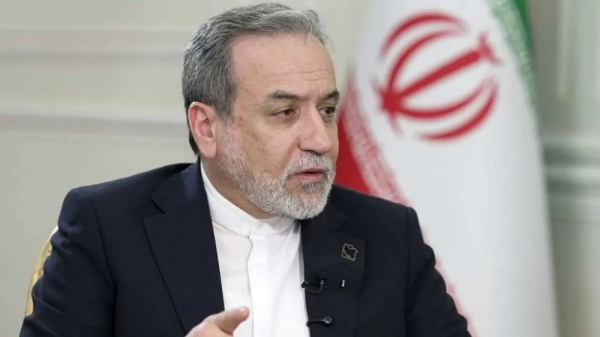
Foreign Minister Abbas Araghchi says Iran's current policy is to continue resistance in the face of ongoing unprovoked American-Israeli aggression, while ruling out negotiations and ceasefire in the absence of required guarantees.
"At present, our policy is to continue resistance, and no negotiations have taken place," the top diplomat said in a televised interview on Wednesday.
"There are no negotiations underway," he reiterated elsewhere in his remarks, besides questioning the reliability of outside assurances.
Regional diplomatic contacts have taken place, but Tehran’s position has not changed, the official stated.
“Many foreign ministers from the region have contacted Tehran, but Iran’s position has remained ‘principled and firm.’"
'Iran dismisses intl. guarantees in favor of inherent guarantee created by reprisal'
"International guarantees are not 100 percent reliable," Araghchi stated in reference to reported efforts by some third countries to act as intermediaries towards ending the unlawful aggression that has prompted decisive retaliation on the part of the Islamic Republic.
"Through the inherent guarantee that we created ourselves, no one will dare again to go to war with the Iranian people,” the official added, pointing to the Iranian reprisal that has seen the country's Armed Forces launch at least 81 waves of unrelenting counterstrikes against sensitive and strategic American and Israeli targets throughout the region.
Iran rejects US proposal, lays out five conditions for ending imposed war: Source to Press TV
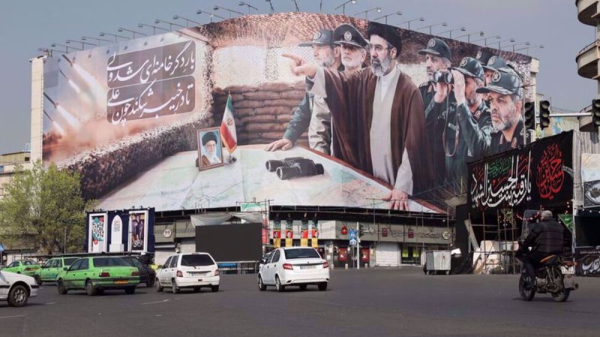
Iran has responded negatively to an American proposal aimed at ending the ongoing imposed war, insisting that it will only occur on Tehran's own terms and timeline, a senior political-security official told Press TV on Wednesday.
The official with knowledge of the details of the proposal, speaking exclusively to Press TV, said Iran will not allow US President Donald Trump to dictate the timing of the war's end.
"Iran will end the war when it decides to do so and when its own conditions are met," the official said, emphasizing Tehran's resolve to continue its defense and inflict "heavy blows" on the enemy until its demands are fulfilled.
According to the official, Washington has been pursuing negotiations through various diplomatic channels, putting forward proposals that Tehran views as "excessive" and disconnected from the reality of America's failure on the battlefield.
The official drew parallels with two previous rounds of negotiations held in the spring and winter of 2025, characterising them as deceptive.
In both instances, the official stressed, the United States had no genuine intention to engage in meaningful dialogue and subsequently carried out military aggression against Iran.
Tehran has therefore categorized the latest overture, which was delivered via a friendly regional intermediary, as a ploy to heighten tensions and has responded negatively.
The official outlined five specific conditions under which Iran would agree to end the war. These include:
A complete halt to "aggression and assassinations" by the enemy.
The establishment of concrete mechanisms to ensure that the war is not reimposed on the Islamic Republic.
Guaranteed and clearly defined payment of war damages and reparations.
The end of the war across all fronts and for all resistance groups involved throughout the region
Iran's exercise of sovereignty over the Strait of Hormuz is and will remain Iran's natural and legal right, and it constitutes a guarantee for the implementation of the other party's commitments, and must be recognized.
The official further noted that these stipulations are in addition to demands previously presented by Tehran during the second round of negotiations in Geneva, which took place just days before the US and Israel carried out a fresh round of aggression on February 28.
Strange confession of Brzezinski, former National Security Advisor of the United States of America
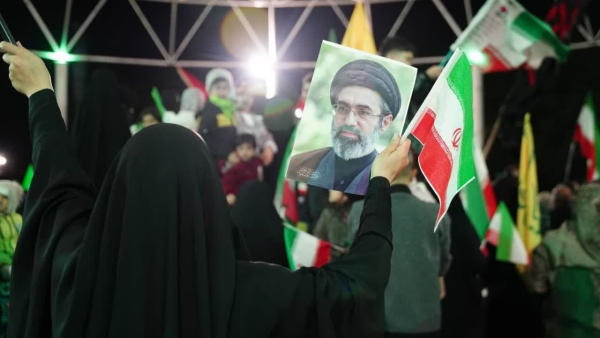
Today, the leaders of the world's superpowers must make an appointment with Iranian officials to protect their security.
As I have repeatedly stated, a country that has been under the most severe pressures and sanctions is now ranked 17th in the world economy despite all these problems.
It has developed nuclear science, is among the vanguard of the world in fundamental cells, and has the fifth largest army and armed forces in the world.
The Middle East is completely under their influence and control, and I firmly believe that this country, with these capacities and indigenous power, will revive the great Iranian Islamic civilization desired by Ayatollah Khomeini in the not too distant future.
British Defense Analyst: US War in Iran Unwinnable
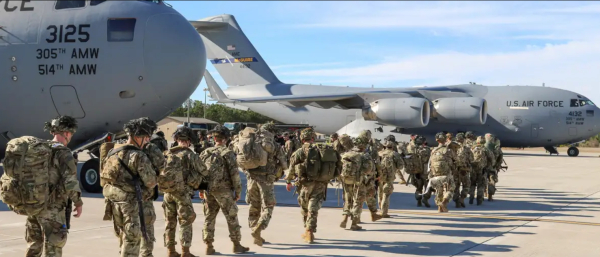
The US will emerge from this war with a massive strategic defeat, failing to change the regime or destroy the nuclear program.
The British military wants absolutely no part in this disaster.
An Israeli Citizen's Opinion on War
I'm in Israel. I haven't slept for two days. Do you know why? Because our corrupt Prime Minister just wants to stay in power. He just wants to stay Prime Minister and not go to prison. He will even start a world war if necessary.
He doesn't care about Israelis, Israeli women, or even Iranian women
Financial Times: Iran war will leave lasting scars on global economy
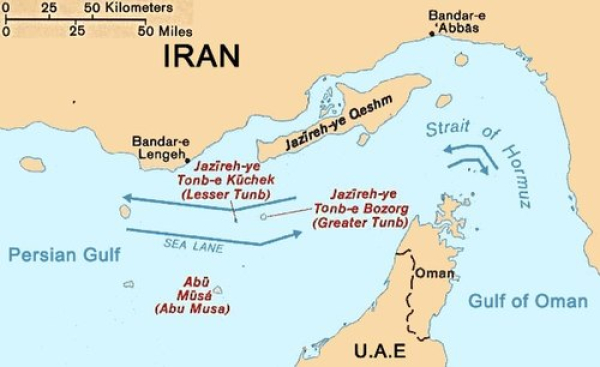
The longer the war drags on, the worse the shortages, price spikes and supply chain disruptions will become.
Even if the war ends sooner than expected, doubts and questions about the security of the waterway will remain.
Iran and its backers could use Hormuz as a weapon again whenever tensions with the US and Israel return.
Trade, shipping and investment in the Gulf will never be the same again.
New York Times: Israel's plan to overthrow the Iranian government has failed
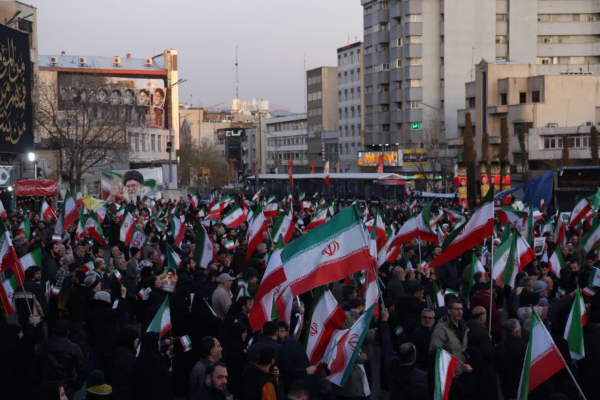
The New York Times reported that the US and Israeli strategy was to ignite a nationwide uprising in Iran and overthrow the government with their attacks, but this strategy has failed.
Informed sources have confirmed that, contrary to the expectations of the planners of these attacks, not only did the predicted wave of popular unrest not occur, but US intelligence officials had serious doubts from the very beginning about the success of this approach.
According to this report, alternative options, including the use of Kurdish forces, have also been removed from the agenda and are no longer being pursued.
Currently, the final assessment of intelligence agencies and analysts of regional issues indicates that the most likely scenario ahead is the survival of the current regime in Iran and its continued political life.
Senate Democratic Leader: Trump is a real idiot
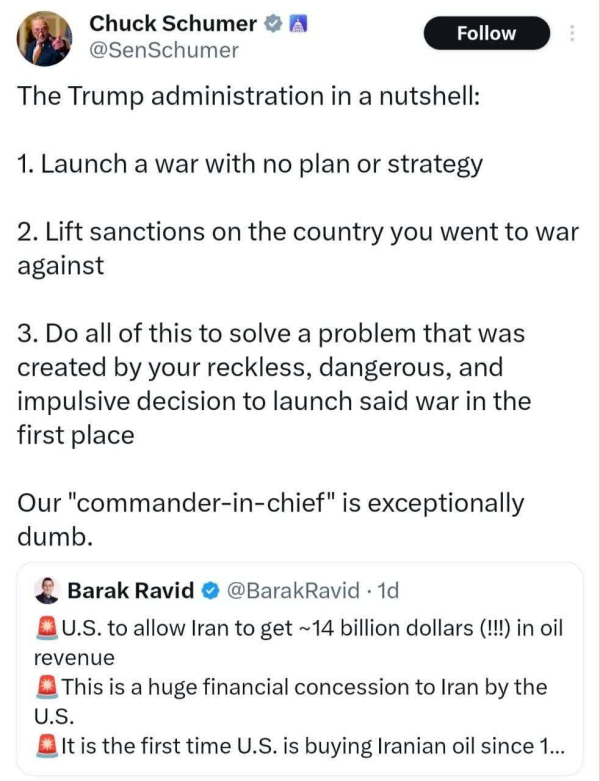
Chuck Schumer wrote on his page:
A summary of the Trump administration's performance:
1. Launching a war without a plan or strategy.
2. Lifting sanctions on the country you are at war with.
3. Doing all of this to solve a problem that was created in the first place by your own reckless and dangerous decision to start that same war.
Our commander-in-chief is exceptionally stupid.
New developments regarding the Strait of Hormuz
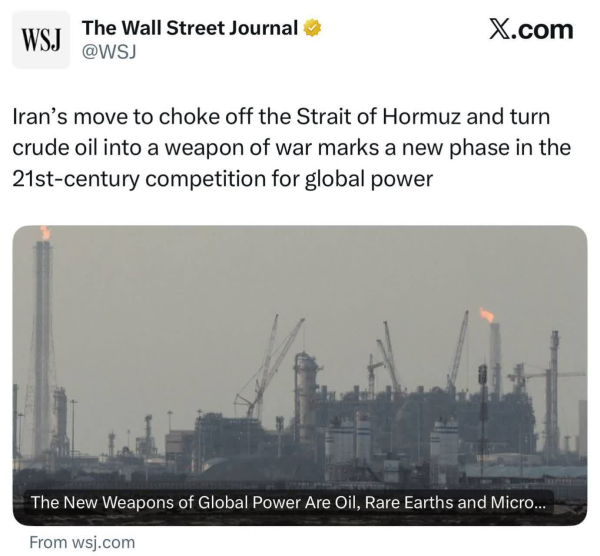
Wall Street Journal: Iran’s move to close the Strait of Hormuz and turn crude oil into a weapon of war marks a new phase in the competition for global power in the 21st century.
Why is the idea of “guaranteeing non-aggression” meaningless?
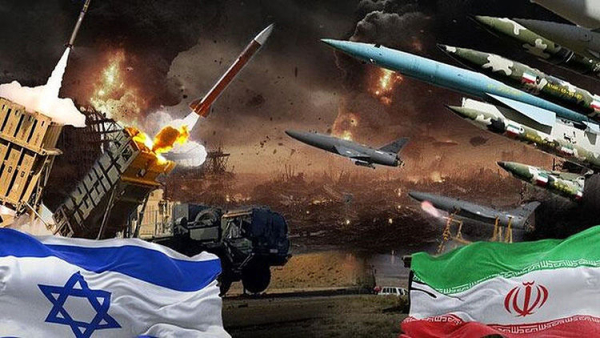
Why is the idea of “guaranteeing non-aggression” meaningless?
In the midst of the direct confrontation between the United States and the Zionist regime with Iran, some political activists have proposed the idea of “obtaining a guarantee of non-aggression.” This idea, more than being a considered strategy, is a reflection of an inaccurate understanding of the logic governing international politics. In the international system, commitments are not based on legal or moral will, but on the balance of power. Any agreement is valid only as long as the balance of power supports it; with a change in this balance, commitments also practically lose their function. Therefore, wars are essentially a means of redefining the balance of power, and it is the victorious side that ultimately determines not only the outcome of the battlefield, but also the rules of order that follow.
Washington and Tel Aviv entered this confrontation with the assumption that the space was fully prepared for the Iranian people to revolt against the government and change the political system. Why, their economic influencers had prepared the ground for public discontent and social revolt by increasing the price of currency and energy, and the disaster of January made the enemy greedy (we will discuss the role of economic influencers in the martyrdom of our beloved leader in detail at the appropriate time). Therefore, they implemented the policy of decapitation and assassination of political and military officials with the aim of creating a vacuum at the top of the government.
However, the exemplary insight of the people and their unprecedented presence in the streets in support of the regime did not allow the nuclei of chaos to become active, and the project was nipped in the bud. The courage and wisdom of the nation's experts in appointing the new Supreme Leader disappointed the enemy on another level.
In the current situation, the United States has neither defined achievable operational goals with clarity, nor does it have a reliable "image of victory," nor an exit strategy that can justify the costs of this conflict. This situation is a sign of disruption at the strategic level of the other side.
In contrast, Iran has managed to shift the logic of the confrontation from the level of direct military conflict to a broader and more complex level; a level in which the costs for the other side increase exponentially and the hardware superiority is not the only determining factor in this war. Iran’s superiority is not unidimensional, but rather the result of the synergy of several key components: social cohesion and the effective presence of the people as a strategic support, the rapid consolidation of the leadership structure and the continuation of the decision-making capacity, the continuation of targeted strikes on the enemy’s vital interests and infrastructure, and the use of energy and global trade bottlenecks as leverage. This shift in the level of play has significantly changed the equation of war.
In such a framework, raising issues such as a “ceasefire” or obtaining “guarantees” before establishing superiority not only lacks real support, but can also lead to a standstill at a point that has not yet led to a lasting change in the balance of power. The experience of the ceasefire after the 12-day war shows that in the absence of imposing decisive costs and a tangible change in the balance, any commitment by the other side will be tactical and temporary in nature and can be quickly violated. Perhaps if Iran had not accepted the ceasefire at the end of the 12-day war and had defined and offensive the battlefront in the same dimensions as it is now, many things would not have happened.
The strategic logic of the current situation requires that Iran’s goals be defined explicitly and at a level that targets the roots of the reproduction of the threat. In this framework, the end of the US military presence in the region can be proposed as a central goal; because the continuation of this presence provides a structural basis for the continuation of insecurity and intervention. The US withdrawal from the region is not simply a political demand, but a prerequisite for the formation of a new order in the Middle East; an order in which the rules of the game will be written by the new hegemon of the region (i.e. Iran) and its allies.
Accordingly, the main issue is not simply the end of an ongoing conflict, but rather the determination of the shape and rules of the order that follows. Any haste in accepting arrangements that lack support in the balance of power could lead to the reproduction of the threat cycle in the future. In contrast, consolidating superiority and defining strategic goals at a structural level will allow the formation of a more stable order based on the new realities of power.
Seyyed Yasser Jabraili