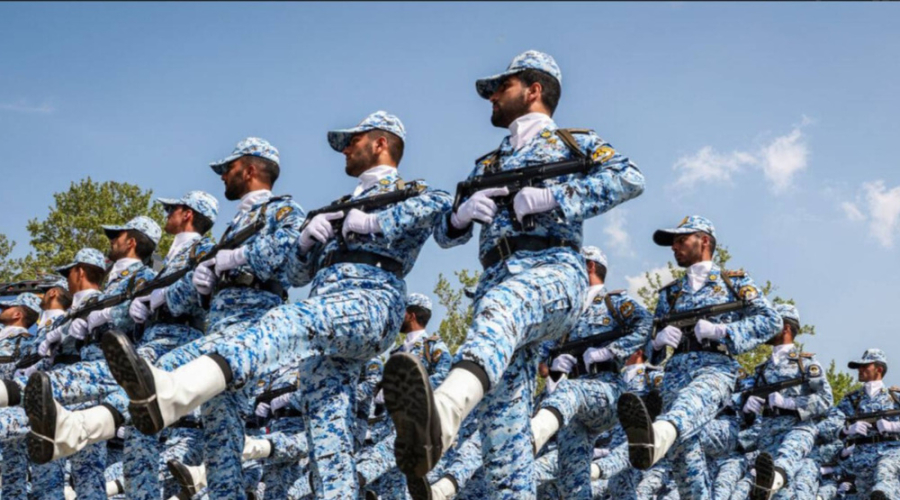
In a series of messages released on Saturday, several high-ranking Iranian officials congratulated Iran’s Army commanders and personnel on Army Day.
Speaker of Iran’s Parliament Mohhamed Baqer Qalibaf thanked the army’s personnel for their sacrifices during the recent US-Israeli aggression, saying: “The army is the symbol of Iran’s power and security.”
“The army, its personnel and commanders have shown their full commitment to the protection of Iran and its people, whether during war or natural disasters.”
Iran’s Judiciary Chief Gholam-Hossein Mohseni-Eje'i also congratulated army personnel and the people of Iran on the occasion of the Army Day.
“The army, from the very first days of the [Islamic] Revolution, has stood in front of this country’s enemies, from bloodthirsty Saddam Hussein to genocidal US and Israel, like a strong mountain.”
He also congratulated the families of the Army’s personnel and emphasized their complete allegiance to the Leader of the Islamic Republic Seyyed Mojtaba Hosseini Khamenei.
Foreign Minister Abbas Araghchi felicitated the day, stating, “During these difficult days, it was the commendable role of the armed forces which defended the country from the nefarious plans of the enemy.”
The peace, security, and prosperity of the country are the direct result of the sacrifices of Iran’s army, he added.
In a post on X, the spokesperson for the Ministry of Foreign Affairs Esmaeil Baqaei commemorated the memory of Dena Destroyer personnel who were martyred “by the oppressive US regime in international waters.”
He furthermore congratulated the commanders and personnel of Iran’s army, and commended their sacrifice for keeping Iran secure and safe in the face of the US-Israeli aggression.
On February 28, the US and Israel initiated a large-scale, illegal, and unprovoked war on Iran, assassinating the Leader of the Islamic Revolution Ayatollah Seyyed Ali Khamenei and several high-ranking military commanders.
They also killed hundreds of Iranian civilians in airstrikes on the country.
Notable among the victims are the more than 160 school children of the southern city of Minab.
In response, Iranian armed forces conducted 100 waves of decisive missile and drone operations against US and Israeli military assets across the region for over 40 days.
A two-week ceasefire was brokered on April 8, followed by negotiations in the Pakistani capital, Islamabad, where Iran proposed a 10-point plan to permanently end the war.
Despite 21 hours of intensive discussions, the negotiations ended without an agreement, with Iran citing “excessive demands” from the US side.
Press TV’s website