zarezadeh
The virtues of Imam Hassan Mujtaba (AS)
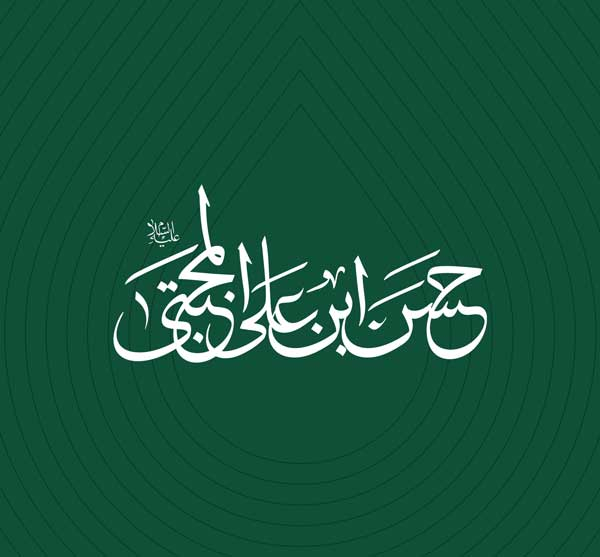
The virtues of Imam Hassan Mujtaba (AS)
Research on the lives of the Infallibles (AS) is necessary because the boundless ocean of their virtues and teachings is the most suitable model for everyone, especially Muslims. Likewise, the exaltation of the spiritual personality of man has been one of the highest and most sacred goals of religious leaders. "Exemplary and heroic" is institutionalized in man and all people are always looking for symbols. The Imams (AS), enduring many hardships on this path, put all their efforts into teaching good morals to man through their ways of behavior and speech, and keeping him away from ugliness and making him realize the sublime truth of humanity and its great value. Undoubtedly, divine leaders and Imams, as the embodiment of all goodness, are successful heroes for how to be, how to live and how to die. All dimensions of the personality of the Infallibles (AS) are worthy of research; hence, thinkers, elites and theorists mostly analyze their characteristics. In the meantime, the prominent role of Imam Mujtaba (AS) stands out very much. Therefore, with a brief reflection on his ethics and virtues, we open a window to the boundless moral virtues of that Imam of Hammam.
Life of Imam Mujtaba (AS)
There is a slight difference in the date of birth of Imam Mujtaba (AS). According to a well-known saying, he was born on the 15th of the blessed month of Ramadan in the third year of the Hijri, in the city of Medina. His esteemed father was Imam Ali bin Abi Talib (AS) and his esteemed mother was Hazrat Fatima Zahra (AS). Imam Hassan (AS) did not realize the existence of his great grandfather for more than a few years because he was barely seven years old when the Prophet of Islam (PBUH) passed away.
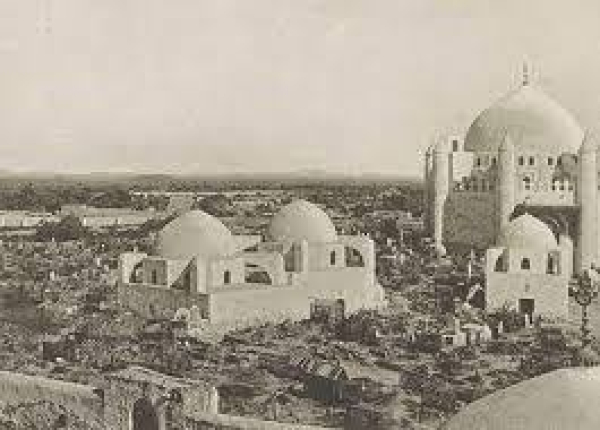
After the death of the Prophet (PBUH), he remained with his father, the Commander of the Faithful (PBUH), for almost thirty years. After the martyrdom of Imam Ali (PBUH) (40 AH), he assumed the leadership of the nation for ten years. In 50 AH, he was martyred by poisoning at the age of 48 due to a conspiracy by Muawiyah and was buried in the Baqi Cemetery in Medina.
Pure Originality
One of the most important virtues of that pious Imam was that his father, Ali Murtaza, was the second most prominent figure in the Islamic world, and his mother, Fatima Zahra, was the first exemplary lady of Islam and her noble granddaughter, the last messenger of the One God. His devoted grandmother was the first Muslim lady, Hazrat Khadija bint Khuwaylid; a lady who was the companion and comforter of the Prophet's difficult days until the end of her life, and by donating her wealth, she further accelerated the progress and movement of the nascent religion of Islam.
Quranic Verses
One of the most prominent virtues of Imam Mujtaba (AS) is that he was among the companions of the Kasa and the Aale Abaa and from the Ahlul Bayt of the Prophet (PBUH); the Ahlul Bayt about whom many verses were revealed, including the verse of purification.
Umar bin Abi Salamah (son of the wife of the Prophet of God) says:
The Prophet (PBUH) was present in the house of Umm Salamah when this verse was revealed:
(انّما یریدُ اللّه لیذهب عنکم الرّجس اهل البیت و یطهّرکم تطهیراً)؛
God has willed to remove impurity from you, the Ahlul Bayt, and to purify you.[1] At this time, the Prophet called his daughter Fatima and his sons Hassan and Hussein, threw a cloak over their heads, and while Ali (a.s.) was standing behind them, he said:
«اللّهمّ هؤُلاء اهلُ بیتی فَاذْهَبْ عَنهُمُ الرّجسَ و طَهِّرْهُم تَطهیراً»؛
O Lord! These are my Ahlul Bayt, so remove all impurity from them and purify them.”
The presence of Imam Mujtaba (a.s.) during the “Mubahila” is also a sign of the trust and importance that the Messenger of God (pbuh) attached to him. His presence in the “Bay’at of Ridwan” and the Prophet’s (pbuh) pledge of allegiance to him shows the high status of that Imam Hammam.[2]
Prophetic Traditions
Regarding the family lineage and upbringing of the Alawi and Fatimids, the Prophet (PBUH) praised Imam Mujtaba (AS) and his noble brother with the following statements:
"These (Hasan and Husayn) are the fragrant flowers of my nation."[3]
And those two are the leaders of the youth of Paradise.[4]
In the book of Isti’ab, it is narrated in various ways from the Holy Prophet (PBUH) that he said about the Hasanayn:
O Allah, I love these two, so love them and everyone who loves them.[5]
And about Imam Mujtaba (AS), he said:
If reason were embodied in the form of a man, it would indeed be beautiful.”[6]
Sources
The Holy Quran.
1. Ibn Athir, Izz al-Din, Asad al-Ghabah fi Ma’rifat al-Sahaba, Beirut: Darahiya al-Turat al-Arabi Publications, 1393 AH.
2. Isfahani, Imad al-Din Hussein, Life of Imam Hassan Mujtaba (AS), Tehran: Muhammad Publications, bi-ta.
3. Amin, Seyyed Mohsen, Imam Hassan (AS) and Imam Hussein (AS) (Shiite Nobles), first edition, translator, Research and Writing Department, Bija, Publications of the Joint Stock Printing Company (Ministry of Islamic Guidance), 1982.
4. Behbahani, Mohammad Baqir, Karim Ahl al-Bayt (AS), translator, Ebrahim Soltani Nasab, proofreader, Mohammad Ali Hosseinzadeh, first edition, Tehran: Siyam Publications, 1981.
Pishvai, Mahdi, Seerah of the Leaders, second edition, Qom: Imam Research and Educational Institute Publications, 1995.
5. Jafarian, Rasool, Intellectual and Political Life of the Shiite Imams (AS), first edition, Qom: Ansarian Publications affiliated with the World Center for Islamic Sciences, 1997.
6. Dashti, Mohammad, Dictionary of the Speeches of Imam Hassan Mujtaba (AS), first edition, Qom: Amir al-Momenin Publications, 1990.
. Rashidi, Hossein, Life of Imam Hassan Mujtaba (AS) (Stories and instructive hadiths from the noble Ahl al-Bayt (AS), first edition, Qom: Bayan al-Haq Publications. 1389.
8. Sharif Qurashi, Baqir, Life of Imam Hassan ibn Ali (AS), first edition, Beirut: Dar al-Balagha Publications, 1413 AH.
9. Qadiani, Abbas, Life of the Four Infallibles, first edition, Qom: Fardabeh Publications, 1380.
10. Qomi, Abbas, The End of Hopes, first edition, Qom: Ansarian Publications, 1386.
11. Mazandarani, Muhammad ibn Ali ibn Shahrashob, Manaqib Al Abi Talib (AS), Qom: Allama Publications, 1379 AH.
12. Mutawasil, Ahmad, Miracles of Imam Hassan (AS) from Birth to Martyrdom, first edition, Qom: Dar al-Fikr Publications, 1386.
13. Majlisi, Mohammad Baqir, Bihar al-Anwar, Beirut: Al-Wafa Publications, 1403 AH.
14. Hadi Manesh, Abolfazl, Aftab Hassan, An analytical approach to the life of Imam Hassan Mujtaba (AS), second edition, Qom: Daftar al-Aql Publications, 1387.
Footnotes
[1] Surah Al-Ahzab, verse 33.
[2] Rasool Jafarian, The Intellectual and Political Life of the Shiite Imams, p. 120, first edition, Qom: Ansarian Publications, 1376.
[3] Seyyed Mohsen Amin, Ayan al-Shi'ah, translated by the Research and Writing Department, p. 34, first edition, Ministry of Guidance Joint Stock Company Publications, 1361.
[4] Ibid.
[5] Ayan al-Shi'ah, p. 36.
[6] Rasool Jafarian, ibid., p. 121.
Syria Security Council agrees to condemn massacre of Alawites in Syria
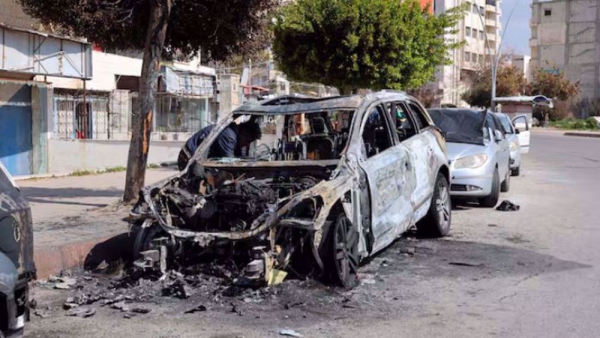
The United Nations Security Council has agreed to a statement condemning widespread violence in Syria and urging the country’s new administration to protect all ethnic and religious minorities, diplomats say.
The presidential statement, drafted by Russia and the US is due to be formally adopted on Friday, the diplomats said Thursday.
"The Security Council calls on the interim authorities to protect all Syrians, regardless of ethnicity or religion," reads the statement, seen by Reuters.
"Syria's interim authorities must hold the perpetrators of these mass killings accountable," it adds.
The statement comes after the 15-member UNSC met behind closed doors on Syria on Monday, as the UK-based Syrian Observatory for Human Rights said more than 1,300 people were killed in Syria’s coastal region.
According to the UN human rights office, entire families, including women and children, were killed in Tartus and Latakia, where members of former President Assad's minority Alawite sect lived.
Fighting between Hayat Tahrir al-Sham (HTS) militants and loyalists of the former government erupted on March 6, after earlier tensions escalated into reported mass killings.
The bloodshed began when militants attempted to detain an individual in Beit Ana village of the Jableh district in Latakia Governorate, but were ambushed by armed Bashar al-Assad supporters.
In response, the HTS administration launched violent crackdowns in Alawite strongholds in the western coastal region.
The council statement also "reaffirms its strong commitment to the sovereignty, independence, unity and territorial integrity of Syria and calls on all States to respect these principles and to refrain from any action or interference that may further destabilize Syria."
Following the downfall of Assad in December, the Israeli military has been launching airstrikes against military installations, facilities, and arsenals belonging to Syria’s now-defunct army.
The strikes were accompanied by ground incursions, as tanks and armored bulldozers penetrated Syrian territory, beyond the Golan Heights to Qatana, barely 30 kilometers from Damascus.
The UNSC statement also emphasizes the significance of countering terrorism in Syria and expresses "grave concern over the acute threat posed by foreign terrorist fighters," calling on Damascus to take "decisive measures to address the threat."
The Hayat Tahrir al-Sham militant group along with other militants seized control of Damascus on December 8, 2024, forcing Assad to leave the country.
Press TV’s website
US imposes new sanctions day after Trump's letter delivered to Iran
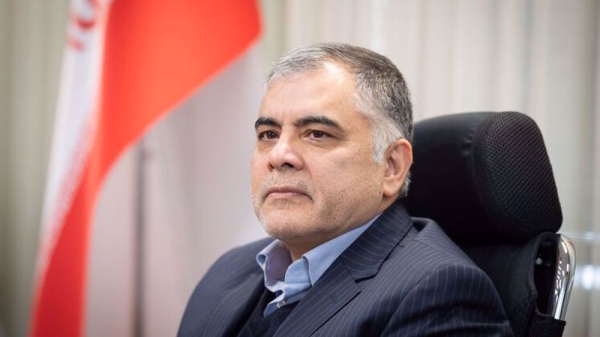
The US Treasury Department has issued sanctions against Iran’s Oil Minister Mohsen Paknejad, and some vessels that are part of a fleet involved in the Iranian crude oil exports after the Trump administration sent a letter to the country.
US Treasury Secretary Scott Bessent said in a statement Thursday that the sanctions designated Paknejad and three entities engaged in the Iranian oil trade in China, and named three shipping vessels as blocked property for their use in the transactions.
Paknejad “oversees the export of tens of billions of dollars’ worth of Iranian oil and has allocated billions of dollars’ worth of oil to Iran’s armed forces for export,” the Treasury said.
The designated vessels include the Hong Kong-flagged Peace Hill and its owner Hong Kong Heshun Transportation Trading Limited, the Iran-flagged Polaris 1, the Seychelles-registered Fallon Shipping Company Ltd, and the Liberia-registered Itaugua Services Inc.
“Today’s action advances President Trump’s policy of maximum pressure” on the Iranian government, US State Department spokeswoman Tammy Bruce said in a statement.
Iran has long been subjected to Western sanctions over its nuclear activities and other pretexts.
The new administration at the White House has escalated these measures since taking office in January, reinstating the so-called maximum pressure policy, a campaign of hybrid warfare targeting the Islamic Republic.
The latest sanctions come after Iranian Foreign Minister Abbas Araghchi confirmed that Anwar Gargash, the diplomatic advisor to the UAE president, delivered a letter from US President Donald Trump to the Iranian establishment.
Leader of the Islamic Revolution Ayatollah Seyyed Ali Khamenei on Wednesday said Trump’s withdrawal from a nuclear deal in his first term renders diplomacy with him pointless, dismissing fresh overtures by Washington for a new agreement.
“The US president saying ‘we are ready to negotiate with Iran’ and calling for negotiations is a deception aimed at misleading global public opinion,” he told a group of students visiting him in Tehran.
What this means, the Leader said, is that the US wants to portray itself as open to negotiations and making peace and Iran as not willing to accept it.
“What’s the point of negotiating when we know he won’t stick with it,” Ayatollah Khamenei said, referring to a 2015 international nuclear deal from which Trump withdrew.
In 2015, Iran signed the Joint Comprehensive Plan of Action (JCPOA) with six world powers. However, the US’s unilateral withdrawal in 2018 and its subsequent re-imposition of sanctions against Tehran left the future of the deal in limbo.
“We sat down and negotiated for several years, and this very person took the completed, finalized and signed agreement off the table and tore it up,” Ayatollah Khamenei said Wednesday.
Negotiations with the current US administration, the Leader said, will not lead to the lifting of sanctions, but “will make the knot of sanctions even tighter”.
Press TV’s website
Iran: New sanctions demonstrate US 'hypocrisy, infringement of law'
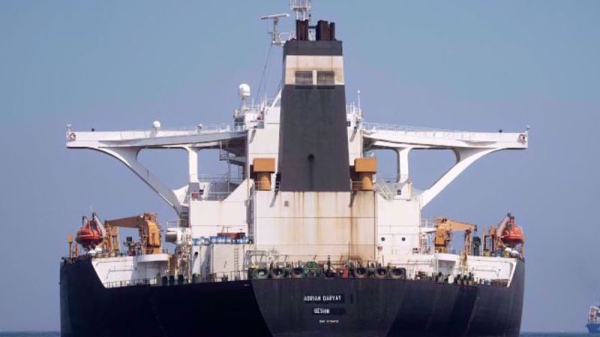
Iran has strongly condemned new US sanctions against Oil Minister Mohsen Paknejad and some entities and vessels involved in the country's crude exports as a testament to Washington's "infringement of the law and hypocrisy."
Foreign Ministry spokesperson Esmaeil Baghaei made the remarks on Friday, a day after the US Treasury Department designated Paknejad and three entities engaged in the Iranian oil trade in China, and named three shipping vessels as blocked property for their use in the transactions.
The sanctions followed the delivery to Iran of a letter US President Donald Trump had written to Leader of the Islamic Revolution Ayatollah Seyyed Ali Khamenei. During an interview with Fox News last week, Trump threatened military action against Tehran if it did not engage in talks on a new nuclear deal.
Baghaei said the new bans refute the repeated claims by American officials about their readiness for negotiations and show the US hostility to the development, progress, and prosperity of the Iranian people.
He also noted that the US "addiction" to the policy of sanctions and pressure against independent countries violates the rule of law at the international level and poses a threat to international peace and security.
"The evil actions of the United States to disrupt Iran's economic and trade exchanges with other countries are a clear violation of the fundamental principles and rules of international law and free trade," he said.
"The Islamic Republic of Iran holds the US government responsible for the consequences and effects of such unilateral and illegitimate actions."
The spokesman added that "unseemly US actions" like the one targeting Iranian oil minister cannot affect the national resolve to defend the country's independence and dignity and strive for its development and prosperity.
In a statement, Iran's Ministry of Petroleum said Paknejad was sanctioned due to his extensive efforts to sell Iranian oil.
"Sanctions against Paknejad and a group of oil managers, as well as companies and individuals related to the Iranian oil industry are meant to exert maximum pressure on the Islamic Republic," it said.
"Iran has repeatedly shown its ability to circumvent sanctions over the past years and it is still selling its oil in international markets using various methods," added the statement.
The US Treasury said the imposition of new sanctions "advances" Trump's so-called policy of maximum pressure on Iran.
During his first presidential term, Trump pursued the policy of pressure against Iran, unilaterally withdrawing Washington from the 2015 nuclear deal and imposing a series of illegal sanctions on the Islamic Republic.
Press TV’s website
China, Russia urge end to ‘unlawful sanctions’ on Iran
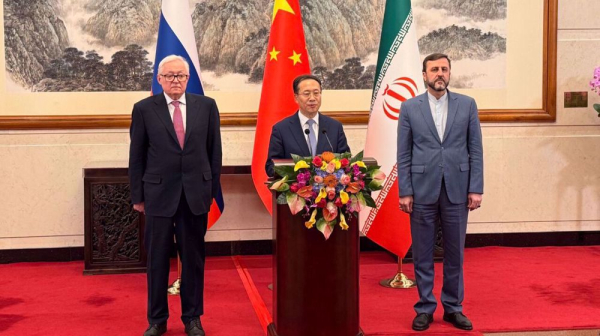
Chinese and Russian diplomats have called for the lifting of “unlawful sanctions” imposed against Iran, reiterating Tehran’s right to peaceful uses of nuclear energy.
During talks between China, Russia and Iran in Beijing on Friday, the three countries’ diplomats exchanged views on Iran’s nuclear program and other international issues of common concern.
In a joint statement, they stressed “the necessity of lifting all unlawful, unilateral sanctions.”
The meeting, headed by China's Vice Foreign Minister Ma Zhaoxu, was attended by Iran's Deputy Foreign Minister Kazem Gharibabadi and Russian Deputy Foreign Minister Sergei Ryabkov.
It came days after US President Donald Trump sent a letter to Iran calling for talks and threatening military action if Tehran declined.
China, Russia and Iran “emphasized that the relevant parties should be committed to addressing the root causes of the current situation and abandoning sanction, pressure or threat of force".
They stressed that dialogue based on "mutual respect" is the only practical solution for the issue, urging “relevant parties to refrain from taking any action that would escalate the situation” and undermine diplomatic efforts.
In the statement, Beijing and Moscow also welcomed Iran's reiteration that its nuclear program is exclusively for peaceful purposes and not for the production of nuclear weapons, and the country’s commitment to fully comply with its obligations under the Non-Proliferation Treaty and the Safeguards Agreement.
The statement also stressed that Iran's right to peaceful uses of nuclear energy should be "fully" respected.
Iran has long been subjected to Western sanctions over its nuclear activities and other pretexts, the latest of which was imposed on Thursday.
The new US administration at the White House has escalated these measures since taking office in January, reinstating the so-called "maximum pressure" policy, a campaign of hybrid warfare targeting the Islamic Republic.
The latest sanctions come after Iranian Foreign Minister Abbas Araghchi confirmed that Anwar Gargash, the diplomatic advisor to the UAE president, delivered a letter from Trump to the Iranian establishment.
On Thursday, Araghchi said the country will not engage in talks with the United States unless negotiations are free from pressure and threats.
In 2015, Iran signed the Joint Comprehensive Plan of Action (JCPOA) with six world powers. However, the US’s unilateral withdrawal in 2018 and its subsequent re-imposition of sanctions against Tehran left the future of the deal in limbo.
Press TV’s website
Getting to know Kyrgyzstan
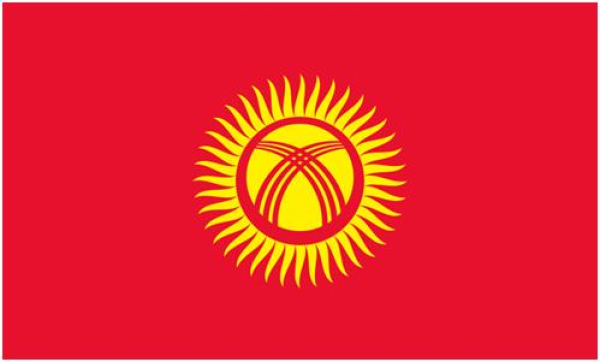
Country: Kyrgyzstan
Area: 198,500 square kilometers
Capital: Bishkek
Population: Nearly 6 million
Major cities: Osh, Batken, Jalal-Abad, Naryn, Karakol, Tokmok, Balykchy
Official languages and scripts: Russian and Kyrgyz, Cyrillic script
The Kyrgyz language is a branch of the Central-Eastern Turkic languages. This language has three dialects: northern, eastern, and southwestern. The modern Kyrgyz literary language, which was developed during the Soviet era, is a combination of the characteristics of all Kyrgyz dialects. The vocabulary of the Kyrgyz language has Turkish and Mongolian roots, and there are also a number of Persian, Arabic, and Russian words in this language. The common script is Cyrillic, which has replaced the Latin script since 1940. Before that, the Arabic script was used until 1928, and from 1928 to 1940, the Latin script became common as an intermediary between Arabic and Cyrillic.
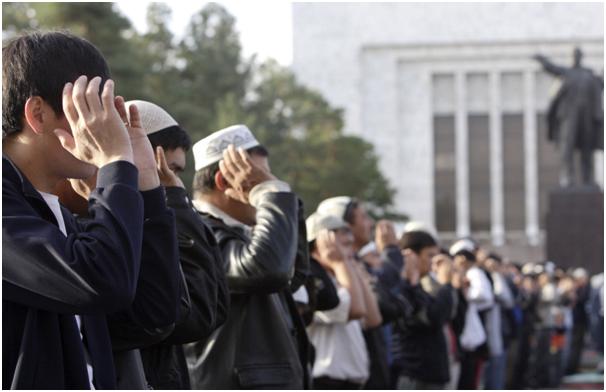
Population and its religious, ethnic and religious distribution:
The country's population is about 7 million people. About 72% of it is made up of Kyrgyz, 14% of it is Uzbek and 10% is Russian. Other small minorities such as 2.8% Ukrainians, 1.1% Germans and Tatars, Kazakhs, Azerbaijanis, Tajiks and Uyghurs also live in this country. The percentage of Muslims in the southern provinces such as Osh, Jalal-Abad and Batken is higher than in the northern provinces.
About 80% of the country's population is Hanafi Muslims, 15% are Orthodox Christians and the remaining 5% are of various religions or beliefs.
History of Kyrgyzstan:
The history of Kyrgyzstan dates back to 201 BC. Kyrgyz believe that the Kyrgyz people are descended from Turkic peoples. The Kyrgyz originally lived in the northeastern part of what is now Mongolia. They later migrated south and settled around the Yenisei River in southern Siberia, where they lived from the 6th to the 8th centuries. In the 12th century, Islam became the dominant religion in the region, and in the 13th century, the Kyrgyz migrated south with the rise of the Mongol Empire. In the 15th and 16th centuries, the Kyrgyz Republic was formed and continued to exist independently until the 19th century. In 1876, the territory was annexed by the Russian Empire, which led to some tensions and rebellions. During Russian rule, many Kyrgyz emigrated to China and Afghanistan.
In 1918, the Soviet Union was established in the region, and in 1924, Kyrgyzstan was recognized as part of the Kara-Kyrgyz Autonomous Oblast. In 1926, the name was changed to the Kyrgyz Autonomous Soviet Socialist Republic, and in 1936, it was recognized again as the Kyrgyz Soviet Socialist Republic (KSSR) and as part of the Union of Soviet Republics.
During the Soviet period, Kyrgyzstan developed economically and socially. In 1924, a new Arabic alphabet was adopted, which was later changed to Latin in 1928 and to Cyrillic (Russian) in 1941.
In June 1990, Kyrgyzstan was troubled by ethnic tensions between Kyrgyz and Uzbeks in the Osh region. That same year, the Kyrgyz Democratic Movement began to operate, and in October 1990, Asgar Agayev became president. In 1991, Kyrgyzstan seceded from the Soviet Union, and in 1993, the independent Kyrgyz Republic was declared.
During the 1990s and early 2000s, the country experienced political instability and free and democratic elections were not held.
Religious Education:
The Kyrgyz Islamic University, headed by Abdulshakur Narmatov, is the most prestigious university in this field. It is worth noting that this university is run under the supervision of the Mufti's Office. This university has chairs in the fields of law, language, and Islamic sciences and has 300 students and 34 professors. It is worth noting that other seminaries are also operating privately.
Political, social, and economic situation of religious minorities:
The largest religious minority after Muslims is Orthodox Christians, with 15% of the population, most of whom are of Russian descent. There are 2,044 officially registered religious groups in Kyrgyzstan, of which 309 are Christian organizations. The Kyrgyz Orthodox Church, which is located in the center of Bishkek, has implemented regular programs to spread Christianity. These activities include training missionaries and sending them to other centers under the church's care. It is noted that the government has not yet imposed any restrictions on their cultural and economic activities, and they are free to practice their religion. The country's Shiites, with a population of about 24,000, are Azeri immigrants who were forcibly relocated to these areas during the former Soviet era.
The number of Jews is estimated to be over 3,000, most of whom are engaged in economic activities. It is said that the level of Jewish influence among some government officials and decision-makers is high. Many of this minority migrated to Russia or occupied Palestine after the collapse of the Soviet Union.
7 Important Medical Tips; What to do to avoid getting sick during Hajj?!
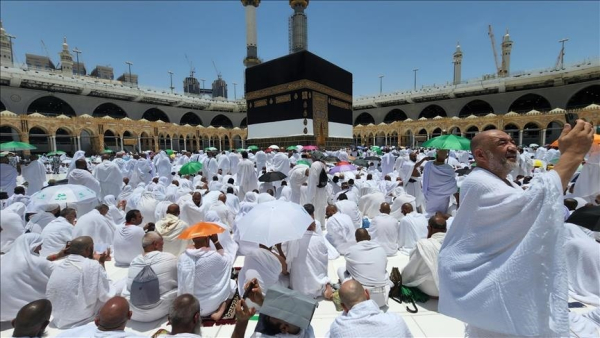
During the Hajj Tamattu, in addition to the difficulties of performing Hajj and the different atmosphere of this spiritual journey, the occurrence of some diseases is common, and pilgrims should pay attention to some points to prevent such diseases.
Below are some important tips for pilgrims to prepare for and embark on Hajj Tamattu:
- Make the necessary preparations for embarking on Hajj Tamattu: Before sending to the land of revelation, prepare yourself for communal life and also exercise and strengthen your immune system, considering the heat of the weather and possible difficulties in performing Hajj.
- Share your illness honestly with your doctor: Before sending, honestly inform the caravan doctor about your illness and bring the medicines you need with their English versions. Also, take your medical records with you on this trip. In addition, pay attention to completing vaccinations and administering the meningitis vaccine at least 10 days before sending.
- Observe hygiene tips and wear a mask in crowded places: One of the important points in the Hajj Tamattu journey is to observe hygiene tips and wash your hands frequently. In addition, it is recommended that pilgrims wear masks in crowded places.
4: Prevent heatstroke with various solutions: Heatstroke is another problem that can cause problems for pilgrims along with the heat in Saudi Arabia, especially during this year's Hajj Tamattu.
Accordingly, it is recommended that pilgrims avoid direct sunlight as much as possible and focus on consuming caffeine-free liquids, cooling the environment, and getting enough rest.
Wearing cool, loose clothing, as well as a brimmed hat, umbrella, and sunglasses can also prevent heatstroke to some extent.
It is also better for pilgrims to carry some sherbet seeds and drink them with lemon juice syrup if needed to reduce thirst and heatstroke.
- Pay attention to nutrition during the trip: Avoid excessive consumption of sugary foods and carbonated drinks or even bananas and focus on consuming light food and appropriate fruits during the trip. Also, avoid buying food outside the caravan, especially from street vendors.
- Take the necessary measures in case of illness during Hajj seriously: Wear a mask when sick in public and get more rest. In addition, gargle with salt water regularly and avoid eating fatty and spicy foods and replace soup, tea and hot liquids with fresh fruits and vegetables.
- Do not move in the opposite direction in crowds: If you are exposed to crowds and crowds, go with the flow of the crowd and do not try to move in the opposite direction. Maintain your calm during the trip because stress causes blood pressure to rise.
Also, avoid pushing and putting pressure on other people, especially the elderly, in the center of crowds and crowds.
In previous years, colds, weakness and lethargy, bruises and muscle cramps have been among the most common illnesses during Hajj Tamattu, and this year, due to the hot weather, heatstroke will also increase. Of course, the Hajj and Pilgrimage Medical Center is active in Saudi Arabia, and if needed, the center's doctors provide services to pilgrims in clinics in Medina and Mecca.
Did Hajj exist as a religious fact in the laws of pre-Islamic religions?
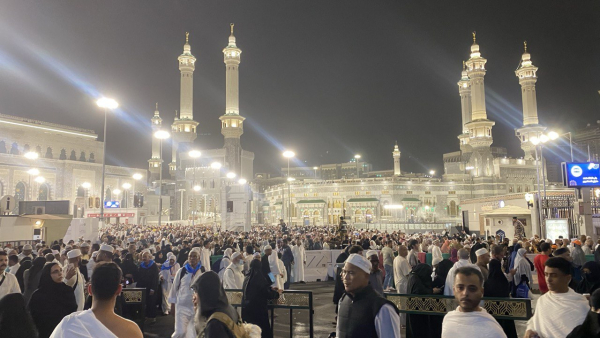
A Christian writer named "Venusen" writes about the Hajj of Christians:
"Arab lexicographers have interpreted Hajj as "intention", and this is the same as the meaning of Hajj in the eyes of (Christians). Moreover, its idiomatic meaning is the same as in the Arabic word "mustlah", and it seems that the substance and meaning of this word in the Semitic words of the North and South are the same as "to circumambulate and go around". (1)
In the distorted Bible, there is no word called Hajj, but only mentions festivals in which they celebrate and rejoice, and they mention God the Father and God the Son (Christ), who, in their belief, is composed of the "divine spirit" and "human creation". Therefore, Christianity is polytheistic and their religion cannot be called monotheistic, but rather dualism or trinity dominates their beliefs.
The place where God the Son was born is considered one of their holy places. The place where they believe Jesus was crucified is their other holy place. Wherever Jesus prayed or he or his mother, the Virgin Mary, appeared, it has been given the title of holy. In short: every place or every time, where this appearance and manifestation has been manifested or with whomever he has met, has become a subject of holiness and a place of pilgrimage and annual ceremonies, and each has been declared a feast day by the Gospel. In any case, what is seen in Christianity is not something that existed in the early religion of Jesus. (2)
Regarding the Hajj and the early religion of Christianity, it can be said that Jesus (peace be upon him) was also among the prophets who responded to the call of Abraham, the friend of God (peace be upon him). When he gave the order of God to perform Hajj.
Jesus (peace be upon him) was one of the most determined prophets and he knew that the call of Abraham was universal and not specific to a particular law, but rather included all heavenly religions and all prophets and messengers and was a general duty for all those entrusted with it.
As the narrations are used, all prophets came to perform Hajj to the House of God. These narrations, which were narrated from the Holy Prophet and the Imams (peace be upon them), emphasize that Jesus, the son of Mary, the Spirit of God, came to the honorable Kaaba and performed Hajj to the House of God. It is narrated from the Prophet (peace be upon him) that he said: By the One in Whose Hand is the soul of Muhammad (peace be upon him), the son of Maryam passed through the pass of Ruha while raising his voice to say Labaik and set out for Hajj or Umrah, or both. (3)
And it is narrated from Imam Sadiq (peace be upon him): "Jesus, son of Maryam, passed through the pages of Ruha while saying: Labaik! Your servant and the son of Your slave girl! Labaik." (4)
About the time of the pilgrimage of the prophets, including Prophet Jesus (peace be upon him), to the Ancient House. Imam Ali ibn Musa al-Rida (peace be upon him) says: “The time of Hajj was the ten days of Dhul-Hijjah… and those prophets are: Adam, Noah, Abraham, Jesus, Moses and Muhammad (peace be upon them) and other prophets who performed Hajj to the House of God during this period of time, and this became the Sunnah for their descendants until the Day of Judgment.” (5) Thus, the Hajj of Jesus, who is one of the most powerful prophets, cannot be opposed to the Hajj of other prophets or to the fact that he and his followers chose Jerusalem or another place for their Hajj.
Hajj In the Jewish religion, the Jews engage in various forms of pilgrimage, and for this purpose they travel to various places. Each sect has chosen a special path for itself, and on special holidays, they perform the pilgrimage to those places, and they perform the ceremony with their own religion, teachings, beliefs, and special commands and prohibitions.
The idea of Hajj is not new for the Jews, but has a long history. Those Jews who followed the religion of Abraham (peace be upon them) performed the pilgrimage to the Sacred House of God, and those who were from the Semitic tribes performed the pilgrimage to temples, shrines, buildings, relics, and graves of the dead (6) where they performed the Hajj ceremony. It seems that the Jewish Hajj was a religious duty that the Torah made obligatory upon them.
We read in one of the writings: “The pilgrimage to one of the temples is an ancient Semitic custom, which is even mentioned as a religious duty in the older parts of the Pentateuch. In the “Exodus,” chapter twenty-three, paragraph fourteen, it is stated: “Three times in the year you shall keep a feast to me,” and in the thirty-third verse of the thirty-fourth chapter it is stated: “Three times in the year all men shall appear before the great God, the God of Israel.” And in the Arabian lands there were also many places where ceremonies such as the presence at Arafat were performed.” (7) On each of the three feasts, Jewish sects performed the pilgrimage to certain places. On the day of "Istighfar" (Eid al-Mazal) (8), they would perform Hajj to Mount Sinai, and on the day of "Passover" they would go to Bayt al-Maqdis, and on the days of "Esther" and "Eid al-Baran" and... to other places.
However, from research and examination in the Torah, we do not find a specific place where Hajj is mentioned as a divine command from the mouth of their prophet, Hazrat Moses (peace be upon him). And the question is: Did God not make Hajj to a specific place obligatory for the Jews, or did the narrators and writers of the religious texts of the Torah omit it, or did they distort it, as is well-known among the Jewish people who distorted the Torah?!
This is because the places of Hajj have become numerous and the Jews would travel to different places on annual holidays, and they called each place of worship "Bayt" which was the place where their Hajj was held at different times. For example, in "Beit al-Maqdis" "Beit El" "Beit Avon" which was near Beit El and "Beit Asl" in Judah and "Beit Hur" near Jerusalem and "Beit Hajin" in the birthplace of Jesus - peace be upon him - in "Bethlehem" and "Beit Hashta" and other houses whose number is long and we can refer to the Holy Bible in the New and Old Testaments where it is recorded.
Regarding the time of the Jewish pilgrimage, "Dr. Hassan Zaza" writes: "The times in which they perform the pilgrimage coincide with their festivals and these are three times:
- Passover, which occurs in the spring and lasts seven days and begins on the fifteenth day of Nisan in the Jewish calendar.
- "Harvest Festival" or "Weeks" (Shabu'ot) which lasts one day and coincides with the sixth day of the month of Sivan in the Jewish calendar which is in early summer (June).
- "Eid Dhul-Hijjah" (Sarakut), which lasts for eight days and falls in the fall and begins on the fifteenth day of the Jewish month of "Tishreen". The three seasons mentioned are called the three Eids, during which Hajj is recommended and is accompanied by many charities. (9)
The Hajj of Prophet Moses (peace be upon him) It is necessary and appropriate to know how Prophet Moses (peace be upon him) performed Hajj.
When we follow the news, narrations and hadiths from the noble Sunnah, we will see that Moses, the pious, performed Hajj to the ancient House of Allah, like the previous prophets, performed Tawaf and recited Talbiyah, in the same way that his fathers and forefathers, who were messengers of truth and followers of heavenly commands, performed Hajj.
This is something that the narrations of the Prophets' Hajj emphasize, and we will mention a few:
Ibn Abbas said: "We were in the presence of the Messenger of God - may God bless him and grant him peace - and we were traveling the distance between Mecca and Medina when we came to a valley. The Prophet - may God bless him and grant him peace - said: What is the name of this valley? They replied: "The Wadi Azraq." He said: "It is as if I see Moses (peace be upon him) passing through this valley with long hair, with his fingers in his ears and reciting the Talbiyah of Hajj, and his voice was like the voice of the Hajj of Mecca and the Kaaba." (10)
It is also narrated from Hazrat Abu Ja'far al-Baqir (peace be upon him) that he said: "Moses ibn Imran (peace be upon him) passed through the Ruha'a Pass with a group of seventy prophets for the purpose of Hajj, while he said: "To your Lord, your servant, is your servant." (11)
It is also narrated from the Holy Prophet (peace be upon him) that: "Moses (peace be upon him) entered the state of Ihram from the desert of Egypt and passed through the Al-Safahiyah of Ruha'a in the state of Ihram. He was riding a camel whose harness was made of date leaves, and he was wearing two white garments, reciting the Talbiyah, and the mountains surrounded him. They would accompany him in the Talbiyah.”(12)
It is also narrated from Imam Sadiq (a.s.) that he said: “The Prophet Moses (a.s.) passed through the sheets of the Spirits and rode on a red-haired camel whose reins were made of date leaves and he wore two short (white) robes and said: Labbayk, ya Karim Labbayk.”(13)
Footnotes:
- Islamic Encyclopedia, Orientalists Group 7: 304.
- (Because the religion that he himself brought was a monotheistic religion, but Christianity is not based on monotheism. Everything that is sanctified is based on its attribution to the person of Christ, not to the God of Christ.)
- Musnad Ahmad, with a slight difference, vol. 2, pp. 240, 272, and 290.
- Allama Majlisi, Bihar al-Anwar, Dar Ihya al-Turat al-Arabi, Beirut, vol. 99, p. 185 and Kafi, vol. 4, p. 213, chapter Hajj al-Anbiya. . .
- Ibid. and Wasa’il al-Shi’ah, Hurr Amili, Muhammad. Wasa’il al-Shi’ah, Qom, Aal al-Bayt Institute, 1409 AH, vol. 11, p. 274.
- An article with this title in issue 39 of the quarterly magazine “Miqa
Intention of nearness and sincerity are conditions for the acceptance of Hajj
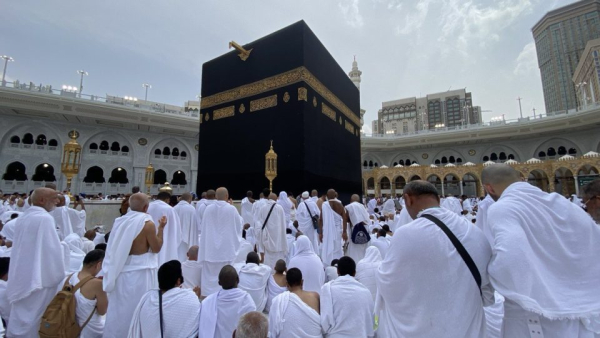
Intention of nearness is a condition for the acceptance of any act of worship, and no act of worship without intention of nearness and sincerity is acceptable to God. The higher and more complete the level of sincerity, the closer the worshipper is to the truth of worship and his worship is acceptable to God.
Intention of nearness and sincerity is also a condition in Hajj. If someone goes on Hajj just to be called a pilgrim, or to avoid being criticized by others, or to do business, or to have fun, his Hajj is not acceptable to God because the truth of Hajj is to turn towards God and stay away from everything other than Him.
The Prophet (peace be upon him) said: A time will come when kings will go on Hajj to have fun, the rich will go on Hajj to do business, and the poor will go on Hajj to fulfill their needs.
Imam Sadiq (AS) also says: Whoever goes for Hajj only for the sake of Allah, not for showing off or gaining status, Allah will forgive him. In another narration, Imam Sadiq (AS) also says: This means that Hajj is of two types: Hajj for Allah and Hajj for people. Whoever performs Hajj for Allah will be rewarded with Paradise, and whoever performs Hajj for people will have to receive his reward from people on the Day of Judgment.
Hajj from the perspective of the Holy Quran
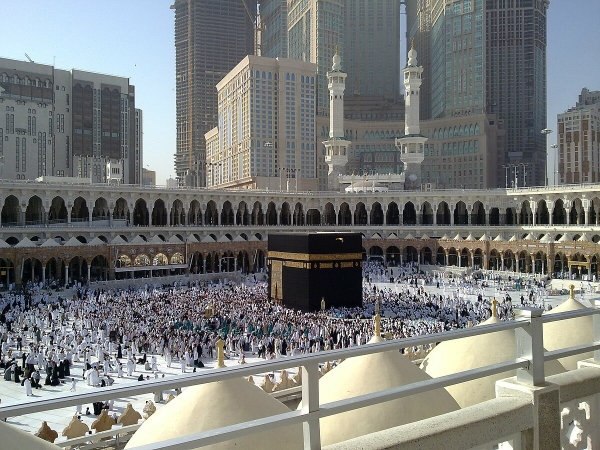
Hajj is the best opportunity and time for repentance, remembering death and resurrection, cutting off everything, seeing the deserts of Arafat and Mash'ar, and waiting for the Promised Mahdi (peace be upon him).
The Holy Quran deals with almost all the topics and issues related to Hajj, and out of a total of one hundred and fourteen surahs, twenty-five surahs briefly or in detail refer to the issues of Hajj, and out of six thousand two hundred and thirty-six verses of the Quran, more than one hundred and twenty verses are called "verses of Hajj".
Here, verse 28 of Surah Hajj is examined.
لِیَشْهَدُوا مَنَافِعَ لَهُمْ وَیَذْکُرُوا اسْمَ اللَّهِ فِی أَیَّامٍ مَعْلُومَاتٍ عَلَى مَا رَزَقَهُمْ مِنْ بَهِیمَةِ الْأَنْعَامِ فَکُلُوا مِنْهَا وَأَطْعِمُوا الْبَائِسَ الْفَقِیرَ.
Notes
Imam Sadiq (a.s.) said: “The meaning of ‘أَیَّامٍ مَعْلُوماتٍ’ is the days of Tashreeq, i.e. the 11th, 12th and 13th of the month of Dhul-Hijjah. “1”
Imam Sadiq (a.s.) said: “Remember the name of Allah” means saying Allahu Akbar and the sentences after it, which is recited in the famous supplication after the fifteen prayers, the first of which is the noon prayer on the day of Eid al-Adha. “2”
Imam Kazim (a.s.) said in a personal response: If they give the skin of the Meccan sacrifice to the slaughterer as a wage, there is no problem, because what is edible should be consumed by the person himself or by the poor, so eat from it and feed ... and the skin is not edible. “3”
Characteristics of Hajj:
- Hajj is a general mobilization and a maneuver of the monotheists.
- Hajj is the beautiful face of love and worship.
- Hajj is to keep alive the memories and services of prophets such as Abraham, Ishmael, and Muhammad. (May God's peace be upon them all)
- Hajj is the center of international Muslim gatherings.
- Hajj is the center of communication and exchange of news and information in the Islamic world.
- Hajj is the backbone of the Muslim economy and creates employment for tens of thousands of Muslims.
- Hajj is the best opportunity and time for Islamic propaganda, exposing conspiracies, supporting the oppressed, exonerating the infidels, and creating fear and terror in their hearts.
- Hajj is the best opportunity and time for repentance, remembering death and resurrection, severing ties with everything, seeing the deserts of Arafat and Mash'ar, and waiting for the Promised Mahdi (peace be upon him).
Messages
1- Muslims should be present on the scene to gain the material and spiritual benefits of Hajj. “To witness”
2- The benefits of Hajj are so important that even if people come from the farthest corners of the world, it is still worth it. “A deep victory – to witness”
3- Carrying out God’s command and the intention to be close to Him in Hajj does not contradict various side benefits. “To witness benefits for them”
4- The divine commands are for the benefit of people. “Benefits for them” did not say: “their benefits”
5- In Hajj, there are both worldly and hereafter benefits. (“Benefits” is absolute and Imam Sadiq (peace be upon him) said: “Benefits” in the verse means the benefits of this world and the hereafter.) “4”
6- The philosophy of worship is the remembrance of God. “And remember the name of Allah” (We also read about the philosophy of prayer: “Establish prayer for the remembrance of Allah” meaning, pray regularly)
7- The element of time is effective in prayer and supplication. “On days of knowledge” (Islamic worship has a specific time schedule)
8- The four ends and their submission to man, their sacrifice and other benefits are among the blessings of God given to mankind. “Their sustenance”
9- The use of the sacrificial meat is permissible for the pilgrims themselves. “So eat” (contrary to the customs of the time of ignorance, which considered its consumption forbidden for the pilgrims)
10- Attending Hajj and achieving its benefits must be accompanied by poverty alleviation. “And feed the needy”
11- The gathering of the rich in Hajj should not make them neglect the poor. “And feed the needy”
Footnotes
“1”. Tafsir Nur al-Thaqalayn; Ma’ani al-Akhbar, p. 297.
“2”. Tafsir Nur al-Thaqalayn.
“3”. Tafsir Nur al-Thaqalayn.
“4”. Tafsir Nur al-Thaqalayn; Kafi, vol. 47, p. 422.