zarezadeh
How do Shia scholars handle differences of opinion?
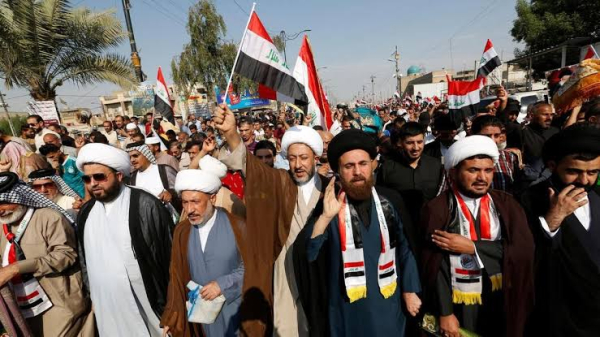
Shia jurisprudence allows ijtihad (independent reasoning) for qualified scholars (mujtahids), and followers may practice taqlid (emulation) of these scholars in daily life.
What is the significance of the Mahdawi movement?
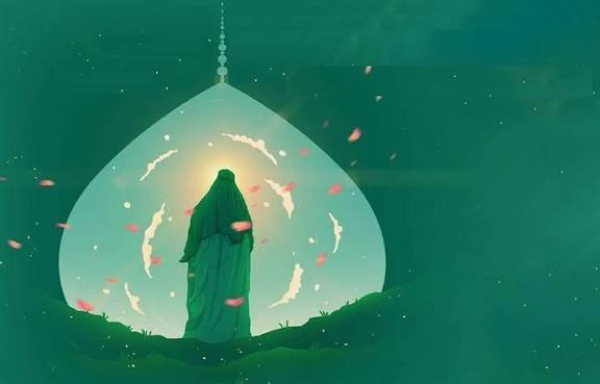
The Mahdawi movement is based on belief in Imam Mahdi (AS) as the hidden savior who will establish global justice and remove tyranny.
How does Shia Islam view martyrdom?
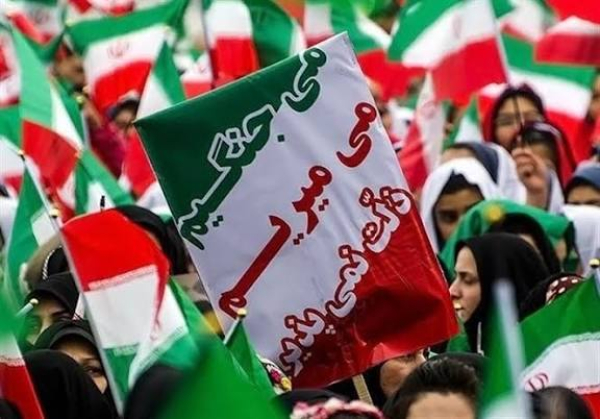
Martyrdom (Shahadat) is a central concept. The death of Imam Husayn (AS) and other Imams is seen as sacrificial, inspiring resistance against oppression and achieving spiritual reward.
What is the Shia view on Imamate succession?

Shias believe Imams are divinely appointed, infallible, and chosen from the Prophet’s lineage. Succession is not elective or based on consensus.
What is the difference between Usul al-Fiqh and Furu’ al-Fiqh?
• Usul al-Fiqh: principles of jurisprudence, methodology for deriving law
• Furu’ al-Fiqh: the practical rulings derived from those principles, like prayer, fasting, and transactions
What is Taqiyya, and why is it practiced in Shia Islam?

Taqiyya is precautionary concealment of faith to protect oneself or the community under threat. It is considered permissible in situations of danger or persecution.
How does Shia theology interpret the Quran differently?
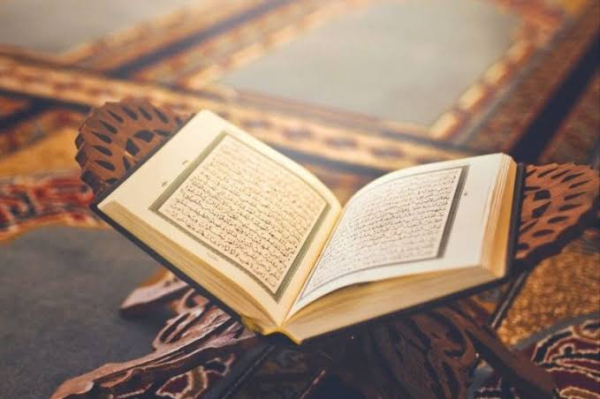
Shias emphasize interpretations linked to Ahl al-Bayt, often using Hadiths from the Imams to clarify ambiguous verses, particularly regarding leadership, justice, and eschatology.
What is the concept of Wilayah in Shia theology?
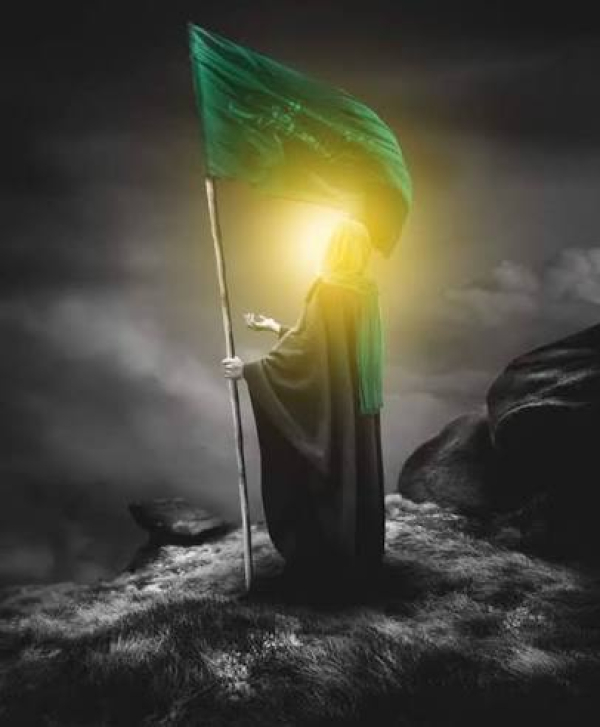
Wilayah refers to spiritual and temporal authority. Shias believe that Imams have a divinely ordained leadership, guiding both religious and worldly affairs of the community.
What are the main sources of Shia jurisprudence and beliefs?
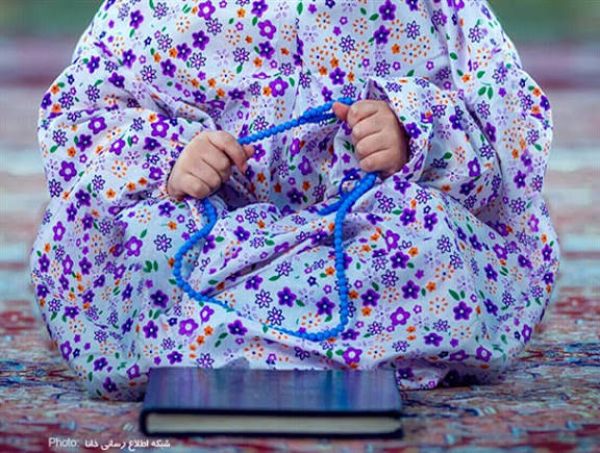
The main sources are:
• Quran
• Hadiths of Ahl al-Bayt (e.g., Nahj al-Balagha, other authentic Shia collections)
• Shia jurisprudence (Fiqh), which explains religious laws and practices
What is the purpose of Shia mourning rituals?

Mourning rituals aim to remember Imam Husayn’s (AS) sacrifice, teach ethics, promote justice, and prevent society from forgetting tyranny and corruption.