zarezadeh
Leader thanks Iranians for disappointing enemies with multimillion rallies
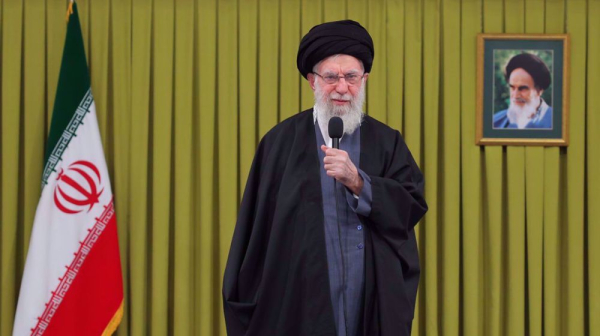
Leader of the Islamic Revolution Ayatollah Seyyed Ali Khamenei has praised the Iranian people for a massive nationwide turnout during the Islamic Revolution anniversary rallies, saying the demonstrations left the enemies disappointed.
“On 22 Bahman (February 11) this year, you accomplished a great deed; you brought honor to Iran,” Ayatollah Khamenei said in a televised message delivered Thursday evening.
"As always, by supporting the Islamic Republic you increased its strength, and the enemies who, in their statements and plans, sought the surrender of the Iranian nation became disappointed," he added.
He described the reward of this great public movement as greater dignity, stronger authority, and fuller independence for Iran, adding: “Let us all strive to preserve this connection and national cohesion, which is very valuable and precious.”
Ayatollah Khamenei praised the people’s presence in the streets and their unified slogans, saying they demonstrated their identity and character to adversaries.
"I thank the entire Iranian nation and extend my abundant greetings to each and every person present at this great, million-strong gathering across the country,” the Leader said.
Tens of millions of Iranians poured into the streets across the country on Wednesday, marking the 47th anniversary of the victory of the Islamic Revolution with one of the largest nationwide turnouts in recent years.
From Tehran to more than 1,400 cities, towns and villages, vast crowds gathered despite forecasts of rain and snow, presenting a sweeping display of unity following months of military confrontation, riots and intensified foreign pressure.
The 2026 anniversary came in the aftermath of a 12-day imposed war in June 2025, during which Israel, backed by the United States, launched attacks against Iranian interests.
The war ended at the desperate entreaties of the aggressor and was followed by attempts to maintain a “no war, no peace” environment aimed at obstructing Iran’s progress through the activation of sanctions mechanisms, intensified economic pressure and a cognitive or media war as part of broader efforts to weaken the country.
Tensions further escalated in January 2026, when armed incidents by trained agents linked to Israel’s Mossad and the US CIA engaged in acts of terrorism and anti-human takfiri violence.
While segments of the public had legitimate economic grievances, the population quickly distanced itself from violent actions once foreign involvement became apparent.
Against this backdrop, the anniversary rallies this year were both a commemoration and a response.
Press TV’s website
Gratitude to God and to Parents
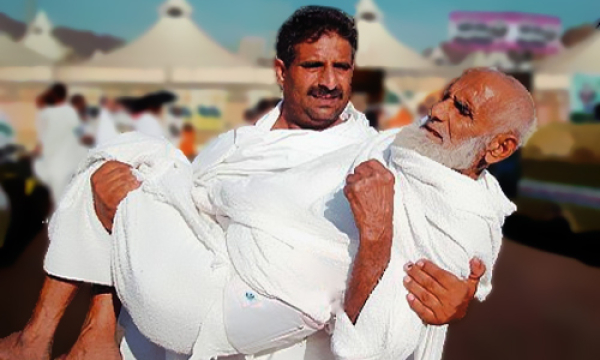
Qur’an – Surah Luqman (31:14)
أَنِ اشْكُرْ لِي وَلِوَالِدَيْكَ ۖ إِلَيَّ الْمَصِيرُ
Translation:
Be grateful to Me and to your parents; to Me is the final return.
Explanation:
The Qur’an places gratitude to parents immediately after gratitude to God. This highlights that honoring parents is part of faith itself. True gratitude is not limited to words; it is expressed through service, attention, respect, and care. Even simple acts, such as spending time with them or checking on their well-being, can fulfill this command in practical ways.
Show Kindness Even in Disagreement
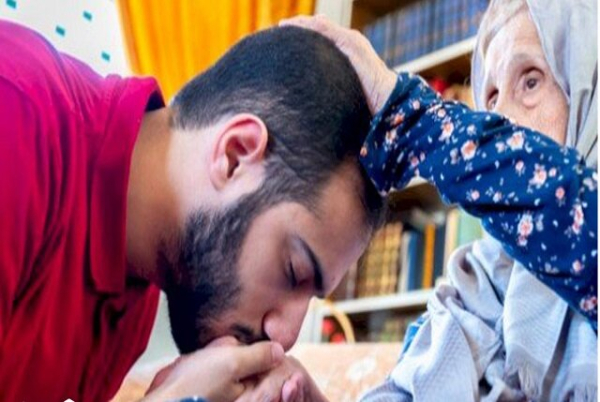
Qur’an – Surah Luqman (31:15)
وَإِن جَاهَدَاكَ عَلَىٰ أَن تُشْرِكَ بِي مَا لَيْسَ لَكَ بِهِ عِلْمٌ فَلَا تُطِعْهُمَا وَصَاحِبْهُمَا فِي الدُّنْيَا مَعْرُوفًا
Translation:
But if they strive to make you associate with Me that of which you have no knowledge, do not obey them; yet accompany them in this world with kindness.
Explanation:
Even in matters as serious as faith, if parents demand something wrong, obedience is not allowed. However, kindness remains obligatory. The Qur’an draws a clear boundary: moral independence does not cancel respectful conduct. Disagreement must never lead to cruelty or disrespect. Ethical treatment of parents is constant, even when perspectives differ.
Pray for Parents
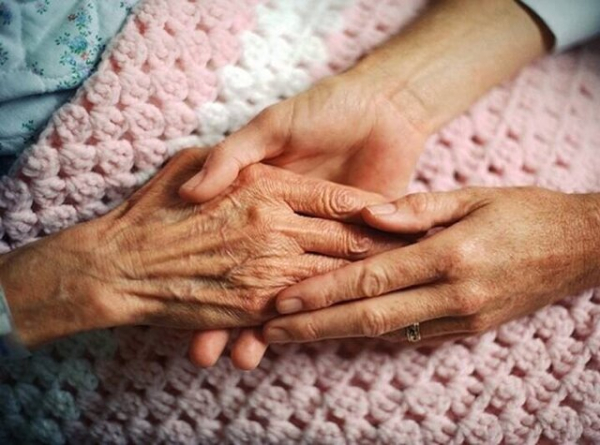
Qur’an – Surah Al-Isra (17:24)
وَقُل رَّبِّ ارْحَمْهُمَا كَمَا رَبَّيَانِي صَغِيرًا
Translation:
And say, “My Lord, have mercy upon them as they raised me when I was small.”
Explanation:
The Qur’an reminds us not to forget the sacrifices our parents made during our childhood. Supplicating for them is an act of gratitude and spiritual loyalty. This prayer is not limited to after their death; it is equally important during their lifetime. It strengthens the emotional and spiritual bond between child and parent and acknowledges their nurturing role as a reflection of divine mercy.
Lower to parents the Wing of Humility
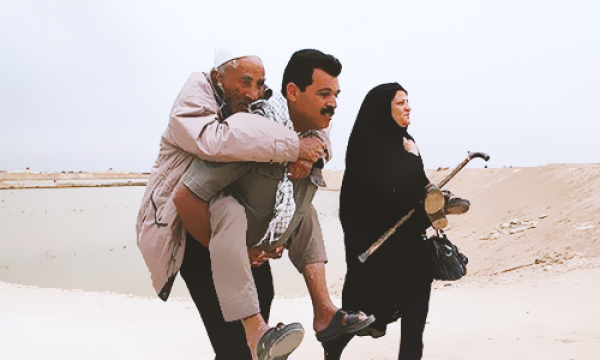
Qur’an – Surah Al-Isra (17:24)
وَاخْفِضْ لَهُمَا جَنَاحَ الذُّلِّ مِنَ الرَّحْمَةِ وَقُل رَّبِّ ارْحَمْهُمَا كَمَا رَبَّيَانِي صَغِيرًا
Translation (first part):
And lower to them the wing of humility out of mercy.
Explanation:
The Qur’an uses a powerful metaphor: lowering the wing, like a bird gently sheltering its young. This indicates that humility toward parents should come from sincere compassion and love. Especially as they grow older and may become physically weaker or more emotionally sensitive, our patience and kindness should increase. Respect is not merely formal; it must be rooted in mercy.
Do Not Even Say “Uff”
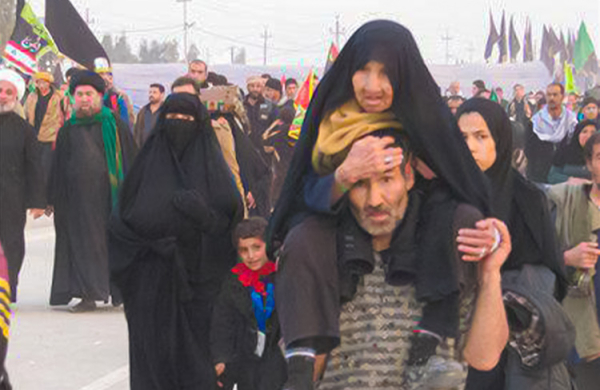
Qur’an – Surah Al-Isra (17:23)
وَقَضَىٰ رَبُّكَ أَلَّا تَعْبُدُوا إِلَّا إِيَّاهُ وَبِالْوَالِدَيْنِ إِحْسَانًا ۚ إِمَّا يَبْلُغَنَّ عِندَكَ الْكِبَرَ أَحَدُهُمَا أَوْ كِلَاهُمَا فَلَا تَقُل لَّهُمَا أُفٍّ وَلَا تَنْهَرْهُمَا وَقُل لَّهُمَا قَوْلًا كَرِيمًا
Translation:
Your Lord has decreed that you worship none but Him, and that you show excellence in conduct to your parents. If one or both of them reach old age with you, do not say to them even “uff,” nor repel them, but speak to them a noble word.
Explanation:
The Qur’an prohibits even the slightest expression of annoyance toward parents. The word “uff” represents the smallest sign of irritation. This teaches that respect must be maintained at the highest level, even when we feel tired, frustrated, or disagree with them. True righteousness includes not only obedience, but also maintaining gentle speech and preserving their dignity at all times.
Returning from Hajj: The Beginning of a New Life
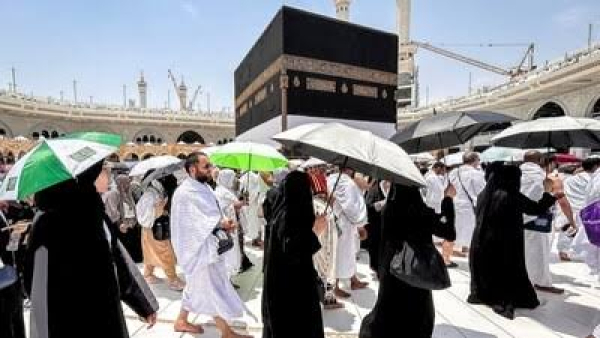
Hajj is not the end of the road; it is a beginning. The beginning of living lighter, with a softer heart and kinder eyes toward the world. Perhaps that is why longing for Hajj is not merely longing for a place—it is yearning for that state of purity experienced in that sacred land.
I miss the moment when your eyes first fall upon the Kaaba and your supplication is answered. The tears that flow without permission. The promise whispered inside: I will return better than I came.
The obligatory Hajj is a journey that calls every longing heart. And how difficult it is to know the invitation exists… yet the moment of your arrival has not come.
Arafat: Where the Human Soul Is Reborn
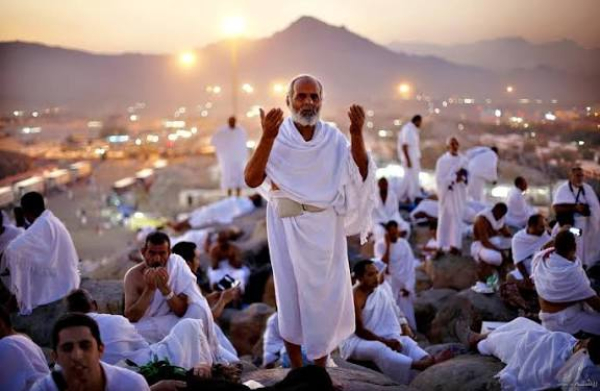
It is said that if one is not forgiven in Arafat, then where else will they be forgiven? That sentence alone is enough to bring tears to my eyes. Arafat means recognition—recognition of weaknesses, fears, and hopes long hidden.
Longing for Hajj is longing for that pure standing. For confessions spoken without intermediaries. For whispers heard by no one but God. There, a person realizes how deeply they need mercy—and how wide open the door of forgiveness truly is.
The Deepest Solitude in the Midst of Millions
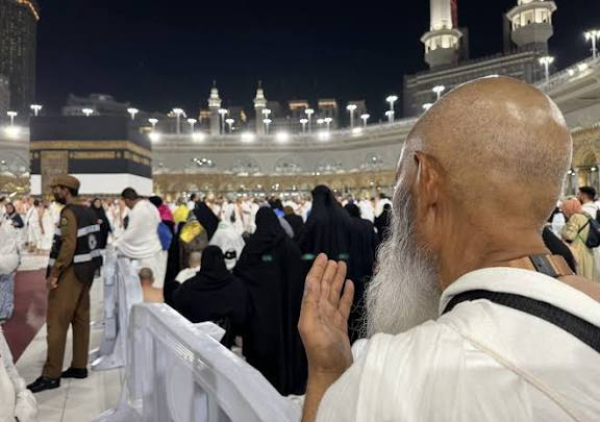
Hajj carries a beautiful paradox: you stand among millions of people, yet you experience the deepest solitude of your life. You circle the Kaaba, and with every round, a layer of pride falls away. Each step becomes a small practice in letting go of attachments.
Longing for Hajj is longing for those endless circumambulations. For the moment your hand touches the covering of the Kaaba—or perhaps does not—but your heart still binds itself to that sacred black cloth. There you realize that the center of the world is not marked on maps; it beats within the hearts of those who revolve around a single Truth
“Labbayk”… A Call That Still Echoes in My Soul
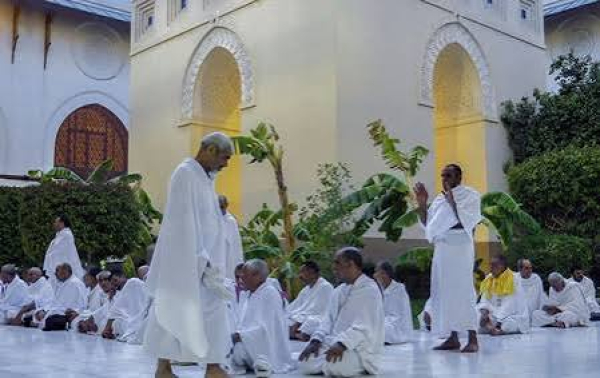
“Labbayk Allahumma Labbayk…”
This chant is not just words; it is a covenant between the servant and the Lord. Every time I hear the Talbiyah, my heart responds, even if I am miles away from the Miqat. Labbayk means: I am here. I heard Your call.
Longing for Hajj is longing to answer that call. To stand on the plains of Arafat, where it is said that one day equals a lifetime. To raise your hands beneath the burning sun and feel as though your entire past is being washed in forgiveness. Who can taste such a day and not yearn to return?