zarezadeh
Why does Hajj lead to the forgiveness of sins?
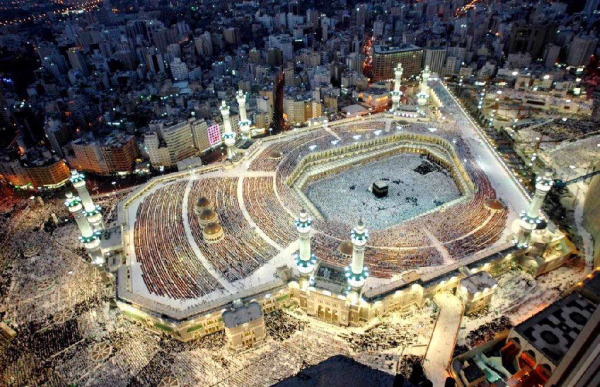
In Shi’a belief, sincere Hajj purifies the soul and allows a person to return to God through repentance, obedience, and spiritual renewal.
What is the connection between Hajj and Imam Mahdi in Shi’a belief?
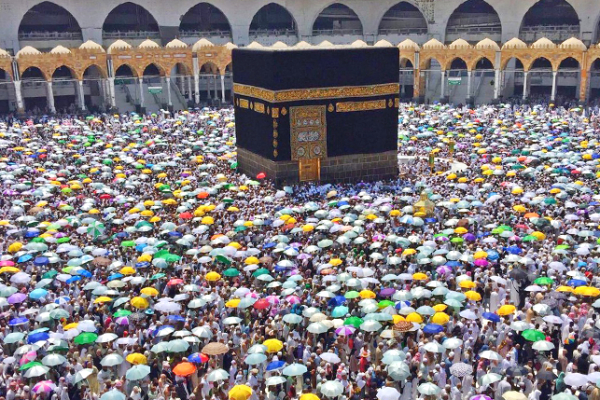
Shi’a Muslims believe that Imam Mahdi is present during Hajj every year. This reflects the continuation of divine guidance and the living presence of the Imam.
Why is visiting the Prophet’s grave important for Shi’a Muslims during Hajj?

In Shi’a belief, Prophet Muhammad is the guide chosen by God. Visiting his grave expresses love, loyalty, and commitment to his path.
What is the philosophy behind Sa’i between Safa and Marwa?

Sa’i commemorates the effort of Lady Hajar searching for water for her son Ismail. It teaches that humans must strive and make effort while trusting in God.
Why do pilgrims perform Tawaf (circling the Kaaba)?
Tawaf symbolizes that God is the center of a believer’s life. In Shi’a belief, it means that all aspects of life should revolve around obedience to God.
Why do pilgrims wear Ihram clothing during Hajj?

Ihram symbolizes equality among all people before God. In Shi’a belief, it shows that wealth, status, and worldly appearance have no value in front of God.
What is the connection between Hajj and Prophet Ibrahim (Abraham)?
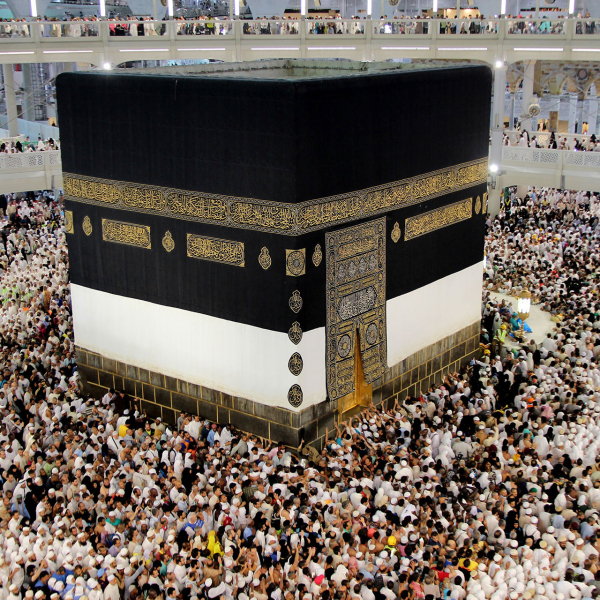
According to Shi’a belief, Prophet Ibrahim rebuilt the Kaaba by God’s command and invited people to perform Hajj. Hajj reminds Muslims of his devotion, sacrifice, and complete submission to God.
Why is the Kaaba the Qibla (direction of prayer) for Muslims?

The Kaaba is a symbol of monotheism and the oneness of God. In Shi’a belief, the Kaaba is not worshipped itself; rather, it serves as a unified direction so that all Muslims turn toward God in an organized and united way.
Why is Hajj obligatory?

Hajj is one of the branches of religion and an obligatory duty commanded by God. Hajj strengthens monotheism (Tawhid), obedience to God, and unity among Muslims. It is a renewal of the covenant between the servant and God.
Potential Consequences of a U.S. Attack on Iran
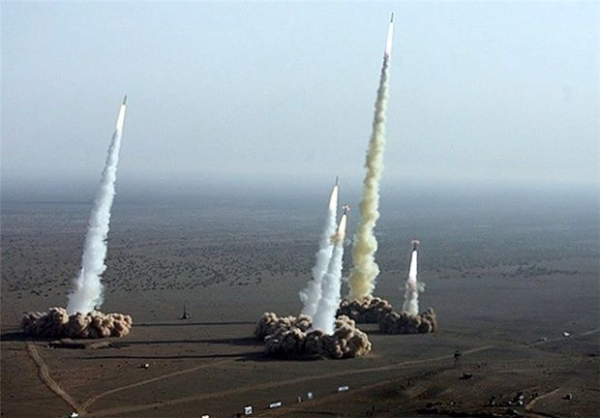
1. Deterrence Framework in Iran’s Defense Policy
According to many Iranian experts, Iran’s defense doctrine is based on the principle of deterrence. Deterrence means creating defensive and response capabilities to make any potential military action against the country costly and risky. The main objective of this approach is to prevent war and preserve national and regional stability.
---
2. Iran’s Warnings About Regional Consequences in Case of an Attack
Some Iranian analysts point out that Iranian officials have warned in recent years that any military attack by the United States could lead to broader regional consequences. According to these analysts, such warnings are part of a deterrence strategy and are intended to demonstrate that a military confrontation may not remain limited to one specific area.
In this context, some experts believe these warnings indicate that residents of various parts of the region, including Israel, could face risks and consequences resulting from the expansion of conflict.
---
3. The Role of Missile and Defense Capabilities in This Equation
Iranian military experts emphasize that the country’s missile and defense capabilities serve as a key element of deterrence. These capabilities are designed to maintain strategic balance and reduce the likelihood of military action. According to these analysts, the existence of such capacities encourages military decision-makers to consider the broader consequences of any potential action.
---
4. Primary Objective: Preventing Escalation
Many Iranian security experts stress that the purpose of expressing such positions is to prevent escalation and reduce the likelihood of direct conflict. They emphasize that effective deterrence contributes to stability by demonstrating that military action could lead to unpredictable and widespread consequences.
---
Conclusion
From the perspective of some Iranian analysts, warnings about regional consequences in the event of a military attack are part of a deterrence strategy. This approach is intended to increase awareness of the potential costs of conflict and to reduce the likelihood of war, while emphasizing the importance of maintaining regional stability and security.