zarezadeh
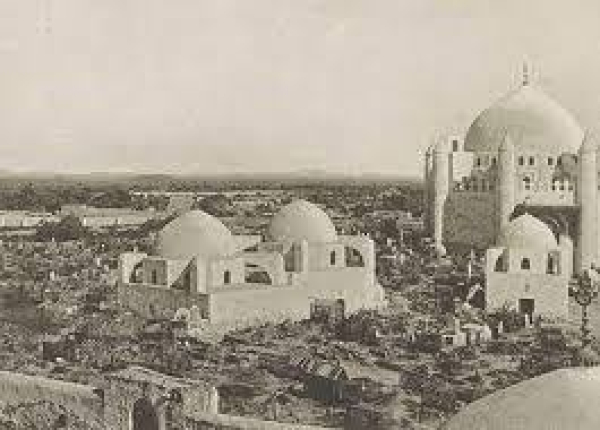
The Blessed City of Madinah
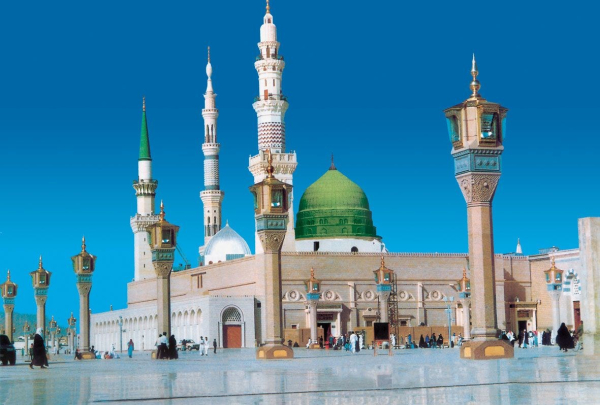
Madinah is located 420 kilometers north of Makkah, in the northern half of the Kingdom of Saudi Arabia.
Since ancient times, Madinah was situated along the trade route between Makkah and Syria, and it witnessed the presence of the Prophet’s ancestors as well as the Prophet’s youth during journeys to Syria.
Before Islam, it was called Yathrib, and by the blessing of the Prophet’s presence, it was named Madinat al-Rasul (the City of the Prophet).
After the Prophet (peace be upon him) was appointed to his mission at the age of forty, he spent the first 13 years in Makkah. Then, after migrating to Madinah, he devoted the last 10 years of his life there guiding the people.
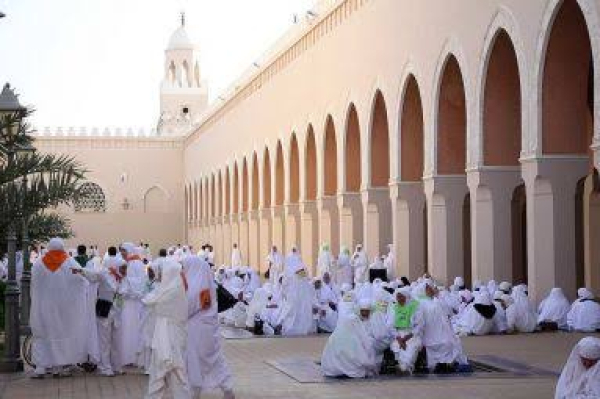
Due to the presence of Al-Masjid an-Nabawi, the sacred resting place of the Prophet (peace be upon him) and Lady Fatimah al-Zahra, Al-Baqi Cemetery, and dozens of other places connected to the Prophet and his family, Madinah holds special love and significance for Muslims.
The Virtues of Ramadan: The Month of Mercy, Forgiveness, and Spiritual Freedom
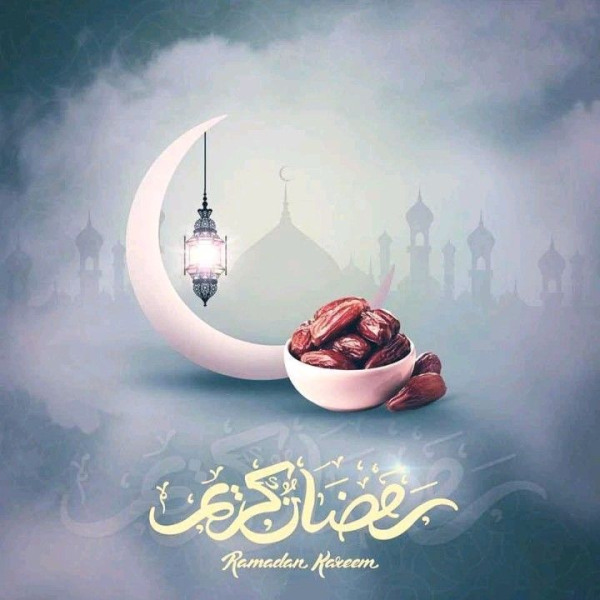
Ramadan is the ninth month of the Islamic lunar calendar and the holiest month in Islam. It is regarded as a divine opportunity for spiritual purification, self-reflection, and strengthening one’s relationship with God. Muslims around the world welcome this month with deep devotion and see it as a renewed season of worship and self-improvement.
1. The Month of the Revelation of the Qur’an
One of the greatest virtues of Ramadan is that the Qur’an was revealed during this month to the Prophet Muhammad (peace be upon him). As the holy book of guidance for humanity, the Qur’an holds a special place in Ramadan. Muslims increase their recitation, reflection, and study of the Qur’an, and many aim to complete its full reading during the month.
2. Laylat al-Qadr: Better Than a Thousand Months
Within Ramadan lies Laylat al-Qadr (the Night of Decree), described in Islamic teachings as better than a thousand months. It is a unique opportunity for prayer, repentance, and seeking forgiveness. Muslims believe that on this night, divine decrees for the coming year are determined. Special night prayers and spiritual gatherings reflect the deep significance of these blessed nights.
3. Fasting: A Practice of Self-Discipline and Piety
Fasting is the central act of worship in Ramadan. From dawn until sunset, Muslims abstain from food, drink, and certain physical needs. However, fasting is not merely physical restraint; it is a spiritual discipline that strengthens self-control and nurtures mindfulness of God (taqwa). Through experiencing hunger and thirst, believers develop empathy for those in need and cultivate compassion and generosity.
4. A Month of Mercy and Forgiveness
Islamic traditions describe Ramadan as a month of mercy, forgiveness, and salvation. It is believed that divine mercy is abundant during this time, and sincere repentance can lead to the forgiveness of past sins. The spiritual atmosphere encourages reconciliation, kindness, and the renewal of faith.
5. Strengthening Social Bonds
Ramadan also has a powerful social dimension. Shared iftar meals, increased charity, paying zakat and zakat al-fitr, and gathering in mosques strengthen community ties. This spirit of unity fosters a more compassionate and spiritually conscious society.
Conclusion
Ramadan is a spiritual school in which patience, piety, generosity, and devotion are cultivated. Its virtue lies not only in abstaining from food and drink, but in inner transformation and drawing closer to God. Those who truly benefit from this blessed month gain spiritual strength that lasts throughout the year.
Does the Quran inform us of the descent of the devils upon whom?
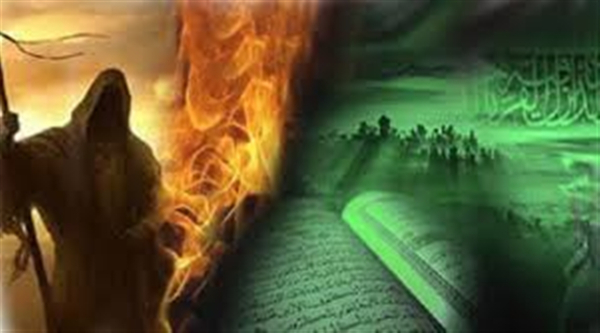
Shall I inform you of whom the devils descend?
They descend upon every sinful liar.
They convey what they hear, and most of them are liars.
(Poems 221 to 223)
From the above verses, one can understand how some people make extraordinary progress in filth and baseness. The poor are the playthings of their sworn enemy, the devils.
Let us fear lies and sin, which are the gateways through which the devils can penetrate our souls and minds.
The traitorous Iranians who are the playthings of the devils, both human and jinn, in foreign media and who constantly spread lies, making people cynical about the authorities and causing them trouble, are clear examples of the above verses.
The Islamic Revolution of Iran; From Early Protests to the Victory of 11 February 1979
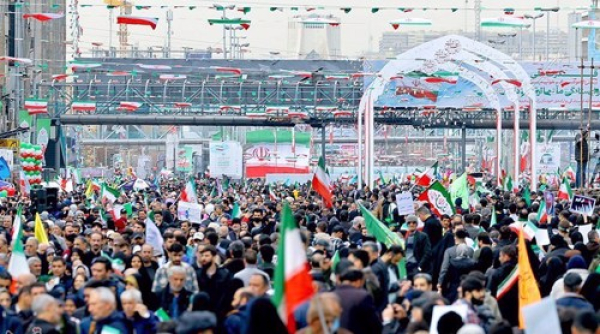
The Iranian Revolution was one of the most significant political events of the 20th century in the Middle East. It culminated in 1357 SH (1979 CE) with the سقوط of the monarchy and the establishment of the Islamic Republic of Iran. The movement was led by Ruhollah Khomeini.
Historical Background
1. Political Dissatisfaction
During the 1340s–1350s SH (1960s–1970s CE), the government of Mohammad Reza Pahlavi implemented modernization programs but faced criticism over political restrictions, limits on party activity, media control, and the role of security institutions.
2. Economic and Social Changes
The sharp rise in oil revenues in the 1350s SH (1970s CE) led to rapid economic growth. However, inflation, widening social inequality, and large-scale rural-to-urban migration created social tensions and public dissatisfaction.
3. Religious and Cultural Factors
A significant segment of the religious community viewed certain cultural and social policies of the government as incompatible with Islamic values. Ayatollah Khomeini’s open opposition began in 1342 SH (1963 CE), which resulted in his exile.
The Course of Events Leading to Victory
The Start of Widespread Protests (1356–1357 SH / 1977–1978 CE)
From late 1356 SH (1977 CE), protests spread across major cities. The traditional practice of holding memorial ceremonies forty days after casualties helped sustain successive waves of demonstrations.
Escalation of the Revolution
In the summer and autumn of 1357 SH (1978 CE), nationwide strikes—especially in the oil industry—placed heavy pressure on the government. Massive demonstrations during the months of Muharram and Safar showed the breadth of the revolutionary movement.
Return of the Revolutionary Leader
On 12 Bahman 1357 SH (1 February 1979 CE), Ayatollah Khomeini returned to Iran after years of exile. The large public استقبال marked a decisive turning point in the revolutionary process.
Final Victory
On 22 Bahman 1357 SH (11 February 1979 CE), the structure of the Pahlavi government collapsed, and the revolution achieved victory.
Outcomes and Consequences
A national referendum in Farvardin 1358 SH (March–April 1979 CE) confirmed the establishment of the Islamic Republic.
A new constitution was drafted and approved.
Iran’s political structure and foreign policy direction changed fundamentally.
Why Is the Islamic Revolution Significant?
It transformed Iran’s political system.
It introduced a model of governance combining religious authority with popular participation.
It had major regional and international impacts.
What is 22 Bahman?
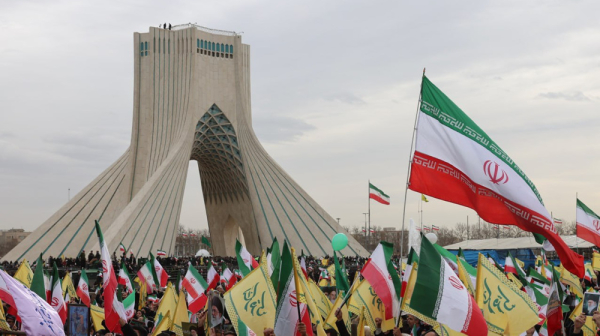
22 Bahman (11 February 1979); The Victory of the Islamic Revolution of Iran
What is 22 Bahman?
22 Bahman 1357 (11 February 1979) is the anniversary of the victory of the Iranian Revolution. It is one of the most important official holidays in Iran and is commemorated annually with nationwide rallies.
Brief Historical Background
In 1357 SH (1978–1979 CE), after months of widespread protests against the rule of Mohammad Reza Pahlavi, the revolutionary movement reached its peak.
On 12 Bahman 1357 (1 February 1979), Ruhollah Khomeini returned to Iran after years of exile, which accelerated political developments.
Finally, on 22 Bahman 1357 (11 February 1979):
Military and government centers fell to revolutionary forces.
The Pahlavi monarchy collapsed.
A new political system, the Islamic Republic, was established.
This date marks the official end of the Pahlavi dynasty and the beginning of the Islamic Republic of Iran.
How Is It Commemorated?
Each year on 22 Bahman (11 February):
Nationwide public rallies are held across Iran.
Official speeches are delivered.
Special cultural and media programs are broadcast.
The day is a public holiday.
The largest gathering is usually held in Tehran, often along the route leading to Azadi Square.
Why Is This Day Significant?
It represents a major turning point in modern Iranian history.
It fundamentally transformed Iran’s political system.
It had significant regional and international consequences.
What does it mean that Hajj becomes “established” (Istiqrār)?
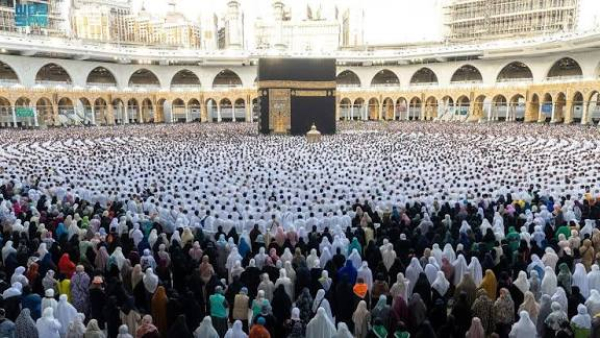
Question: If I was financially able one year but did not go, and later became poor, what is the ruling?
Answer: If all conditions of ability were met and you had the opportunity to go but neglected it, Hajj becomes firmly established upon you as a binding religious duty. Even if you later lose your wealth, the obligation does not lapse. You must perform it whenever you are able—even with normal difficulty. If you are unable until the end of your life, you must make a will for Hajj to be performed on your behalf from your estate.
Does debt prevent Hajj from becoming obligatory?
Question: If I am in debt, can I go to Hajj?
Answer: If your debt is due and the creditor demands payment, and you cannot both repay the debt and perform Hajj without hardship, you are not financially able. However, if the creditor grants you time or you can manage both without serious hardship, Hajj becomes obligatory
What if I lose my financial ability after registering?
Question: For example, if I suffer a financial loss before departure?
Answer: If financial ability is lost before performing the rituals and you can no longer afford the expenses, the obligation is lifted—unless Hajj had already become firmly established upon you .
What is the ruling for those under 18?
Question: If a minor performs Hajj, what is the ruling?
Answer: The Hajj of a minor is valid and rewarded, but it does not fulfill the obligatory Hajj (Hajjat al-Islam). After reaching puberty and becoming financially and physically able, they must perform Hajj again.