zarezadeh
Why is Ali Ibn Abi Talib (a.s) the successor to the Prophet (peace be upon him and his descendants)?

As stated before, the Shia is steadfast in his belief that Caliphate is
„appointed by God‟. They also believe that Imamate after the Prophet
(peace be upon him and his descendants) resembles prophethood in
some aspects. Like the Prophet (peace be upon him and his
descendants), it is Allah, who appoints the Prophet‟s successors.
The chronicle of the Prophet‟s life bears witness to this fact, because
he has introduced Ali (a.s) as his successor in various cases, including:
1- At the advent of his prophetic mission:
When being commissioned to invite his relatives to
monotheism in accordance with the verse االقربين عشيرتك وانذر
(And warn your tribe and near kinsmen)*
, the Prophet (peace
be upon him and his descendants) addressed them as saying,
“Whosoever assists me in this way is my successor,
minister, and executor”.
The Prophet (peace be upon him and his descendants) phrased his
words as saying,
فايكم يوازرني في هذا المر علي ان يكون اخي و وزيري و خليفتي و وصيي فيكم
(Who does assist me in this way to be my brother, minister,
executo, and successor among you?”)
The only one who responded positively to this heavenly
proclamation was Ali (a.s), the son of Abu Talib.
Then, the Prophet (peace be upon him and his descendants) went on,
* ان هذا اخي وصيي و خليفتي فيكم فاسمعوا له و اطيعوه
(He [Ali] is my brother, executor, and successor among you;
listen to his words and follow him”.)
2- In Tabuk battle:
The Prophet (peace be upon him and his descendants) told Ali (a.s),
** اما ترضي ان تكون مني بمنزله هارون من موسي اال انه النبي بعدي
*
Shoara Sura, verse no. 214
* Tarikh Tabari, vol.2, p. 62-63; Tarikh Kamel, vol.2, p.40-41; Mosnad Ahmad,
vol.1, p.111; A Commentory on Nahjul Balaghah, Ibn Abil Hadid, vol.13, p.210-12.
** Sireh, Ibn Hesham, vol.2, p.520; Alsavaegh Ul-Mohareghah, Ibn Hejr, section 9,
chapter 2, p.121
(“Are you not pleased to know that you are to me like Aaron to
Moses, except that there will exist no prophet after me”.)
It denotes that as Aaron was the immediate successor of Moses, Ali
(a.s) was the Prophet‟s successor, too.
3-In the 10th year of Hijrah:
When returning from his last pilgrimage to Mecca, the Prophet
(peace be upon him and his descendants) introduced Ali (a.s) as the
Muslims and believers‟ guardian in a region, called „Ghadir Khum‟ in
a big congregation as saying,
من كنت مواله فهذا علي مواله
(“Henceforth, Ali is the guardian of those I have been their
guardian”.)
To begin with, the Prophet (peace be upon him and his descendants)
stated,
الست اولي بكم من انفسكم؟
(“Am I not superior to your selves than you?) And the Muslims
stood up confirming him unanimously. Therefore, the term مولي
(guardian) in this hadith signifies the superiority and the guardianship
over the believers. From this statement, it is deduced that the Prophet
(peace be upon him and his descendants) highlighted the same
guardianship position of himself for Ali (a.s). It occurred on the same
day that Hasan Ibn Thabet versified the historical movement of
„Ghadir‟ and composed the following poems:
يناديهم يوم الؽدير نبيهم بخم واسمع بالرسول مناديا
فقال فمن موالكم و نبيكم؟ فقالوا و لم يبدوا هناك التعاميا
الهك موالنا وانت نبينا ولم تلق منا في الواليه عاصيا
فقال له: قم يا علي فانني رضيتك من بعدي اماما و هاديا
فمن كنت مواله فهذا وليه فكونوا له اتباع صدق مواليا
* هناك دعا: اللهم وال وليه وكن للذي عادي عليا معاديا
Ghadir hadith is one of the Islamic successive hadiths, which, in addition to the Shia illuminate figures, has been narrated by
about 360 Sunni Scholars (for instance, refer to the book „Savaeq Ul-
Moharaghah‟, Ibn Hajr, Section 9, Chapter 2, p.122), and there exist
the documents, which show the approval of 110 of the Prophet‟s
disciples. Besides, 26 brilliant learned have written separate books
concerning the documents, proving the authenticity of this hadith.
Abu Jafar Tabari, the famous Muslim historian, has collected the
documents, dealing with this theme in two thick volumes. For further
information, refer to the book „Al-Ghadir‟.
Book: Shis responses
* Al Managhib, Kharazmi Maleki, p.80; Tazkerah Khas Al-Oma, Sebt Ibn Jozi
Hanafi, p. 20; Kefayatul Talib, Ganji Shafei, P.17,
Hamas 'insists' on full implementation of first phase of Gaza ceasefire
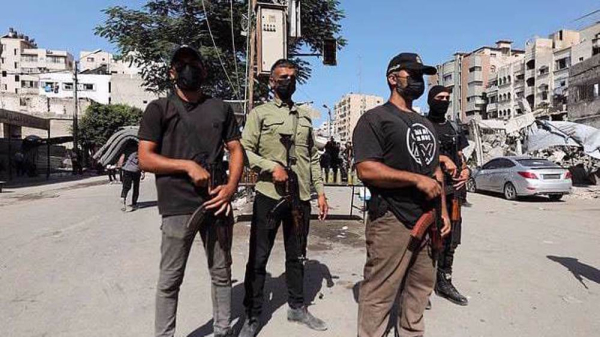
The Palestinian resistance movement Hamas has reaffirmed its commitment to completing the first phase of the ceasefire agreement with Israel.
In a statement on Saturday, Hamas said the truce “is holding, and the withdrawals of the occupation army are continuing according to the agreement.”
“We insist on completing the implementation of the first phase of the ceasefire agreement,” the statement read.
Hamas said it is working to remove any pretexts that could allow the Israeli regime to violate the ceasefire’s terms. It also said efforts are underway with mediators to locate the bodies of Israeli captives held in Gaza and to advance the prisoner exchange process.
“We continue our contacts with mediators regarding the prisoner file in an effort to achieve a breakthrough,” it added.
In a separate statement, Hamas political bureau member Izzat al-Rishq reiterated the resistance group’s “firm commitment to dedicating all our capabilities and efforts to serving our people and providing them with relief in the Gaza Strip.”
This, he said, will be done “despite the massive destruction left by the war and the lack of all basic necessities for normal life in the Strip.”
A multi-stage roadmap for the first phase of a ceasefire deal between Hamas and Israel was finalized on Thursday. Both sides confirmed that the ceasefire went into effect on Friday.
The first phase of the deal, proposed by US President Donald Trump, is expected to see the release of all 20 living Israeli captives and the beginning of the handover of deceased captives, in exchange for around 250 Palestinian prisoners and 1,700 detainees from Gaza.
Israel blocks release of two prominent Palestinian doctors as part of Gaza ceasefire
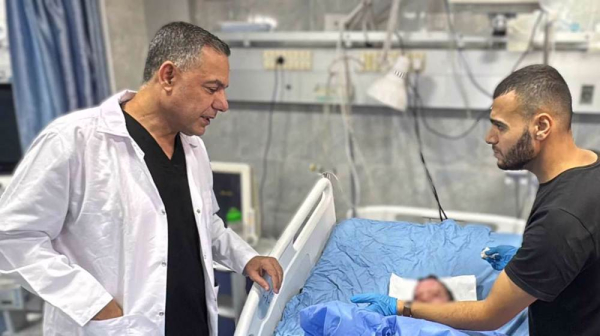
Israel has refused to release two prominent Palestinian doctors — including the pediatrician Dr. Hussam Abu Safiya — as part of a ceasefire and prisoner exchange agreement with Hamas, a report says.
A Hamas official told CNN on Friday that “the occupation refused to release Dr. Hussam Abu Safiya,” who was kidnapped during an Israeli raid that closed the last major functioning health facility in northern Gaza in December 2024. Abu Safiya served as the director of Kamal Adwan Hospital in Gaza.
Dr. Marwan al-Hams, director of field hospitals in Gaza, was also excluded from the deal, the official said.
Under the agreement reached on Wednesday, Hamas is set to release 48 Israeli captives held in the Gaza Strip, 20 of whom are believed to be alive. In exchange, Israel must free 250 Palestinian prisoners serving life sentences and 1,700 Gazans detained after October 7, 2023.
Students arrested in Morocco for having 'free Palestine' printed on soccer shirts
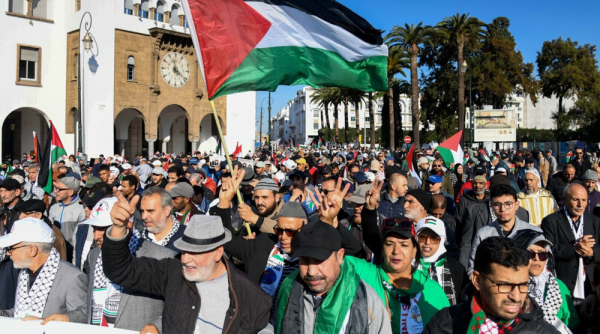
Two students, along with the owner of a printing shop in Morocco, have been taken into custody for purportedly “displaying provocative slogans” after they adorned two national football team shirts with messages advocating for Palestine and the social demands of GenZ 212 youth movement protesters.
Far-right Israeli minister Smotrich vows to vote against Gaza ceasefire deal

Far-right Israeli finance minister Bezalel Smotrich has expressed his opposition to a ceasefire deal with the Palestinian Hamas resistance group, saying he will vote against the agreement that brings an end to the genocidal war on the Gaza Strip.
Smotrich made the remarks in an X post on Thursday shortly after Israel and Hamas agreed to the first phase of the ceasefire plan proposed by US President Donald Trump, which includes the withdrawal of the occupation forces from Gaza, the entry of aid to the besieged territory, and the exchange of Israeli captives with Palestinian abductees.
The extremist minister, who has a history of making hawkish remarks, said he “cannot join in shortsighted celebrations or vote in favor of the deal” due to what he called “immense fear of the consequences of emptying the [Israeli] prisons.”
He further said that immediately after the return of captives, Israel should continue the war for “the real eradication of Hamas.”
The Israeli "security cabinet" is set to meet this afternoon to be briefed on the Gaza ceasefire agreement, with the full cabinet meeting afterward to vote on the deal.
An unnamed Israeli official has told CNN that the vote will only be on a prisoner exchange, and not the entire truce framework.
Meanwhile, Israel’s ambassador to the US, Yechiel Leiter, said that once Israel’s "security cabinet" convenes, there will be a 72-hour countdown for Hamas to release the remaining living Israeli captives held in Gaza.
The ceasefire announcement followed three days of indirect negotiations in Egypt on Trump’s 20-point plan for the Gaza Strip.
What does the term „Shia‟ mean?
The answer:
The term „Shia‟ in the Arabic language means the „follower‟. The
holy Quran in this regard says, البراهيم شيعته من ان و) Abraham is one
of the followers of Noah)
*
. But in the Muslims‟ terminology, the
term „Shia‟ is applied to a group of Muslims, who believe that the
Prophet of Islam (peace be upon him and his descendants) had
appointed his successor and the Muslims‟ Caliph before departing this
life in some special occasions, among which happened to be on Zil-
Hajah, 18, the 10th year of Hijrah, known as Ghadir, in a big
congregation, in which he introduced the Muslims‟ political,
scientific, and religious leader. It is noteworthy to say that after the
Prophet‟s demise, Mohajerin (the Migrants) and Ansar (the Helpers)
were divided into two groups:
A group was of the opinion that the Prophet (peace be upon him and
his descendants) had not neglected the issue of Caliphate and thus had
appointed his successor, and that is Ali Ibn Abi Talib (a.s), the first
believer after him.
This group, consisted of some of Mohajerin (the Migrants) and
Ansar (the Helpers), headed by the Bani-Hashem nobilities and
some of the brilliant disciples of the Prophet (peace be upon him and
*
Safat Sura, verse no. 83
his descendants), such as Salman, Abuzar, Meghdad, Khabab Ibn
Arat, etc. They remained steadfast on this belief and were entitled as
Ali‟s Shia.
The honored Prophet (peace be upon him and his descendants), of
course, applied this title to Ali‟s followers in his lifetime, where he
referred to Ali Ibn Abi Talib (a.s) as:
** والذي نفسي بيده، ان هذا وشيعته لهم الفائزون يوم القيامة
(By Allah, Whom my life is in His hand, he [Ali (a.s)] and his
followers are prosperous on the Day of Resurrection.)
Therefore, the term „Shia‟ is applied to a group of Muslims, who
were so-called due to their belief that God appoints His caliphs. This
group has already remained believing in following the Prophet‟s
Ahlul-Bait (a.s).
This fact clarifies the Shia point of view, and therefore, the
baselessness of the biased or ignorant fabricators‟ claims, stating that
Shiism came into existence after the Prophet (peace be upon him and
his descendants) is proved. For further study on the history of Shiism,
refer to the books „Shiism and the principles‟, „Al-Morajeat‟, and
„Ayan Ul-Shia‟.
The other group believed that the Caliphate position is elective;
therefore, they swore allegiance to Abubakr, and later they were
entitled as the Sunnites. Consequently, in spite of a lot of common
points in their principles, major discrepancies occurred to both sides
on the issue of the Caliphate and the Prophet‟s successorship.
Mohajerin (the Migrants) and Ansar (the Helpers) were the
preliminary sources of forming both groups.
Ceasefire deal 'not a favor' by foreign powers, result of ‘enormous sacrifices’ in Gaza: Islamic Jihad
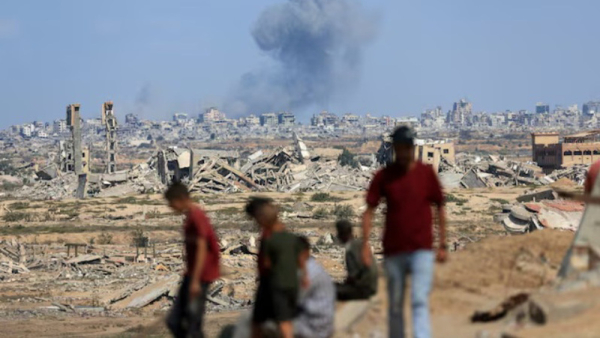
The Palestinian resistance movement Islamic Jihad says the newly reached ceasefire between the Israeli regime and Hamas is a direct outcome of the steadfastness and sacrifices of the Palestinian people, and not a favor granted by foreign powers.
In a statement issued on Thursday, the Gaza-based Islamic Jihad stressed that the ceasefire, including the exchange of the remaining Israeli captives in Gaza with Palestinian prisoners, “are not a gift from anyone,” underscoring that they were achieved through the “sacrifices” and steadfastness of the Palestinian people.
“We emphasize the enormous sacrifices made by our Palestinian people, and the courage and bravery of its fighters on the ground who confronted the enemy forces and showed unprecedented courage in combat,” it said.
The Islamic Jihad also paid tribute to Palestinians killed in the fighting, calling them “great martyrs” whose sacrifices were instrumental in sustaining the resistance movement.
“In these historic moments, our people will not forget their great martyrs who played the most important role in keeping the resistance steadfast,” it stressed.
While the group did not dismiss the role of international efforts in facilitating the ceasefire, it framed the agreement as a testament to Palestinian perseverance rather than diplomatic concessions.
Israel and Hamas reached the deal following three days of indirect negotiations in Egypt. The agreement is aimed at ending two years of genocide in the Gaza Strip based on a proposal forwarded by US President Donald Trump.
Meanwhile, Izzat al-Rishq, a member of the political bureau of Hamas, also said that the ceasefire in the besieged Gaza Strip is the fruit of the great sacrifices and legendary patience of the Palestinian people, and the strength and steadfastness of the resistance.
“This agreement stems from our historical responsibility toward our great people, our commitment to our legitimate rights, and the culmination of our resistance's achievements on October 7,” he stressed,
He also emphasized that the ceasefire agreement is a remarkable national achievement, reflecting the unity of “our people” and their commitment to resistance as a means of confronting the Zionist occupation.
Hamas announced early Thursday that it reached a deal to end Israel’s war on Gaza, secure the occupation’s withdrawal, allow aid deliveries, and facilitate the exchange of the remaining Israeli captives in Gaza with Palestinian prisoners.
The regime launched the genocide on October 7, 2023, after a historic operation staged by Gaza’s resistance fighters against the occupied Palestinian territories. Al-Aqsa Flood saw the fighters storm Israeli bases and take hundreds of Zionists captive.
More than 67,000 Palestinians, mostly women and children, have been killed in Israeli attacks across Gaza since then.
Press TV’s website
Israeli military warns Palestinians against returning to northern Gaza as strikes continue despite ceasefire
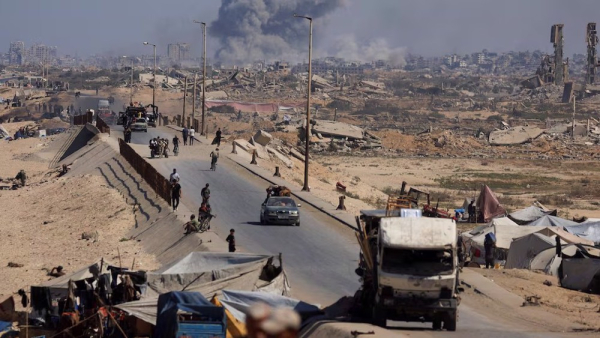
The Israeli military has warned Palestinians not to return to northern Gaza, as it carries out fresh airstrikes across the blockaded territory despite a newly announced ceasefire meant to halt the genocidal war.
In a statement on Thursday, the Israeli military’s Arabic-language spokesperson, Avichay Adraee, claimed that the area north of Wadi Gaza - the valley dividing the central and northern regions of the war-torn territory- remains “a dangerous combat zone.”
He stressed that Israeli troops continue to encircle Gaza City, warning that returning to the area poses a severe risk as the area is “still considered a dangerous combat zone.”
Adraee further urged Palestinians to stay away from northern Gaza and from locations where Israeli forces are active across the territory, including its southern and eastern parts, until further official guidance is issued.
“For your safety, refrain from returning north or approaching areas where [Israeli forces] are stationed and operating throughout the sector, including in the south and east of the sector, until official instructions are issued,” he stressed.
Despite reports of a ceasefire deal, Israel continues its military assaults across the besieged Gaza Strip.
Israeli airstrikes targeted western Gaza City, hitting at least one home in the Shati refugee camp, according to Al Jazeera Arabic. Furthermore, Israeli forces detonated an explosive-laden armored vehicle near residential areas in the Sabra neighborhood, south of Gaza City.
Everything about Saqlayn hadith
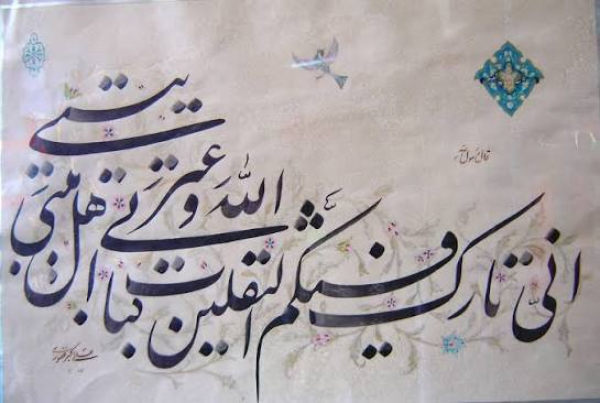
Which one is accounted as the authentic phrase [in Saqlayn hadith]:
وعترتي) and my household) or وسنتي) and my tradition)?
In their Hadith books, the narrators have recorded Saqlayn hadith,
which is of high credit, in two versions, and now, we are about to find out
the authentic one:
1st.بيتي اهل وعترتي هللا كتاب) God‟s Book and my household)
2nd. وسنتي هللا كتاب) God‟s Book and my tradition)
The answer:
The Prophet‟s true and authentic hadith is the one, which includes the
phrase بيتي اهل و) and my household), and the authenticity of its
documentary sources is beyond doubt, while the documents, presented for
سنتي و) and my tradition) seem unsound.
The evidence of the phrase بيتي اهل و) and my household):
Two grand narrators have narrated the following text:
1- In his book, entitled „Sahih‟, Moslem narrates from Zeid
Ibn Argham that once the Prophet (peace be upon him and
his descendants) delivered a sermon next to Khum, a pool in
a region between Mecca and Medina, in which he praised
God and admonished the people as saying,
اال ايها الناس، فانما انا بش ٌر يوشك ان ياتي رسول ربي فاجيب و انا تارك فيكم ثقلين :
اولهما كتاب هللا فيه الهدي و النور، فخذوا بكتاب هللا و استمسكوا به – فحث علي كتاب هللا
و رؼب فيه ثم قال : و اهل بيتي، اذكركم هللا في اهل بيتي ، اذكركم هللا في اهل بيتي ،
* اذكركم هللا في اهل بيتي
(O, people! Verily, I am a man, and soon the angel of death
will come to me, and I will submit myself to his call. I leave
behind two invaluable things: the Divine Book, which is the
light and guidance, so adhere to it. He then went on, and my
household, and my household, and my household.)
Darami in his „Sonan‟ has recorded this sermon, too,** and the
authenticity of these two documentary sources is beyond doubt.
2-Tirmizi has also narrated this hadith with the phrase بيتي اهل عترتي و
(and my household) as follows,
اني تارك فيكم ما ان تمسكتم به لن تضلوا بعدي؛ احدهما اعظم من االخر: كتاب هللا حبل
ممدود من السماء الي االرض و عترتي اهل بيتي ، لن يفترقا حتي يردا علي الحوض،
* فانظروا كيؾ تخلفوني فيها
(I leave behind among you two things. You will never go astray
if you hold fast to them; and one of them is greater than the
other: the Book of Allah, which is a string from the heaven to
the earth, and my household (Ahlul-Bait). They will never be
separated from each other until they join me at the pond.
Beware how you will treat my trusts.)
This proves the authenticity of our assertion that Moslem and
Tirmizi, the authors of „Sahih‟ and „Sonan‟, have highlighted the
phrase بيتي اهل و) my household), and its authenticity is beyond doubt.
The evidence of the phrase وسنتي) and my tradition):
The tradition, having applied the phrase وسنتي) and my tradition), is a
fake, and in addition to its unsound documents, it is believed that the
Umayyad agents have faked it:
1- In his „Mostadrak‟, Hakem Neishaburi has narrated the below
tradition from the following narrators:
Abbas Ibn Abi Ovays narrated from Abi Ovays from Thur Ibn
Zeidul Deilami from Akramah from Ibn Abas that the holy Prophet
(peace be upon him and his descendants) said,
* يا ايها الناس إني قد تركت فيكم، ان اعتصمتم به فلن تضلوا ابدا: كتاب هللا و سنه نبيه
(O, people! I leave behind two things; you will never go astray
if you hold fast to them: the Book of Allah and His Prophet‟s
tradition.)
Ishmael Ibn Abi Ovays and Abi Ovays, the father and the son, twoof the narrators of this hadith, are not only unreliable, but also charged
of forgery and lie.
The genealogists’ views on them:
Hafez Mazi, a genealogical scholar, in his book, entitled „Tahzibul
Kamal‟ writes about Ishmael and his father as such:
“Yahya Ibn Moe‟en (one of the great scholars in the field of
genealogy) believes that Abi Ovays and his son are unreliable”. He
has been narrated as saying that they have committed breach of trust
about the hadiths. With regard to Abi Ovays‟ son, he said, “He is
unreliable”, and Nesaee believes that Abi Ovays‟ son is unsound and
untrustworthy. Abul Qasem Lalkaee said, “Nesaee has a lot of
assertions against him such as, “his narrations ought to be
abandoned”.
Besides, Ibn Adi (the genealogist) says, “Ibn Abi Ovays has narrated a
number of queer traditions from Malek, his uncle, that nobody
believes in them”.*
Ibn Hejr in the preface of his book „Fath Ul-Bari‟ has asserted,
“One cannot rely on Ibn Abi Ovays‟ narrations, because Nesaee has
reprimanded him”.**
In his book, called „Fathul Molk Ul-Ala‟, Hafez Seyed Ahmad Ibn
Sediq quoted Salmat Ibn Sheid that he had heard from Ishmael Ibn
Abi Ovays saying, “When the people of Medina have a diversity of
opinion about something and fall in two groups, I fake some
traditions”.***
Thus, Ishmael Ibn Abi Ovays in accused of faking hadiths, and Ibn
Moe‟en has ascribed the mendacity to him. In addition, his narrations
have never been recorded in any sound books, including „Sahih‟ by
both Moslem and Tirmizi.
Moreover, Abu Hatam Razi in „Jarh and Tadil‟ writes, “Abu Ovays‟
hadiths have been recorded in some of the books, but no one relies onthem in his debates, because they are not trustworthy”.*
The traditions,
narrated by them, are unsound and in cases, contradict the sound and
authentic ones.
It is worthy to mention that the hadith transmitter, i.e., Hakem
Neishaburi, has rectified the lack of authenticity of the hadith
narrators, so he has not endeavored to rectify it. On the contrary, he
has presented evidence, proving the authenticity of the hadith content,
but this evidence adds invalidity to it, and here is his unsound
evidence:
The second evidence of the phrase سنتي و) and my tradition):
Hakem Neishaburi has narrated the following as Marfu hadith **
from Abu Hurirah,
اني قد تركت فيكم شيئين لن تضلوا بعدهما: كتاب هللا و سنتي و لن يفترقا حتي يردا علي
*** الحوض
Hakem has narrated this hadith with the following chain
of transmission:
Alzabi narrated from Saleh Ibn Musa Al-Talhi from Abdul Aziz Ibn
Rafi from Abi Saleh from Abi Hurirah.
Like the previous one, this hadith is a fake. Saleh Ibn Musa Al- Talha
is one of the narrators, and below are the great genealogists‟ views on
him:
Yahya Ibn Moeen says, “Saleh Ibn Musa is not reliable”. Abu
Hatam Razi reprimands him as saying, “his narrations are not sound,
and he ascribes some invalid statements to the trustworthy individuals.
Nesaee believes, “his narrations ought to be abandoned ”.*
In „Thahzib Ul-Tahzib‟, Ibn Hejr refers to Ibn Habaen as saying,
“Saleh Ibn Mosa ascribes some statements to the trustworthy
individuals, while they have no conformity with their speech”. He
then adds, “his narrations are not reliable, and Abu Naeem also
believes that his narrations should not be trusted, because he alwaysnarrated null and void narrations”.** Also, Ibn Hejr in
„Taqrib‟***writes, “his narrations are abandoned”, and Zahabi in
„Kashef‟****says, “His narrations are unreliable”. He also in „Mizan
Ul-Etedal‟*
has quoted the above-mentioned tradition, asserting that it
was one of Salih‟s invalid traditions.
The third evidence of the phrase وسنتي) and my tradition):
Ibn Abdul Ber in „Tamhid‟ **has recorded the same tradition with
the following chain of transmission:
Abdul Rahman Ibn Yahya narrated from Ahmad Ibn Saeed from
Mohammed Ibn Abraham Aldabili from Ali Ibn Zeidul Faraezi, from
Al-Honaini from Kathir Ibn Abdollah Ibn Amro Ibn Ouf from his
father from his grandfather.
With regard to Kathir Ibn Abdollah, Imam Shaffee said, “He is one
of the pillars of mendacity”.*** Abu Dawud also asserted, “He is of the
liars”. Ibn Haban stated, “Abdollah Ibn Kathir has narrated a book of
traditions from his father and grandfather which is a fake from the
base, and any excerption from the book or narration from Abdollah is
prohibited, save for criticism or rebuttal”.****
Nesaee and Darul Ghatna are of the opinion that his narrations are
unreliable, and Imam Ahmad confirms that his narrated hadiths are
unsound and therefore, rejected, and Ibn Moe‟en is of the same
opinion.
It is a wonder that Ibn Hejr in „Al- Taghrib‟ has only sufficed it to
describe him as „unsound‟ and has called those who have charged him
with mendacity as extravagant, whereas the leaders of genealogy have
accused him of mendacity and fake; as Zahabi says, “his words are
invalid and unfounded”.
The narration with no evidence:In his „Al-Movata‟, Malek has narrated this tradition without
evidence or chain of transmission, and it is evident that such a
tradition is of no credit.*
This study clearly proves that the mendacious
narrators or the Umayyad agents through imitating the real hadith
have faked this hadith. Due to this fact, the mosque speakers and
preachers have to abandon this tradition, which has not been narrated
by the Messenger of God, and instead, acquaint the people with the
sound tradition; the tradition, which Moslem has recorded in his
„Sahih‟ as بيتي اهل) my household) and Tirmizi as بيتي اهل و عترتي) my
household and Ahlul-Bait). Moreover, the seekers of knowledge
should study the hadith science so as to distinguish the sound hadiths
from the unauthentic ones.
It is noteworthy to mention that what the Prophet (peace be upon
him and his descendants) meant by the phrase بيتي اهل was his
household, such as Fatima, Hasan, and Hussein (a.s), because Moslem
in his „Sahih‟ *
and Tarmazi in his „Sonan‟ ** have quoted from
Ayesha as saying,
نزلت هذه االية علي النبي – صلي هللا عليه [ و آله ] وسلم – انما يريد هللا ليذهب عنكم
الرجس اهل البيت و يطهركم تطهيرا ، في بيت ام سلمة ، فدعا النبي – صلي هللا عليه [ و
فاطمة و حسناً و حسيناً آله ] وسلم – فجللهم بكساء و علي خلؾ ظهره فجلله بكساء ثم قال
م تطهيرا. قالت ام سلمه و انا معهم يا ً : اللهم هوالء اهل بيتي فاذهب عنهم الرجس و طهره
نبي هللا ؟ قال : انت علي مكانك و انت الي خير.
انما يريد هللا ليذهب عنكم الرجس اهل البيت و يطهركم تطهيرا verse The(
(Allah only desires to keep away the uncleanliness from you, O,
People of the house! And to purify you a thorough
purification)was revealed in the house of Omme Salameh.
Then, the holy Prophet (peace be upon him and his
descendants) covered Fatima (a.s), Hasan, and Hussein under
the cloak while Ali was behind him. He also covered Ali with
the cloak and said, “O, my Lord! These are my household.
* Al- Movata, Malek, p.889, hadith no.3
*
Sahih, Moslem, vol.4, P. 1883, hadith no.2424.
** Sonan, Tirmizi, vol.5, P.663
Remove from them the impurity and purify them”. Then,
Omme Salameh asked the Prophet (peace be upon him and his
descendants), “Am I considered as your household?” and the
Prophet (peace be upon him and his descendants.s) replied,
“Stay in your place (Do not come under the cloak); you are on
the way of goodness”.)
The concept of Saqlayn hadith:
Two conclusions are drawn from the fact that the holy Prophet
(peace be upon him and is descendants) mentioned his household
alongside the holy Quran, and then called both of them as the Divine
authority over his nation:
1- Like the holy Quran, the words of the Prophet‟s household serve
as the Divine authority, and they must adhere to them in the religious
affairs. Although the Muslims were divided into two groups on the
issue of Caliphate and the management of the nation‟s political affairs
after the Prophet‟s demise and each of them had their own ideologies,
there remains no room for any difference among them on the Ahlul-
Bait (a.s) as the religious authority, because all of them agree on the
validity of Thaqlayn hadith, which calls for the holy Quran and the
Prophet‟s household as the source of ideology and Divine laws. It is
evident that if the Islamic nations act in accordance with this hadith,
their differences will be less and less, and as a result, they will reach
to unity.
2- The holy Quran is immune from the error, because it is the Word
of God, and He describes it as such,
* ال ياتيه الباطل من بين يديه و ال من خلفه تنزيل من حكيم حميد
(No falsehood finds way to it in the present or future; the
descending of it is by the Source, the Wisdom, the Praised.)
If the holy Quran is immune from the error, its mate should be so,
because it is not sensible that the fallible or sinful persons
accompany the Divine Book.
*
Foselat Sura, verse no. 42
** Ale-Imran Sura, verse no. 42
This tradition certifies the infallibility of the Prophet‟s household,
but it is noteworthy to mention that infallibility is not always
accompanied with prophecy. There are some infallible persons who
are not the prophets. In accordance with the verse,
** إن هللا اصطفاك و طهرك واصطفاك علي نساء العالمين
(Allah has chosen you and purified you and has preferred you
over the women of the world), the holy Mary is pure from
sins, but not the prophet.
Book: Shia responses
Hamas slams ‘unprecedented Arab failure’ as Gaza marks 2 years of Israel’s genocidal war
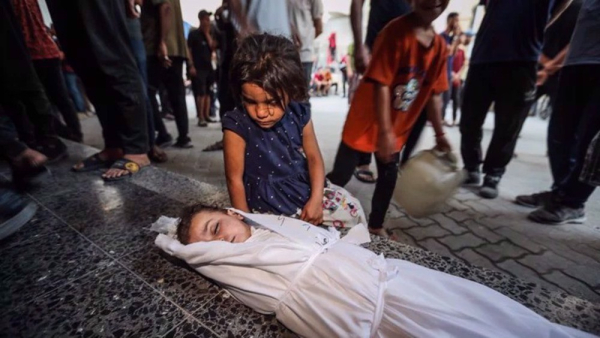
On the second anniversary of Israel’s genocidal war on Gaza, the Palestinian resistance movement Hamas says the regime's forces continue to perpetrate massacres against defenseless Palestinians amid “shameful international silence and unprecedented Arab failure.”
In a statement issued on Tuesday, Hamas described the October 7, 2023, Al-Aqsa Flood Operation as “a major turning point in the political and military landscape of West Asia.”
On that day, the resistance movement launched an unprecedented attack against the occupying regime. Hours later, Israel unleashed the campaign of genocide and ethnic cleansing in Gaza. Ever since, over 76,000 Palestinians have been killed or gone missing.
Israel continues to commit “massacres against defenseless civilians, amid shameful international silence and complicity and unprecedented Arab failure," read the statement by Hamas.
"Two years on, our people remain rooted in their land, clinging to their legitimate rights in the face of plans for liquidation and forced displacement,” Hamas said, praising Palestinians’ “steadfastness, resistance, and heroism.”
The statement also reaffirmed Hamas’s commitment to defending Palestinian rights and resisting occupation, reiterating that “popular steadfastness” remains the backbone of the struggle.
Gaza Health Ministry shares grim toll on civilians, healthcare
Meanwhile, the Health Ministry in Gaza released alarming new figures on the human and infrastructural toll of Israel’s two-year offensive.
According to the ministry, at least 67,173 Palestinians have been killed, including 20,179 children, while 169,780 others have been wounded over the last two years.
The number of medical personnel killed has risen to 1,701, with 362 others detained under conditions described as “forced disappearance.”
The report also highlighted the worsening famine in Gaza, with 460 deaths from starvation and malnutrition, including 154 children. More than 51,000 children under the age of five are suffering from severe malnutrition.
Gaza’s healthcare infrastructure has also been devastated by the regime’s attacks on hospitals and medical facilities, worsened by Israel's blockade that restricts essential supplies and aid.
Twenty-five out of 38 hospitals are now out of service, and the remaining facilities are operating under extreme pressure. Hospital bed occupancy has soared to 225 percent, compared with 82 percent during the same period last year.
Israel has also destroyed 103 of 157 primary healthcare centers, and more than half of essential medicines are unavailable, while 66 percent of medical equipment is lacking, the ministry said.
As the devastating war enters its third year, Hamas and local health authorities warn that the combined effects of relentless bombardment, a tightening blockade, and a collapsing medical system are pushing the besieged territory toward a “total societal breakdown.”
Hospitals are overwhelmed, food shortages are widespread, and essential services are failing, leaving civilians—especially children, the elderly, and the sick extremely vulnerable.
Officials warn that unless immediate humanitarian access is granted and the violence is halted, the social, economic, and health crises in Gaza could spiral into an irreversible catastrophe.
Press TV’s website