zarezadeh
What should someone do if they pass the Miqat without ihram?
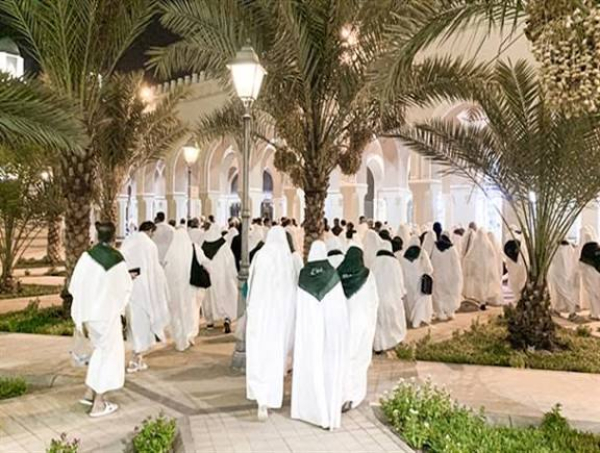
If they remember and are able, they should return to the Miqat and enter ihram properly.
If returning is not possible and they have already entered the Haram without ihram, they must enter ihram in Makkah and offer a sacrifice as compensation for missing the obligation.
What recommended acts should be done before entering ihram at the Miqat?
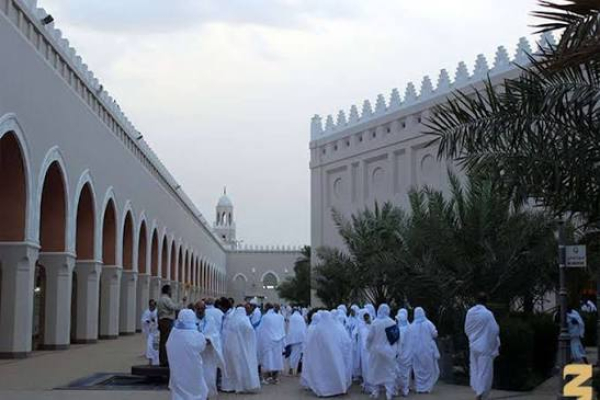
Some important recommended acts include:
• Performing ghusl (ritual bath)
• Trimming nails and tidying hair
• Wearing the ihram garments (two white pieces of cloth for men)
• Performing two rak‘ahs of voluntary prayer for ihram
These actions are not obligatory but carry great virtue.
What intention should be made at the Miqat for Hajj Tamattu‘?
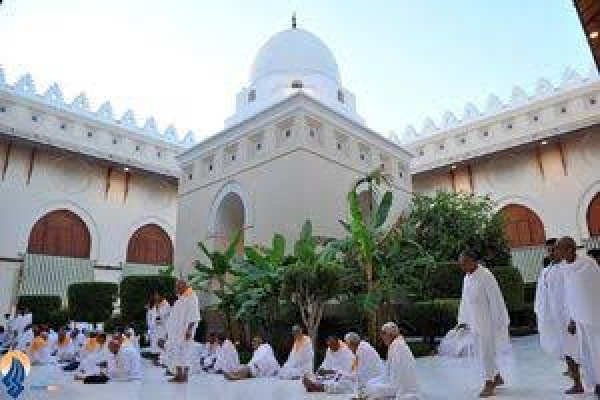
The intention should be for ‘Umrah Tamattu‘, not Hajj itself.
This is because in Hajj Tamattu‘, one performs ‘Umrah first, and then later, at the appointed time, re-enters ihram for Hajj from Makkah.
A heartfelt intention is sufficient, but saying “Labbayka Allahumma ‘Umrah” along with the talbiyah is recommended.
From which Miqat should one enter ihram for Hajj Tamattu‘?

It depends on the route of arrival. For example:
• Residents of Madinah: Dhul-Hulayfah (Abar Ali)
• Residents of Sham: Juhfah
• Residents of Najd: Qarn al-Manazil
• Residents of Yemen: Yalamlam
Nowadays, most Iranian pilgrims coming from Madinah enter ihram from Dhul-Hulayfah.
What is the Miqat, and why must one enter ihram from there?

The Miqat is a designated place established by the Prophet ﷺ where pilgrims must enter into ihram before entering the sacred boundary (Haram) of Makkah.
Anyone intending to perform Hajj Tamattu‘ cannot pass the Miqat without being in ihram. If someone deliberately passes it without ihram, they must return; otherwise, a penalty (fidya, usually a sacrifice) becomes obligatory
What is the ruling if someone changes their intention during the rites?

Changing one’s intention in worship is not permissible if it disrupts the essence of the act.
For example, if a person intended to perform Hajj Tamattu‘, they cannot change it midway to another type without a valid religious reason. The intention must remain consistent from the beginning to the end of the act.
Is a separate intention required for each rite of Hajj (Tawaf, Sa‘i, standing at ‘Arafat, etc.)?

Yes. Each independent act of worship requires its own specific intention.
For example, during Tawaf one must intend the Tawaf of Hajj or ‘Umrah, and during Sa‘i one must intend the Sa‘i between Safa and Marwah. These intentions are also made in the heart and do not require any specific verbal formula
When is intention required for Hajj?
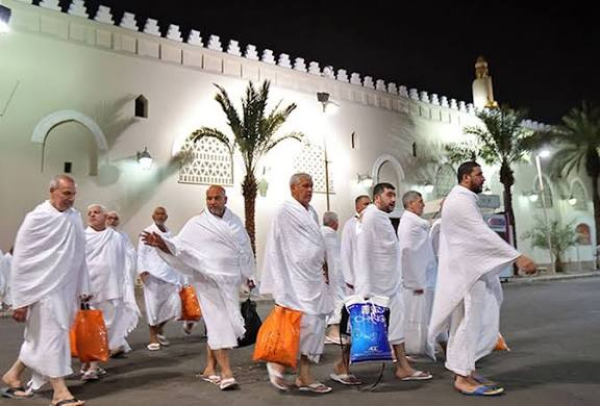
The most important time for making the intention is when entering into ihram at the miqat.
At the moment one puts on the ihram garments and begins reciting the talbiyah, the intention for the specific type of Hajj (Tamattu‘, Qiran, or Ifrad) must be present in the heart.
Must the intention for Hajj be spoken aloud?
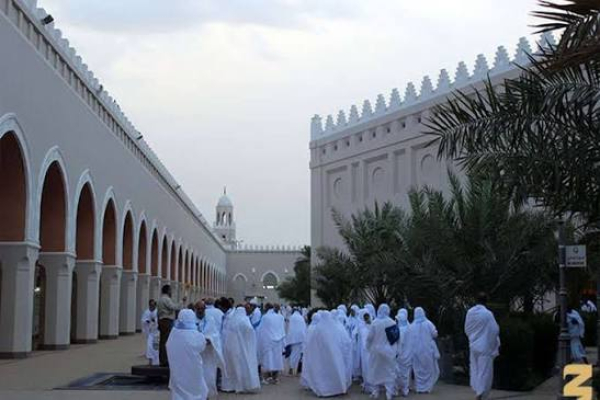
No. The place of intention is the heart, and saying it verbally is not obligatory.
However, many pilgrims pronounce their intention along with the talbiyah at the time of ihram (for example: “Labbayka ...”), which is recommended and helps with focus. Still, the essential intention remains in the heart.
What is intention (niyyah) in Hajj, and why is it important?
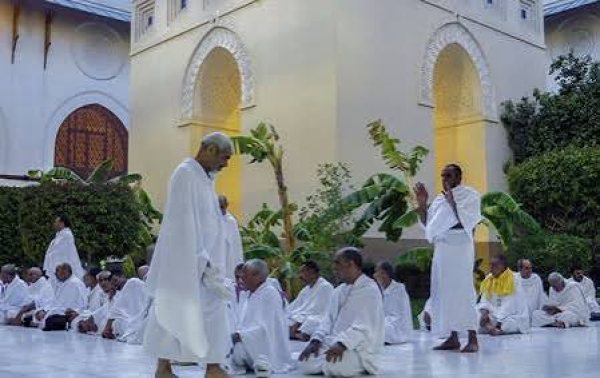
Intention means having a heartfelt resolve to perform Hajj for the sake of obeying Allah.
In acts of worship, intention is a condition for validity. The Prophet ﷺ said: “Actions are judged by intentions.” This means that the value and acceptance of an action depend upon its intention. Without intention, an act of worship is not valid.