zarezadeh
Intention Is the Soul of Ethics

According to al-Ghazālī, two people may perform the same action,
yet one is saved while the other is ruined.
The reason is intention (niyyah):
it can turn a small act into a great one,
or turn a great act into something empty.
Without purifying intention, ethics is only outward religiosity.
? Iḥyāʾ ʿUlūm al-Dīn, Book: Intention and Sincerity (al-Niyyah wa al-Ikhlāṣ)
Moral Vices Are Habits, Not Destiny

One of al-Ghazālī’s most hopeful teachings is:
> No moral trait is unchangeable.
He explains:
bad character is the result of wrong practice,
good character is the result of correct practice.
Just as a person learns bad habits, he can unlearn them —
not through sermons, but through consistent action.
? Iḥyāʾ ʿUlūm al-Dīn, Book: Breaking the Two Desires (Kasr al-Shahwatayn)
Ethics Is Impossible Without Self-Knowledge

Al-Ghazālī insists:
> Whoever does not know his own soul, practices a borrowed morality.
A person must understand:
when desire takes control,
where anger comes from,
how love of the world quietly shapes decisions.
Without this self-knowledge, morality becomes acting a role, not real character.
? Iḥyāʾ ʿUlūm al-Dīn, Book: Training the Soul (Riyāḍat al-Nafs)
Ethics as “Healing the Heart,” Not Just Good Behavior

For al-Ghazālī, ethics is not a list of social rules.
The real problem of the human being is a sick heart, not occasional bad actions.
Lying, envy, anger, and hypocrisy are not the root causes; they are symptoms of inner illness.
Therefore, ethics is like medicine:
first diagnose the disease of the heart, then treat it at its root.
? Iḥyāʾ ʿUlūm al-Dīn, Book: The Wonders of the Heart (Sharḥ ʿAjāʾib al-Qalb)
When Sin Silences the Heart
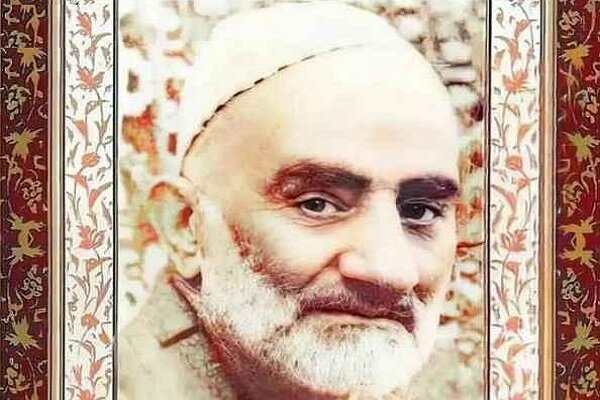
Rajab Ali Khayyat (may God have mercy on him) often emphasized that sin does not distance a person from God all at once; rather, it first blinds the heart. In his view, many people do not lose their way because they fail to recognize the truth, but because their hearts gradually become numb to it. He believed that when a person is careless about their gaze, their speech, and their intentions, they slowly lose the ability to discern right from wrong. At that point, someone may worship for years, yet move in the wrong direction.
The deeper lesson in this teaching is that piety is not merely avoiding outward sins, but preserving the sensitivity of the heart. When the heart is alive, it quickly recognizes mistakes; but when it becomes darkened, even wrongdoing can appear normal and justifiable. This is why Rajab Ali Khayyat placed greater emphasis on inner vigilance and purity of the heart than on the sheer quantity of outward religious acts.
UN sounds alarm over record Palestinian displacement, surge in illegal settler attacks in West Bank
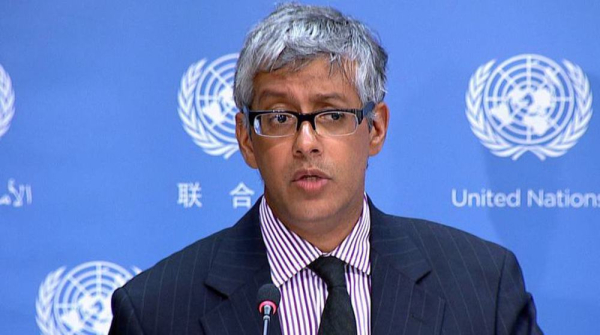
The United Nations has warned about a sharp escalation in Palestinian displacement and violence across the occupied West Bank, citing widespread home demolitions by Israeli authorities and persistently high levels of attacks by illegal settlers.
Speaking at a UN news conference on Friday, Deputy Spokesman Farhan Haq relayed findings from the Office for the Coordination of Humanitarian Affairs (OCHA), stating that more than 1,000 Palestinians had been displaced since the beginning of the year in “Area C” of the West Bank.
The area, which makes up around 60 percent of the territory, remains under near-total Israeli control, including through strict police presence as well as illegal planning and construction.
Haq said the majority of those displaced had lost their homes to demolitions carried out by Israeli officials on the grounds that the structures “lacked” Israeli-issued building permits, which Palestinians are almost never able to obtain.
He emphasized that the scale of the displacement recorded this year represented the second-highest annual figure since OCHA began tracking such data in 2009.
The world body also raised serious concerns over ongoing violence by illegal Israeli settlers.
‘Devastating humanitarian impacts’
According to OCHA’s documentation, settler attacks against Palestinians have continued at high levels throughout the year, producing what Haq described as “devastating humanitarian impacts.”
On average, five settler attacks have been recorded every day so far this year.
Calling for urgent action, Haq stressed the need to protect Palestinians throughout the occupied territory, including in East al-Quds.
He urged measures to halt punitive and other unlawful demolitions and to prevent further attacks by settlers, reiterating the UN’s concern over the deteriorating humanitarian situation on the ground.
Press TV’s website
Why Is There a Difference Between Shiʿi and Sunni Wuḍūʾ?
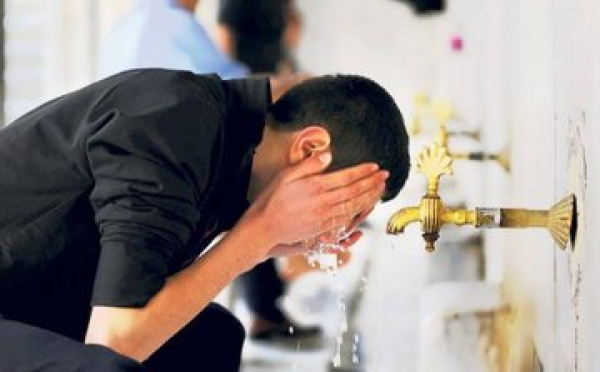
One of the common questions among Muslims is why Shiʿi and Sunni wuḍūʾ (ablution) differ, especially regarding whether the feet are wiped or washed.
The answer does not lie in having different Qur’ans, but rather in different methods of understanding religious sources.
---
1. One Qur’an, Different Interpretations
All Muslims agree on the verse of wuḍūʾ:
Arabic:
> ﴿يَا أَيُّهَا الَّذِينَ آمَنُوا إِذَا قُمْتُمْ إِلَى الصَّلَاةِ فَاغْسِلُوا وُجُوهَكُمْ وَأَيْدِيَكُمْ إِلَى الْمَرَافِقِ وَامْسَحُوا بِرُءُوسِكُمْ وَأَرْجُلِكُمْ إِلَى الْكَعْبَيْنِ﴾
(Qur’an 5:6)
English Translation:
> O you who believe! When you rise for prayer, wash your faces and your hands up to the elbows, and wipe your heads and your feet up to the ankles.
The difference begins with this question:
Is “your feet” (arjulikum) connected to “wash” or to “wipe”?
Should the feet be washed or wiped?
Both views have roots in Arabic grammar, accepted Qur’anic readings, and Islamic narrations.
---
2. The Shiʿi Approach to Wuḍūʾ
Twelver Shiʿa believe that:
1. The apparent wording of the Qur’anic verse indicates wiping the feet, because:
“Arjulikum” is grammatically linked to “wipe” (wa’msaḥū) in the well-known recitation.
2. The Prophetic Sunnah must be understood through the Ahl al-Bayt (the Prophet’s family), who:
Lived closely with the Prophet ﷺ
Are regarded as the most reliable preservers of his practice
3. Numerous narrations from Imam ʿAlī, Imam al-Bāqir, and Imam al-Ṣādiq (peace be upon them) describe the Prophet’s wuḍūʾ as including wiping the feet.
From the Shiʿi perspective, this represents preserving the original Sunnah, not opposing other Muslims.
---
3. The Sunni Approach to Wuḍūʾ
On the other hand, Sunnis:
1. Rely primarily on narrations transmitted by the Companions, such as:
ʿUthmān ibn ʿAffān
ʿAbdullāh ibn Zayd
Abū Hurayrah
2. Many of these narrations describe washing the feet.
3. Some Qur’anic readings and grammatical interpretations are understood to support washing.
Therefore, Sunnis also perform wuḍūʾ based on the Qur’an and the Sunnah of the Prophet ﷺ, not personal preference.
---
4. The Core Difference: Source of the Sunnah
The main point of difference is this:
Shiʿa maintain that the Sunnah must be taken from the Ahl al-Bayt
Sunnis maintain that the Sunnah can be taken from all trustworthy Companions
This methodological difference affects many legal issues, not only wuḍūʾ.
---
5. Does This Mean One Wuḍūʾ Is Invalid?
From the Shiʿi viewpoint:
Shiʿi wuḍūʾ conforms to the apparent meaning of the Qur’an and the teachings of the Ahl al-Bayt.
However, it is important to emphasize:
Sunnis perform wuḍūʾ with sincere intention to follow the Prophet ﷺ
The difference is one of juristic interpretation, not faith or sincerity
For this reason, the issue should not lead to accusations, hostility, or division.
---
6. Conclusion
The difference between Shiʿi and Sunni wuḍūʾ:
Arises from different methods of understanding the Sunnah
Not from disagreement over the Qur’an
And not from disrespect toward the Prophet ﷺ
Both seek to follow the Prophet’s wuḍūʾ,
but they arrive there through two distinct scholarly paths.
> Differences in jurisprudence reflect diversity in understanding, not distance from Islam.
The Quality of the Prophet’s Wuḍūʾ According to the Shiʿi View

In Twelver Shiʿi jurisprudence, the wuḍūʾ (ablution) of the Prophet Muḥammad ﷺ is understood on the basis of the Qur’an, the Prophetic Sunnah as transmitted through the Ahl al-Bayt (peace be upon them), and authentic Shiʿi narrations. Shiʿa Muslims hold that the Ahl al-Bayt preserved the exact wuḍūʾ of the Prophet ﷺ, and that later alterations cannot be attributed to him.
What follows is a systematic and documented presentation of the Prophet’s wuḍūʾ according to Shiʿi sources.
---
1. The Qur’anic Basis of Wuḍūʾ in the Shiʿi View
The Verse of Wuḍūʾ
Arabic:
> ﴿يَا أَيُّهَا الَّذِينَ آمَنُوا إِذَا قُمْتُمْ إِلَى الصَّلَاةِ فَاغْسِلُوا وُجُوهَكُمْ وَأَيْدِيَكُمْ إِلَى الْمَرَافِقِ وَامْسَحُوا بِرُءُوسِكُمْ وَأَرْجُلِكُمْ إِلَى الْكَعْبَيْنِ﴾
(Qur’an 5:6)
English Translation:
> O you who believe! When you rise for prayer, wash your faces and your hands up to the elbows, and wipe your heads and your feet up to the ankles.
Key Shiʿi Interpretive Points
The word “wa arjulikum” (your feet) is read as grammatically connected to “wipe” (wa’msaḥū).
Therefore, the ruling for the feet is wiping (masḥ), not washing.
The order of wuḍūʾ is directly derived from the verse.
---
2. The Order of the Prophet’s Wuḍūʾ in the Narrations of the Ahl al-Bayt (ʿa)
1. Intention (Niyyah)
The intention is in the heart.
Seeking closeness to God (niyyat al-qurbah) is required.
Verbalizing the intention is considered an innovation (bidʿah).
---
2. Washing the Face
From the hairline to the chin.
The width: from the middle of the thumb to the middle of the middle finger.
One wash is obligatory, the second is recommended, and the third is forbidden and invalidates wuḍūʾ.
---
3. Washing the Arms (Right, then Left)
From the elbow down to the fingertips.
Washing must be from top to bottom.
One wash obligatory, second recommended, third forbidden.
---
4. Wiping the Head (Masḥ)
Performed with the remaining moisture of the wuḍūʾ.
Wiping the front portion of the head is sufficient.
Wiping is done once.
Narration:
Arabic:
> قال الإمام الباقر (ع): «يَمْسَحُ بَعْضَ رَأْسِهِ»
English:
> Imam al-Bāqir (peace be upon him) said:
“He wipes part of his head.”
(Al-Kāfī)
---
5. Wiping the Feet
Wiping the upper surface of the feet, not washing them.
From the tips of the toes to the raised area of the foot.
With the remaining moisture on the hands.
Right foot first, then left.
Narration:
Arabic:
> قال الإمام الصادق (ع): «إِنَّمَا هُوَ الْمَسْحُ عَلَى ظَاهِرِ الْقَدَمَيْنِ»
English:
> Imam al-Ṣādiq (peace be upon him) said:
“It is only wiping over the upper part of the two feet.”
(Tahdhīb al-Aḥkām)
---
3. Characteristics of the Prophet’s Wuḍūʾ According to Shiʿa
? Wiping the Feet Instead of Washing
One of the most distinctive differences from Sunni practice.
Based directly on the Qur’an and the Sunnah of the Ahl al-Bayt.
? Direction of Washing the Arms
From elbow to fingertips.
Washing in the opposite direction invalidates wuḍūʾ.
? Prohibition of Excess and Repetition
Washing an organ three times is considered an innovation and invalidates wuḍūʾ.
---
4. Key Narrations from the Ahl al-Bayt (ʿa)
Narration from Imam ʿAlī (ʿa)
Arabic:
> قال أمير المؤمنين (ع): «هٰذَا وُضُوءُ رَسُولِ اللَّهِ ﷺ»
Then he demonstrated wuḍūʾ including wiping the feet.
English:
> Imam ʿAlī (peace be upon him) said:
“This is the wuḍūʾ of the Messenger of Allah ﷺ.”
Then he performed wuḍūʾ and wiped his feet.
(Al-Kāfī, vol. 3)
---
Narration from Imam al-Bāqir (ʿa)
Arabic:
> قال الإمام الباقر (ع): «لَوْ كَانَ غَسْلُ الرِّجْلَيْنِ وَاجِبًا لَذَكَرَهُ اللَّهُ فِي الْكِتَابِ»
English:
> Imam al-Bāqir (peace be upon him) said:
“If washing the feet were obligatory, Allah would have mentioned it in the Book.”
(Tafsīr al-ʿAyyāshī)
---
5. The Amount of Water Used in the Prophet’s Wuḍūʾ
The Prophet ﷺ performed wuḍūʾ with one mudd of water or less.
Emphasis on simplicity and avoidance of waste.
---
Conclusion (Shiʿi Perspective)
According to Twelver Shiʿi jurisprudence:
The Prophet’s wuḍūʾ ﷺ conforms precisely to the apparent meaning of the Qur’an.
Washing: face and arms
Wiping: head and feet
Order and continuity are obligatory.
The Prophet’s wuḍūʾ was simple, brief, and exact.
Hamas slams Israeli decision to legalize 19 settlements in occupied West Bank
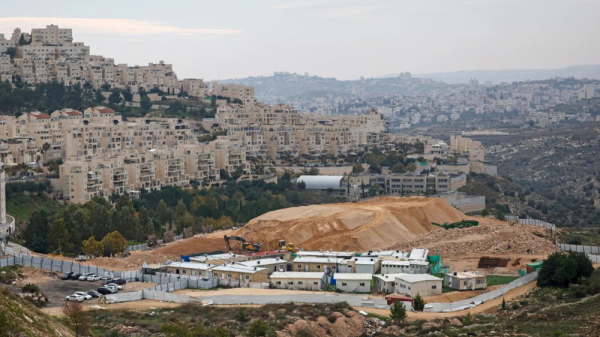
The Palestinian resistance movement Hamas has strongly condemned an Israeli plan to legalize at least 19 Israeli settlements in the occupied West Bank.
In a statement released on Friday, Hamas said the move “constitutes a dangerous escalation in the annexation and Judaization project” of Palestinian territory.
“It reflects the extremist nature of the government, which treats Palestinian land as colonial spoils and desperately seeks to entrench a settlement reality, ultimately aiming for complete control over the West Bank,” the statement read.
The resistance group called the decision a “blatant violation of international law and Security Council resolutions,” and called upon the international community, the United Nations, and human rights organizations to assume their responsibilities in the face of this unchecked colonial behavior of Israel.
The condemnation followed after Israel’s so-called security cabinet on Thursday. approved a plan by Israel's extremist finance minister Bezalel Smotrich, to legalize 19 settlements in the occupied West Bank.
This comes as the Israeli regime presses ahead with its aggressive plans to seize more Palestinian land in the occupied West Bank.
The plan allocates the funds across new and recently authorized settlements as well as dozens of existing communities and outposts currently undergoing legalization.
The move has drawn immediate condemnation from Palestinian officials and the international community, with Wasel Abu Yousef, a member of the Palestine Liberation Organization’s Executive Committee, saying, “All the settlements are illegal…and they are contrary to all the resolutions of international legitimacy.”
Presidential spokesman Nabil Abu Rudeineh has said the decision represents “a dangerous escalation that destroys any chance for peace and directly challenges international legitimacy.”
Palestinians have also described the plan as “ethnic cleansing by other means.”
The Israeli regime has escalated its West Bank violence and settlement expansion since October 7, 2023, when it launched a genocidal war on Gaza. Since then, Israeli forces and settlers have killed hundreds of Palestinians in the occupied territory.
Gaza death toll surges past 70,000
Separately, Hamas said in an update on Friday that the toll of the Israeli aggression against the besieged Palestinian territory had risen to 70,373 martyrs and 171,079 injuries since October 7, 2023.
A number of victims are still under the rubble and on the roads, as ambulance and civil defense crews are unable to reach them until now, it added.
Israel and the Palestinian resistance group agreed in October to the truce intended to increase the flow of aid into the besieged strip, which has been devastated by nearly two years of Israel's genocidal war.
Since the ceasefire, Palestinians have been able to recover at least 627 bodies.
Despite the ceasefire, the Israeli attacks have continued; at least 383 Palestinians have been killed in Israeli attacks and airstrikes across Gaza since October 10.
This comes as Israel still controls more than half of the blockaded Palestinian territory.
Large parts of the besieged Palestinian territory remain inaccessible due to the continued presence of Israeli occupation forces.
Press TV’s website
UN General Assembly adopts resolution demanding Israel end Gaza aid restrictions
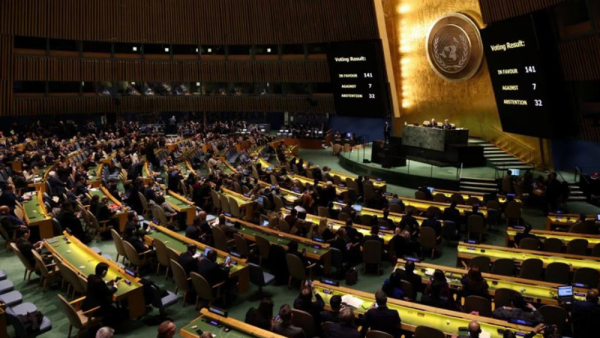
The United Nations General Assembly has adopted a draft resolution urging Israel to provide unrestricted humanitarian access to the Gaza Strip.
Passed on Friday, the resolution also calls on Israel to uphold the integrity of UN premises and comply with its obligations under international law.
This measure was introduced in response to a recent advisory opinion from the International Court of Justice (ICJ), reaffirming Israel's responsibilities as both an "occupying power" and a member of the United Nations.
Backed by Norway and over 12 other states, the resolution received support from 139 countries, while 12 voted against it and 19 abstained.
Ahead of the vote, Norway's Permanent Representative, Ambassador Merete Fjeld Brattested, warned that 2024 was among the "most violent" years in three decades, with 2025 continuing in a similar trend.
She, however, pointed to indications that the current trajectory may ease in the coming year and added, “The situation in occupied Palestine is a particular point in mind."
"Civilians are paying the highest price. Respect for humanitarian principles is eroding. The most fundamental tenets of humanitarian law are under pressure," the Norwegian diplomat said, stressing that advisory proceedings before the ICJ serve as a tool to clarify legal responsibilities.
Brattested emphasized that UN member states had requested clarity on essential questions regarding the delivery of life-saving humanitarian aid to civilians in Palestine.
She also underscored the urgency of the Court’s conclusions by pointing to recent incidents, including Secretary General Antonio Guterres’ denunciation of Israel’s “unauthorized entry” into the headquarters of the UN Relief and Works Agency (UNRWA) for Palestinian refugees, located in occupied al-Quds's Sheikh Jarrah neighborhood.
"As stated by the secretary-general, this is in clear violation of Israel's obligations to respect the inviolability of United Nations premises," she said, urging all member states to back the resolution.
The United Nations International Children's Emergency Fund (UNICEF) on Tues warned that thousands of children in Gaza are acutely malnourished, driven by Israel’s ongoing restrictions on food and humanitarian supplies despite a ceasefire agreement that was supposed to allow aid to move freely.
UNICEF said that roughly 9,300 children have been treated for acute malnutrition in Gaza since October, an alarming figure for a besieged population already pushed to its limits.
The ceasefire between the Palestinian resistance movement Hamas and Israel, which took effect on October 10, 2025, obligated Israel to open border crossings and permit unrestricted entry of food, fuel, and humanitarian supplies.
Yet Israel has ignored these commitments, keeping most crossings shut and allowing only limited shipments into a territory devastated by nearly two years of war and genocide.
Since October 2023, the Israeli army has killed about 70,400 Palestinians, most of them women and children, and injured 171,000 others in the two-year war in Gaza that has reduced much of the blockaded Palestinian territory to rubble.
Press TV’s website