zarezadeh
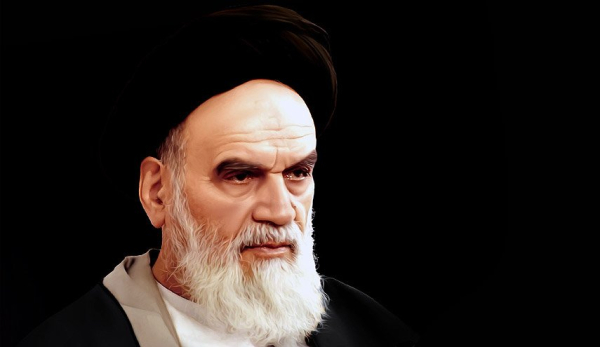
Strategies for expanding Islamic awakening from the perspective of Imam Khomeini (RA)
1- Relying on nations instead of states
Since Imam Khomeini considered the line of nations to be separate from states, he believed that the basis should be the people and the thoughts of the people, and the people should be the focus, not the states...
2- Holding scientific congresses among scholars and thinkers of the world
Inviting scholars and freethinkers from different countries is another way of introducing the Islamic Revolution to the world and neutralizing the enemy's propaganda, and as a result, awakening the nations through them. If diversity is observed in inviting individuals and the criteria for inviting are not only stereotypical and congressional personalities, and if the ground for the presence of enlightened-thinking youth, students, and educators from different countries is provided, perhaps our success will be greater.
3- Mutual relations between countries
In this regard, we can both send our believing and revolutionary forces to different countries and communicate with the people of those countries, and we can also use the presence of foreigners in the cities of our country, so that in addition to familiarizing them with ancient and historical artifacts, we can also introduce the revolution and our school. The Holy Prophet of Islam (PBUH) used to travel to Mecca for trade, invite people to Islam and explain the fundamentals of religion to them, and some of them would convert to Islam and after returning to their cities and lands, they would be missionaries for Islam and the Prophet.
4- Explanation of Pure Islam by Seminaries
The Imam says: Seminaries and Islamic scholars are the main ones responsible for introducing the Islamic Revolution to the world. If the pure Islam of Muhammad (PBUH) had been clarified from American Islam and the Islam of the petrified saints, godless capitalists and the painless wealthy, and if the seminaries had explained to the people this important political obligation that it is not possible for two opposing and opposing ideologies to exist in one school, perhaps all this damage would not have been inflicted on us.
5. The impact of the Iranian Ministry of Foreign Affairs
One of the important issues that you, like us, are obliged to do is to act in such a way that your own actions there, your behavior with the employees, the actual state of the embassy and the embassy's status are such that your revolution is gradually exported to the country you are in... Exporting Islam means that Islamic ethics, Islamic manners, Islamic practices are such that people pay attention to them.
6- The Great Hajj Congress
With proper behavior and Islamic and revolutionary ethics, they will attract everyone's attention and present the face of the Islamic Revolution as it is to the nations and attract their attention to the great Iranian Revolution with brotherly and loving attitudes and practically neutralize corrupt, biased propaganda and propaganda horns.
7- Forming the Basij of the Oppressed in the World
The Basijis of the Islamic world should be thinking about creating a great Islamic government, and this is possible because the Basij is not limited to Islamic Iran alone. It should create resistance nuclei throughout the world and stand against the East and the West. The Islamic Revolution in the world needs your sacrifices.
8- Sending athletes
You young people who go to different countries and large crowds come to watch you, to watch your powers, you should do so that you invite these large crowds to Islam in practice. In your actions, in your behavior, in your conduct, be such that you will be an example for the Islamic Republic to go to other places with you, God willing.
Requirements for the realization of Islamic awakening from the perspective of Imam Khomeini (RA)
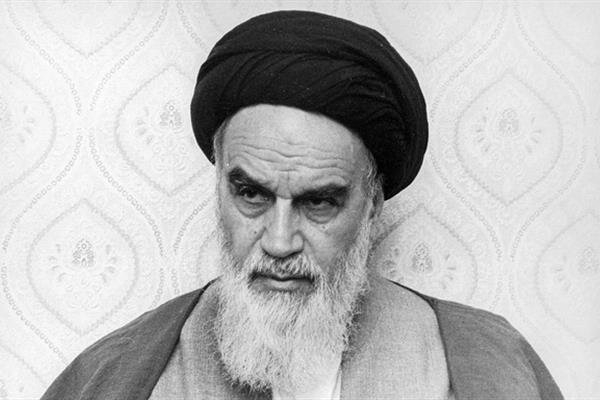
Awareness and unity of the nation
The necessity of the awakening of the nations was among the issues that the Imam (RA) considered a necessary condition for starting the struggle and believes: "It must be shared with the nations; just as in Iran, it was the Iranian nation that was the cause of the disaster that was happening to Islam at the hands of America and its henchmen, the infamous Pahlavi regime, it was these Iranian youth and this Iranian nation... and it was these young people of the Basij and the Iranian tribes who understood their duty together, woke up and clenched their fists together and drove the tanks out of the scene with their fists. In order for the nations not to find such an awakening and in order for the nations not to find unity as one, they must know that they are condemned to corrupt governments and condemned to the criminal America and other superpowers. Despite having all those reserves, all those possibilities."
Relying on Islam in the struggle against evil powers
As the problems of Muslims increased, most Islamic intellectuals came to the conclusion that the only way to deal with the problems (including tyranny, colonialism, etc.) was to return to the original and pure Islam. And the root of misfortunes is the distance from the original Islam. And this is the point that the Imam (may Allah have mercy on him) emphasized, the awakening of the oppressed nations and oppressed Muslims depends on their raising Islamism, and they had full faith in the victory of Islam: "I say with confidence that Islam will bring the superpower to the ground of humiliation. Islam will remove the great obstacles inside and outside its borders one after another and will conquer the key strongholds of the world" (ibid., vol. 20, p. 118 (.
The Imam's proposal of this ideal is not dependent on having power, an issue that caused some people to doubt and doubt: Some people think that since we do not have the power to establish Islam and justice in the world, then we do not have a duty, unaware that the divine prophets have also proposed ideals that were not possible to realize in their era and time, but they answer this doubt with a clear statement.
Call to faith and Islamic unity
Islamic unity is the only way to fight against the arrogant, and the main factor in the liberation of nations. Imam Khomeini, may God have mercy on him, says in this regard: "By the will of God Almighty, although we were helpless and our nation had no weapons or military equipment in its hands, we overcame the forces of the tyrants through the power of faith and the unity of the word. And I hope that all Islamic nations will rise up and, with the unity of the word and with the consideration of Islam and the power of faith, overcome the foreigners and those who want to have these nations under their control and domination forever. The secret of the victory of Muslims in the early days of Islam was the unity of the word and the power of faith. We must fight the forces of disbelief with the power of Islam and remove the hands of criminals from our countries. If unity was the word of Islam and if the states and nations of Islam were united, it would not make sense that the nearly one billion Muslim population would be under the control of the powers. If this power, the great divine power, were combined with the power of faith and everyone walked together in brotherly love on the path of Islam, no power would overcome them.”
Enemy recognition and all-round uprising against enemies
The Imam (may Allah have mercy on him) believes that the main reason for the destruction and defeat of Islamic nations and states against arrogant states is the lack of all-round uprising of different groups, which will lead to the destruction of their honor and human values: “If today the different groups of nations, from religious scholars to speakers, writers and committed enlightened people, do not all-round uprising and do not reach the oppressed countries and nations by awakening the great masses of Islamic humanity, their countries will undoubtedly be destroyed and become more and more all-round dependent. And the Eastern atheistic plunderers and, worse than them, the Western atheistic plunderers will suck out the roots of their lives and destroy their honor and human values.”
Imam Khomeini (may Allah have mercy on him) considers enemy recognition a religious duty and always emphasizes it. One of his outstanding characteristics is his deep insight into the enemy and its tactics and his advice to the people to be vigilant against conspiracies: “The Islamic countries and the oppressed people of the world should find their Islamic power and not be afraid of the scoundrels of the East and the West and their affiliates and scum, and should rise up with trust in God Almighty and reliance on the power of Islam and faith and cut off the hands of criminals from their countries.”
Strengthening the spirit of faith and struggle against colonialist governments
Imam Rahmi says: Today, Islamic Iran, thanks to its strong faith and commitment to Islam and the great transformation that has been achieved in various strata, cuts off the hands of the East and the West and the deviant parasites from its country and does not allow any power to make the slightest interference in the Islamic country of Iran. And this is a decisive argument for Muslims and the oppressed of the world that no one can raise their hand to aggression and oppose it at the will of the nations, and a nation that has chosen the latter between humiliation and martyrdom is invincible.
Announcing comprehensive support for the Islamic awakening
Given that the dictionary of the Imam's (may Allah have mercy on him) movement is the fulfillment of duty in line with divine commands, therefore this idea is not limited to a specific time and place. Imam says: "We fully support all countries under domination to gain freedom and independence, and we explicitly tell them that the right is to be taken, rise up and overthrow the superpowers from the stage of history and times. I have said many times and I warn you now that if the oppressed East and Africa do not rely on themselves, they will be trapped forever.”
The inability of the powers to confront the awakened nations (the manifestation of the awakening in the nations)
Imam Rahmatullahi alaihi said: The cry that comes from the heart of a believer overcomes everything; it overcomes the White House and it overcomes the deaf.
Israeli forces kill 25 people in Gaza, including 13 aid seekers, since dawn
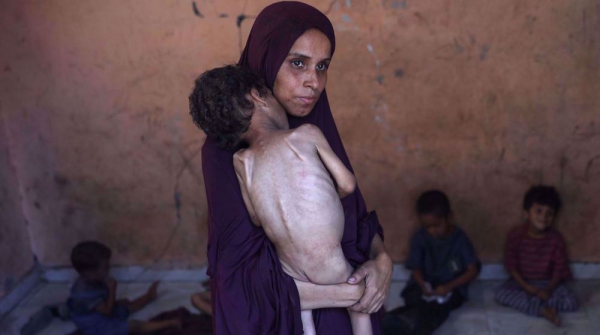
Israeli forces have killed dozens of Palestinians in their latest attacks across the Gaza Strip, including 13 aid seekers.
At least 25 Palestinians have been killed by Israeli forces across Gaza since dawn today, including 13 aid seekers, sources in Gaza hospitals told Al Jazeera.
According to UN reports, Israeli forces have shot dead more than 1,000 aid seekers at US-run Gaza Humanitarian Foundation (GHF) distribution points in the past months since May.
The UN human rights office reported on Tuesday that since May 27, more than 1,054 Palestinian civilians have been killed and thousands more have been wounded while approaching the US-run aid distribution sites in Gaza, being fired upon by the Israeli forces.
UN officials have described the deadly aid operation by the GHF under the strict control of the Israeli regime forces as “an abomination” and “a death trap.”
Traditionally in charge of aid operations in Palestine, the UN has also called for global action to end the brutal Israeli attacks and blockade on Gaza.
Philippe Lazzarini, the head of the United Nations Relief and Works Agency for Palestine Refugees (UNRWA), issued a warning last week calling for worldwide action to address Israel’s ongoing blockade of aid to the Gaza Strip.
Lazzarini said the international community’s inaction in this regard equates to complicity in the starvation of the people of Gaza.
Israel unleashed its brutal Gaza onslaught on October 7, 2023, after the Hamas resistance group carried out its historic operation against the occupying entity in retaliation for the regime’s intensified atrocities against the Palestinian people.
The Tel Aviv regime has so far failed to achieve its declared objectives of eliminating Hamas and freeing all captives in Gaza, despite killing nearly 60,000 Palestinians, mostly women and children, and injuring almost 144,000 others.
Press TV’s website
Hamas fires back at US over ceasefire blame, calls Netanyahu the real ‘obstructionist’
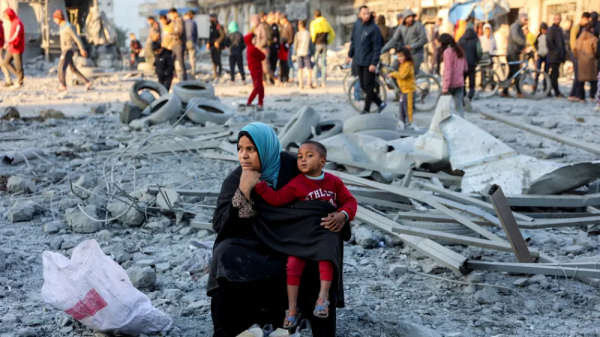
Palestinian resistance movement Hamas has blasted US officials for misrepresenting its negotiating position, identifying Israeli Prime Minister Benjamin Netanyahu’s cabinet as the primary obstacle to reaching a ceasefire.
“We are appalled by the statements of US President Trump and earlier by US special envoy Witkoff, which contradict the mediators’ assessment of Hamas’s position,” Izzat Al-Rishq, a member of Hamas’s political bureau, said in a statement released on Saturday.
On Friday, Trump blamed the Gaza-based resistance movement for the apparent collapse of the ceasefire talks, saying the group is going to be “hunted down.”
Witkoff also said on Thursday that Washington was cutting short its involvement in the negotiations, accusing Hamas of showing “a lack of desire to reach a ceasefire.”
Al-Rishq added that these statements are “inconsistent with the actual progress of negotiations that had been acknowledged by mediators, particularly Qatar and Egypt, as they expressed satisfaction and appreciation for our serious and constructive stance.”
The American statements, he noted, “deliberately ignore the real obstructionist to all agreements – Netanyahu’s [cabinet] – which continues to put obstacles, deceive, and evade commitments.”
“According to Al-Rishq, Hamas has negotiated flexibly and responsibly from the start of the negotiations, seeking a deal to end the war and Gaza’s suffering.
He dismissed US allegations of Hamas’s aid diversion as unfounded, citing a Reuters report that revealed flaws in Washington’s claims.
“The US State Department accused Hamas of stealing aid without providing visual evidence and that at least 44 of 156 aid theft incidents in Gaza had resulted from Israeli military measures.”
He called on the US to stop absolving the Israeli regime and “providing political/military cover for its genocide and starvation against over two million Gazans.”
The Hamas official also urged the US to apply real pressure on the regime “to seriously engage in ending the aggression and achieving a prisoner exchange deal.”
Despite ongoing indirect negotiations in Qatar, no agreement has been reached. While Tel Aviv has accused Hamas of delaying the process, the Palestinian group argues it is Israel that has obstructed progress by rejecting key conditions for a sustainable truce.
The proposed ceasefire also includes a prisoner exchange involving Israeli captives still held in Gaza. Of the 251 people taken on October 7, 2023, 49 remain in captivity, with the Israeli military believing that 27 of them are dead.
The occupying entity demands to dismantle Hamas’s military and governance infrastructure, while Hamas insists on guarantees for a lasting ceasefire, full Israeli withdrawal, and unimpeded flow of desperately-needed humanitarian aid.
The Israeli regime claims it has already accepted both the Qatari and the updated US proposals.
Press TV’s website
Leader: Iran’s military, scientific progress will accelerate
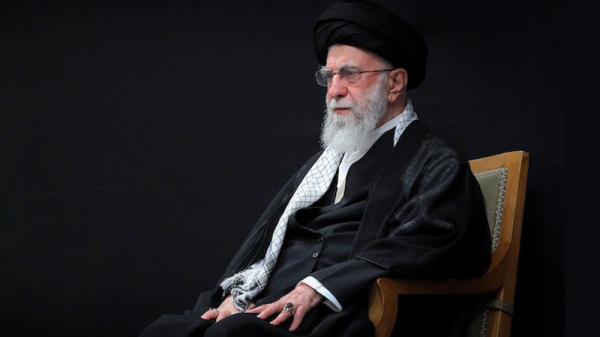
In a message marking the 40th day since the martyrdom of top Iranian commanders and scientists in a US-Israeli aggression, the Leader of the Islamic Revolution said both military and scientific advances will move forward with greater speed and determination.
In the Friday message to the Iranian nation, Ayatollah Seyyed Ali Khamenei condemned the “wicked and criminal Zionist ruling group” for aggression on Iran, calling it “a blow delivered by the vile and spiteful enemy of the Iranian nation.”
“Undoubtedly, the loss of commanders like Martyrs Bagheri, Salami, Rashid, Hajizadeh, Shadmani and other military personnel, as well as scientists such as Martyrs Tehranchi and Abbasi, is heavy for any nation,” the Leader said. “But the foolish and shortsighted enemy did not achieve its goal.”
Ayatollah Khamenei noted that the Israeli regime's attempt to slow down Iran’s progress has backfired.
“The future will show that both our military and scientific movements will accelerate even more rapidly toward high horizons, God willing,” he said.
The Leader’s remarks come in the wake of Israel’s June 13 aggression targeting senior Iranian officials and nuclear scientists in an act of terrorism that killed scores of civilians as well. Days later, the United States escalated the war by bombing three civilian nuclear facilities in Iran.
In a powerful response, Iranian Armed Forces launched retaliatory strikes on strategic Israeli targets across the occupied territories and also hit the al-Udeid air base in Qatar, the largest American military outpost in West Asia.
Iran’s coordinated operations forced a halt to the aggression by June 24.
Ayatollah Khamenei praised the Iranian people and institutions for their strength in the face of US-Israeli aggression. “This painful incident also revealed some shining points — the patience and fortitude of the survivors, not seen anywhere else except in the history of the Islamic Republic; the steadfastness of institutions under the martyred leaders, who ensured that this heavy blow did not hinder their progress; and the miraculous resilience of the Iranian nation, seen in its unity, spiritual strength, and firm determination to remain in the field.”
“These enemies are hammering cold iron,” he added. “The Islamic Republic will, by God’s grace, become stronger by the day.”
The Leader also laid out seven strategic duties for all sectors of Iranian society, including maintaining national unity, accelerating scientific and technological progress, preserving national dignity, enhancing defense capabilities, ensuring government efficiency, providing spiritual guidance, and fostering revolutionary enthusiasm — particularly among the youth.
“May the Merciful and Almighty God grant everyone success in fulfilling these duties,” he concluded.
Press TV’s website
Violation of the 1977 Protocol; The Zionist Regime and Responsibility for the Famine in Gaza
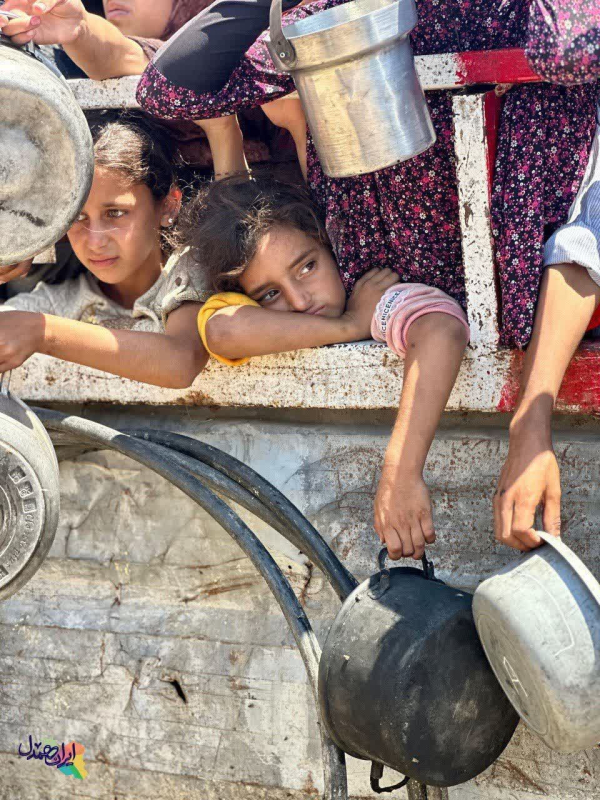
According to Mehr News Agency, Leyli Taghrobi, a legal expert, wrote in a note about the criminal actions of the Zionist regime against the residents of Gaza: Since the beginning of the Zionist regime’s all-out attack on the Gaza Strip in October 2023, the world has witnessed one of the most widespread and systematic contemporary humanitarian crises. The complete blockade, the destruction of basic infrastructure, the interruption of the flow of food and medicine, and the attack on water and energy supply centers have all been in line with a military strategy that aims to bring the civilian population to its knees through starvation.
This approach is a clear example of a violation of Article 54 of the First Additional Protocol of 1977 to the Four Geneva Conventions. In this article, citing sources of international humanitarian law and the practice of international institutions, the international responsibility of the Zionist regime for the deliberate famine in Gaza is examined.
Article 54 of Additional Protocol I: Prohibition of the Use of Famine as a Weapon of War Article 54 of Additional Protocol I to the Geneva Conventions states:
“The use of starvation as a method of warfare against civilians is prohibited. It is also prohibited to destroy, render useless, or damage objects indispensable to the survival of the civilian population, such as food, agricultural products, sources of drinking water and water supply installations.”
The purpose of this article is to protect the civilian population in international armed conflicts and to prevent the use of means that directly threaten the lives of civilians.
Examples of violations in the Gaza War
A review of developments on the ground in Gaza since October 2023 shows that the Zionist regime has systematically and deliberately taken the following measures to use famine as a weapon of war:
1. Complete blockade of the Gaza Strip
Since the first days of the offensive, the passage of food, water, fuel and medicine into Gaza through the border crossings, especially Rafah and Kerem Shalom, has been blocked.
2. Destruction of vital infrastructure
Bombing of agricultural fields, water supply systems, food warehouses and bakeries has caused many food and water supply centers to be out of service.
3. Blocking humanitarian aid
UN and non-profit aid convoys have repeatedly been targeted or blocked, with trucks carrying flour and water being destroyed or seized in some cases.
4. Creating artificial famine conditions
According to the World Food Programme (WFP), more than 90% of the population in Gaza is at a critical level of food insecurity and the risk of death from hunger, especially among children, is serious and real.
The International Responsibility of the Zionist Regime
In international law, the violation of peremptory norms, including humanitarian norms, gives rise to international responsibility for the offending state. Here, the Zionist regime, through its deliberate actions in starving civilians, bears international responsibility for the following reasons:
1. Violation of customary and treaty obligations
Although Additional Protocol I has not been ratified by Israel, parts of it, including Article 54, are recognized as customary international rules. Therefore, this article is binding even for states that are not parties to it.
2. International Criminal Responsibility
The use of famine as a weapon of war in international criminal law is an example of a war crime and, in some cases, a crime against humanity. Article 8 of the Rome Statute (International Criminal Court) lists the deliberate destruction of resources essential for survival as a war crime.
3. The need for reparation and accountability
According to the draft articles on State Responsibility in the International Law Commission (ILC), the responsible state must compensate for the damage caused and prevent its recurrence. In the event of continuation and intentionality of these actions, judicial avenues for international accountability are also provided.
The response of the international community
Despite the severity and scope of the crimes committed, the practical response of the international community to the famine in Gaza has remained mainly at the level of political condemnations and public statements. However:
UN special rapporteurs have repeatedly considered the actions of the Zionist regime to be an example of the use of hunger as a weapon.
The International Criminal Court (ICC) is examining cases of war crimes in the occupied Palestinian territories, which may also include famine.
The International Court of Justice (ICJ) has raised points about the possibility of genocide and the use of famine in the case of South Africa v. Israel.
Summary and Conclusion
The use of famine as a weapon of war is not only a clear example of cruelty in war, but also a clear violation of the fundamental rules of international humanitarian law. The actions of the Zionist regime in Gaza, including the complete blockade, the destruction of food supplies, and the denial of aid, are all gross violations of Article 54 of Additional Protocol I. In addition to the catastrophic humanitarian consequences, these actions have created international responsibility for the regime.
The international community, international institutions, and human rights activists must more seriously pursue the criminal and civil accountability of the Zionist regime for these crimes. Silence in the face of famine means normalizing one of the most heinous instruments of war against humanity.
Carrying photos of starving kids, thousands rally in Tel Aviv, Haifa to demand end to Gaza war

Thousands have staged a protest in Tel Aviv against Israel’s genocidal war on the Gaza Strip, carrying photos of starving Palestinian children.
The protesters gathered in Tel Aviv’s Habima Square and adjacent streets on Thursday, demanding an “end to the war and return” of Israeli captives held in Gaza.
Some of them carried signs which denounced Israel for war crimes and genocide in Gaza and urged soldiers to refuse to take part in the war.
Others were seen holding up photos of starving Palestinian children, with one sign saying, “Oppose crimes against humanity.”
In Haifa, police arrested 24 protesters at an anti-war demonstration in the city's German Colony. Officers were filmed attempting to disperse the demonstrators while tearing up signs only a few minutes after the protest began.
Later on, officers started tackling protesters to the ground, handcuffing them and carrying them to a police van.
In a video from the site of the protest, one handcuffed demonstrator is seen shouting to reporters that officers had beaten several female protesters inside the van, before she herself is pushed into a police car.
The protest was one of several anti-war demonstrations organized by Haifa’s Arab residents amid the ongoing genocide in Gaza, which often sees mass arrests.
Israel launched a genocidal war on Gaza on October 7, 2023 which has so far killed at least 59,587 Palestinians, mostly women and children.
Critics have increasingly slammed Israeli prime minister Benjamin Netanyahu for what they describe as a pattern of prioritizing his personal political survival amid an ongoing corruption probe to prolong the war on Gaza.
Since the beginning of the war in Gaza, Netanyahu has faced growing domestic and international criticism for resisting meaningful concessions in negotiations, especially those involving a ceasefire or prisoner exchange.
The continuation of military aggression in Gaza—despite calls from international allies and domestic critics to shift focus toward diplomacy and de-escalation—has been linked to his desire to project strength and placate coalition hardliners.
However, a retired Israeli major general openly admitted this week to Israel’s military weaknesses and strategic setbacks as the regime remains stuck in Gaza amid ongoing clashes with Hamas resistance fighters.
Major General Yitzhak Brik, a former senior officer of the Israeli military, wrote in an op-ed for the Israeli news website Arutz Sheva, “The painful truth, as reflected by senior officers—from generals to company commanders speaking off the record—is that Israel was not prepared for the ‘Iron Swords’ war.”
Brik continued, “The Israeli regime has already suffered a strategic loss in its campaign against Hamas.”
Polls in recent months have also shown a significant drop in Netanyahu’s approval ratings. Large-scale protests, including from bereaved families and military reservists, have become a weekly occurrence.
Many settlers now openly accuse Netanyahu of holding captives hostage to his political ambitions, with slogans like “Bring them home now!” and “Bibi is the problem, not the solution” echoing across Tel Aviv and al-Quds.
Brik also criticized Israel’s leadership, warning, “While Israel remains bogged down in the Gaza Strip, its leadership is failing to prepare the military for the next and potentially far more dangerous conflict.”
Press TV’s website
Sunni And Shi’ah Sects: Beliefs, similarities and differences
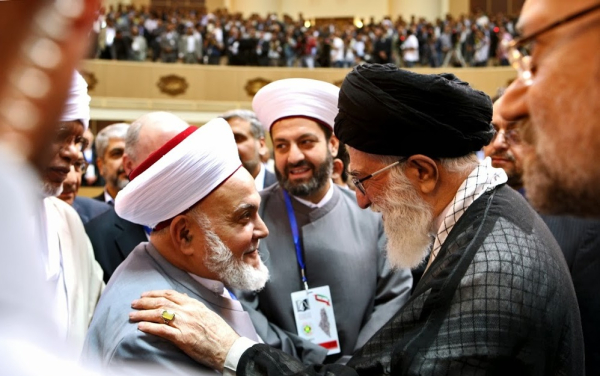
In Muslim world there are two major sects. The Sunnis and Shi’as. Some refer to Muslim mystics, the Sufis, as a sect of Islam. They are, however, considered as Sunnis. A study in 2010 and 2011 showed that there are 1.62 billion Muslims around the world, and it is estimated that the Sunni population is between 75% and 90%.
The Sunnis
The word “sunni” comes from the Arabic word sunnah which means way and is referred to, the way of the prophet or the tradition (actions and sayings) of the Prophet Muhammad (s). The Sunni Islam is sometimes referred to as Orthodox Islam.
Among the Sunni sect there are four major schools of thought or sub-sects each follow a particular Islamic law. They are:
- Hanafism: The founder is the Persian scholar Imam Abu Hanifah al-Nu’manibnThabit (AD: 699-767). His school of thought is practiced widely in Southeast Asia, Central Asia, the Caucasus, the Balkans and Turkey. The majority of Sunni Muslims practice the Hanfi jurisprudence.
Beliefs:
- Prayer (al-Salat) in another language is permitted.
- Asking for money for teaching Qur’an and saying Athan is permitted.
- Friday prayer in more than one mosque in one city/town is correct.
- Making wudu with wine is permitted.
- Junub passing through a mosque is not permitted.
- Polytheists entering mosques is permitted.
- Giving Zakat al-Fitrah and Kaffareh to Jews and Christians is permitted.
- Neither does faith increase nor decrease.
- Compulsory divorce is permitted.
- Using tricks to attaingMubah is permitted.
- One time feeding by breast even one drop is Haraam.
- Female is permitted to be judge.
- Shafi’ism: The founder is Abu Abdullah Muhammad IbnIdris al-Shafi’i known as Imam Al-Shafi’i (AD: 767-820). Imam al-Shafi’i is also known as the “First Among Equals” for his exhaustive knowledge and systematic methodology to religious science. Adherents of this sect are mainly from the Middle East.
Beliefs:
- Discarding scholastic theology.
- Qur’an is God’s words and old, but not created.
- Narrations are sufficient reason after Qur’an.
- Imamah belongs to Quraysh only.
- Belief in Qiyas and refusing Ijtihad.
- Semen is not najis/ tahir.
- Polytheists are allowed to enter mosques save Masjid al-Harram.
- Saying Asr prayer before Zuhr prayer in al-Jam’ bayn al-Salatayn.
- Mayyit prayer over martyr’s body is not allowed.
- It is obligatory for kid to pay Zakat.
- Murtad (blasphemous)’s I’tikaf is not ivalid.
- Man is allowed to marry his daughter out of adultery.
- Ruler is allowed to divorce one’s wife.
- Slaughtered animal purposely bismillahalrahmanalrahim not mentioned over it when slaughtering is allowed to be eaten.
- Singing is not Haraam, its doer not Faaseq and his testimony is not refused.
- Malikism: The founder is Malik Bin Anas (AD: 711-795). Its adherents are mostly from North Africa, United Arab Emirates, and parts of Saudi Arabia.
Beliefs:
- Qur’an is God’s words not created.
- Generally committed major sins is believer.
- The companions’ sayings and fataawa are of the Prophet’s conduct.
- Dog is taaher.
- One is allowed to pray Qasr on committing sin trip.
- Friday prayer is only allowed at mosque.
- Who forgetfully eats or drinks in Ramadan is not fasting and it is obligatory to do its Qadaa’.
- Marrying the faithless is invalid.
- The longest period of pregnancy is five years.
- Hanbalism: The founder is Imam Ahmad IbnHanbal (AD: 780–855). The Hanbali jurisprudence is considered very strict and conservative. The Hanbalischool of jurisprudence is practiced mainly in Saudi Arabia, Qatar as well as in parts of Syria and Iraq.
Beliefs:
- One commits a major sin he is authorized to God.
- Belief in God’s attributes as is mentioned in the Qur’an and the Prophet’s traditions.
- Qur’an is not created.
- Almighty God can be viewed in the hereafter.
- Revolting against the ruler even he is tyrant and dissolute.
- All companions are just.
- Charity and evil are of God’s destiny.
- Caliphate belongs to Quraysh.
- Jihad with the ruler either he is pious or dissolute is correct.
- He who has quitted his prayer is Kaafer, not allowed to pray on his dead body and bury him in the Muslim cemetery.
The Shi’a
The word “Shi’a” in Arabic literally means a sect or a faction. The followers of the Shi’a sect belong to the faction or followers of Muhammad’s cousin and son-in-law, Ali who, according to the Shi’a sect should have been the direct successor of Muhammad and is considered divinely appointed and the first Imam. There are three main schools of thought or sub-sects within the Shi’a sect.
1) The Ithnaashariyya: the followers of this sect believe in the 12 divinely ordained leaders, knows as the Twelve Imams. Nearly 85% of the total Shi’a populationbelongs to this sect. They are scattered in Iran, Iraq, Bahrain, Lebanon, and Syria. A large minority group is found in India, Pakistan, Afghanistan, Kuwait, United Arab Emirates and Saudi Arabia.
2) The Isma’ilis or as commonly known as the SevenImamis: Unlike the Twelvers, they believe in different number of Imams. They also differ in the role of the Imam. The Isma’ili minorities are found in Syria, Saudi Arabia, Yemen, Jordan, Lebanon and South Africa.
3) The Zaydi branch: This school of thought was named after its founder ZaydIbn Ali. They are mainly prevalent in Yemen. They have a unique approach within the Shi’a Islamic thought that is similar to the Sunnis. Adherents to this branch are called the Fivers.
The difference between Sunni and Shia sects
The difference between the Sunnis and Shi’a is more of a political nature than creed. There are no major differences between the two sects. Both, Sunnis and Shi’as, believe in the one God or Tawhid, in the angels, scriptures, prophets and messengers, the hereafter, and the divine decree, destiny. They share the same scripture, called the Qur’an. Although there may be a difference in the way Sunnis and Shi’as worship, nevertheless, both pray five times a day, fast the month of Ramadan, pay the zakah and go to Mecca for pilgrimage. During daily prayers, both Sunnis and Shi’as direct their faces toward Mecca.
After the demise of Muhammad (s), Muslims disputed over the prophet’s successor. The Prophet’s successors, Abu Bakr, Omar, Uthman and Ali (‘a)respectively after him were accepted by Muslims as the rightful successors of the prophet. On the other hand, the Muslims who thought Ali Bin AbiTalib, the prophet’s cousin, is the legitimate successor of the prophet became to be known as Shi’a. The Shi’a believes that the prophet’s successor has to be from the family of the prophet Muhammad. Whereas Sunnis believe that the successor of the prophet must be from the tribe of Quraish, the prophet’s tribe. This political discord continued for centuries and the divide between the two sects remains to this day unresolved. Another major difference between Sunni and Shi’a is that Sunnis believe that no person after Muhammad is infallible while the Shi’a believes in the infallibility of the twelve Imams (leaders) who are descendants from the family of the Prophet Muhammad.
Bottom of Form
Compiled, Summarized, and Translated by:
SayyidBaqirHusayni
Ahlul Bayt in Sahih Muslim and Bukhari
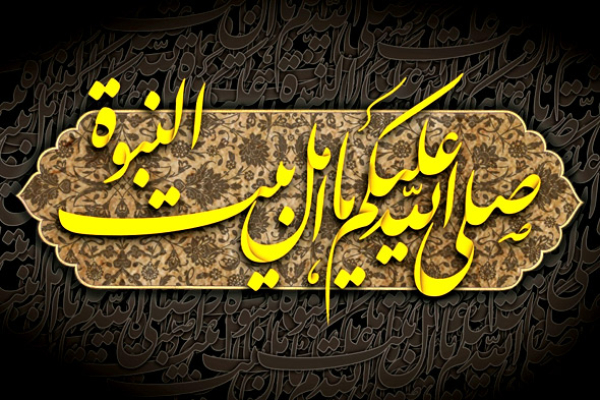
Traditions from Sahih Bukhari
Narrated Salama:
`Ali happened to stay behind the Prophet (ﷺ) and (did not join him) during the battle of Khaibar for he was having eye trouble. Then he said, "How could I remain behind Allah's Messenger (ﷺ)?" So `Ali set out following the Prophet (ﷺ) , When it was the eve of the day in the morning of which Allah helped (the Muslims) to conquer it, Allah's Messenger (ﷺ) said, "I will give the flag (to a man), or tomorrow a man whom Allah and His Apostle love will take the flag," or said, "A man who loves Allah and His Apostle; and Allah will grant victory under his leadership." Suddenly came `Ali whom we did not expect. The people said, "This is `Ali." Allah's Messenger (ﷺ) gave him the flag and Allah granted victory under his leadership.
حَدَّثَنَا قُتَيْبَةُ، حَدَّثَنَا حَاتِمٌ، عَنْ يَزِيدَ بْنِ أَبِي عُبَيْدٍ، عَنْ سَلَمَةَ، قَالَ كَانَ عَلِيٌّ قَدْ تَخَلَّفَ عَنِ النَّبِيِّ صلى الله عليه وسلم فِي خَيْبَرَ وَكَانَ بِهِ رَمَدٌ فَقَالَ أَنَا أَتَخَلَّفُ عَنْ رَسُولِ اللَّهِ صلى الله عليه وسلم فَخَرَجَ عَلِيٌّ فَلَحِقَ بِالنَّبِيِّ صلى الله عليه وسلم، فَلَمَّا كَانَ مَسَاءُ اللَّيْلَةِ الَّتِي فَتَحَهَا اللَّهُ فِي صَبَاحِهَا، قَالَ رَسُولُ اللَّهِ صلى الله عليه وسلم " لأُعْطِيَنَّ الرَّايَةَ ـ أَوْ لَيَأْخُذَنَّ الرَّايَةَ ـ غَدًا رَجُلاً يُحِبُّهُ اللَّهُ وَرَسُولُهُ ـ أَوْ قَالَ يُحِبُّ اللَّهَ وَرَسُولَهُ ـ يَفْتَحُ اللَّهُ عَلَيْهِ ". فَإِذَا نَحْنُ بِعَلِيٍّ وَمَا نَرْجُوهُ، فَقَالُوا هَذَا عَلِيٌّ. فَأَعْطَاهُ رَسُولُ اللَّهِ صلى الله عليه وسلم فَفَتَحَ اللَّهُ عَلَيْهِ.
|
Reference |
: Sahih al-Bukhari 3702 |
|
In-book reference |
: Book 62, Hadith 53 |
|
USC-MSA web (English) reference |
: Vol. 5, Book 57, Hadith 52 |
|
|
///////////////////
Narrated Sad:
that the Prophet (ﷺ) said to 'Ali, "Will you not be pleased from this that you are to me like Aaron was to Moses?"
حَدَّثَنِي مُحَمَّدُ بْنُ بَشَّارٍ، حَدَّثَنَا غُنْدَرٌ، حَدَّثَنَا شُعْبَةُ، عَنْ سَعْدٍ، قَالَ سَمِعْتُ إِبْرَاهِيمَ بْنَ سَعْدٍ، عَنْ أَبِيهِ، قَالَ النَّبِيُّ صلى الله عليه وسلم لِعَلِيٍّ " أَمَا تَرْضَى أَنْ تَكُونَ مِنِّي بِمَنْزِلَةِ هَارُونَ مِنْ مُوسَى ".
|
Reference |
: Sahih al-Bukhari 3706 |
|
In-book reference |
: Book 62, Hadith 57 |
|
USC-MSA web (English) reference |
: Vol. 5, Book 57, Hadith 56 |
|
|
////////////////////
Narrated IbnAbiNu'm:
A person asked `Abdullah bin `Umar whether a Muslim could kill flies. I heard him saying (in reply). "The people of Iraq are asking about the killing of flies while they themselves murdered the son of the daughter of Allah's Messenger (ﷺ) . The Prophet (ﷺ) said, They (i.e. Hasan and Husain) are my two sweet basils in this world."
حدَّثَنِي مُحَمَّدُ بْنُ بَشَّارٍ، حَدَّثَنَا غُنْدَرٌ، حَدَّثَنَا شُعْبَةُ، عَنْ مُحَمَّدِ بْنِ أَبِي يَعْقُوبَ، سَمِعْتُ ابْنَ أَبِي نُعْمٍ، سَمِعْتُ عَبْدَ اللَّهِ بْنعُمَرَ، وَسَأَلَهُ، عَنِ الْمُحْرِمِ،، قَالَ شُعْبَةُ أَحْسِبُهُ يَقْتُلُ الذُّبَابَ فَقَالَ أَهْلُ الْعِرَاقِ يَسْأَلُونَ عَنِ الذُّبَابِ وَقَدْ قَتَلُوا ابْنَ ابْنَةِ رَسُولِ اللَّهِ صلى الله عليه وسلم، وَقَالَ النَّبِيُّ صلى الله عليه وسلم " هُمَا رَيْحَانَتَاىَ مِنَ الدُّنْيَا".
|
Reference |
: Sahih al-Bukhari 3753 |
|
In-book reference |
: Book 62, Hadith 100 |
|
USC-MSA web (English) reference |
: Vol. 5, Book 57, Hadith 96 |
////////////////
باب مَنَاقِبُ فَاطِمَةَ عَلَيْهَا السَّلاَمُ
وَقَالَ النَّبِيُّ صَلَّى اللَّهُ عَلَيْهِ وَسَلَّمَ: «فَاطِمَةُ سَيِّدَةُ نِسَاءِ أَهْلِ الْجَنَّةِ».
Narrated Al-Miswar bin Makhrama:
Allah's Messenger (ﷺ) said, "Fatima is a part of me, and whoever makes her angry, makes me angry."
حَدَّثَنَا أَبُو الْوَلِيدِ، حَدَّثَنَا ابْنُ عُيَيْنَةَ، عَنْ عَمْرِو بْنِ دِينَارٍ، عَنِ ابْنِ أَبِي مُلَيْكَةَ، عَنِ الْمِسْوَرِ بْنِ مَخْرَمَةَ ـ رضى الله عنهما ـ أَنَّ رَسُولَ اللَّهِ صلى الله عليه وسلم قَالَ " فَاطِمَةُ بَضْعَةٌ مِنِّي، فَمَنْ أَغْضَبَهَا أَغْضَبَنِي ".
|
Reference |
: Sahih al-Bukhari 3767 |
|
In-book reference |
: Book 62, Hadith 114 |
|
USC-MSA web (English) reference |
: Vol. 5, Book 57, Hadith 111 |
Traditions from the Sahih Muslim
Chapter: The Virtues Of The Household Of The Prophet (SAW)
There exists ONLY ONE tradition in this section, and this tradition has no reference to the wives of the Prophet (PBUH&HF). The tradition is known as "The Tradition of Cloak/Mantle" (Hadith al-Kisaa), and is as follows:
'A'isha reported that Allah's Apostle (ﷺ) went out one norning wearing a striped cloak of the black camel's hair that there came Hasan b. 'Ali. He wrapped hitn under it, then came Husain and he wrapped him under it along with the other one (Hasan). Then came Fatima and he took her under it, then came 'Ali and he also took him under it and then said:
Allah only desires to take away any uncleanliness from you, O people of the household, and purify you (thorough purifying)
باب فَضَائِلِ أَهْلِ بَيْتِ النَّبِيِّ صلى الله عليه وسلم
حَدَّثَنَا أَبُو بَكْرِ بْنُ أَبِي شَيْبَةَ، وَمُحَمَّدُ بْنُ عَبْدِ اللَّهِ بْنِ نُمَيْرٍ، - وَاللَّفْظُ لأَبِي بَكْرٍ - قَالاَ حَدَّثَنَا مُحَمَّدُ بْنُ بِشْرٍ، عَنْ زَكَرِيَّاءَ، عَنْ مُصْعَبِ بْنِ شَيْبَةَ، عَنْ صَفِيَّةَ بِنْتِ شَيْبَةَ، قَالَتْ قَالَتْ عَائِشَةُ خَرَجَ النَّبِيُّ صلى الله عليه وسلم غَدَاةً وَعَلَيْهِ مِرْطٌ مُرَحَّلٌ مِنْ شَعْرٍ أَسْوَدَ فَجَاءَ الْحَسَنُ بْنُ عَلِيٍّ فَأَدْخَلَهُ ثُمَّ جَاءَ الْحُسَيْنُ فَدَخَلَ مَعَهُ ثُمَّ جَاءَتْ فَاطِمَةُ فَأَدْخَلَهَا ثُمَّ جَاءَ عَلِيٌّ فَأَدْخَلَهُ ثُمَّ قَالَ } إِنَّمَا يُرِيدُ اللَّهُ لِيُذْهِبَ عَنْكُمُ الرِّجْسَ أَهْلَ الْبَيْتِ وَيُطَهِّرَكُمْ تَطْهِيرًا{
|
Reference |
: Sahih Muslim 2424 |
|
In-book reference |
: Book 44, Hadith 91 |
|
USC-MSA web (English) reference |
: Book 31, Hadith 5955 |
One can see that the author of Sahih Muslim confirms that:
(1) Imam Ali, Fatimah, al-Hasan, and al-Husain are the Ahlul-Bayt,
(2) The purification sentence in Quran (the last sentence of Verse 33:33) was revealed for the virtue of the above-mentioned individuals, and NOT for the wives of the Prophet (PBUH&HF).
///////////////////
Abu Huraira reported Allah's Messenger (ﷺ) as saying to Hasan:
O Allah, behold, I love him. Thou too love him and love one who loves him.
حَدَّثَنِي أَحْمَدُ بْنُ حَنْبَلٍ، حَدَّثَنَا سُفْيَانُ بْنُ عُيَيْنَةَ، حَدَّثَنِي عُبَيْدُ اللَّهِ بْنُ أَبِي يَزِيدَ، عَنْ نَافِعِ بْنِ جُبَيْرٍ، عَنْ أَبِي هُرَيْرَةَ، عَنِ النَّبِيِّ صلى الله عليه وسلم أَنَّهُ قَالَ لِحَسَنٍ " اللَّهُمَّ إِنِّي أُحِبُّهُ فَأَحِبَّهُ وَأَحْبِبْ مَنْ يُحِبُّهُ " .
|
Reference |
: Sahih Muslim 2421 a |
|
In-book reference |
: Book 44, Hadith 86 |
|
USC-MSA web (English) reference |
: Book 31, Hadith 5951 |
The Role of Wahabismin the Spread of Terrorism
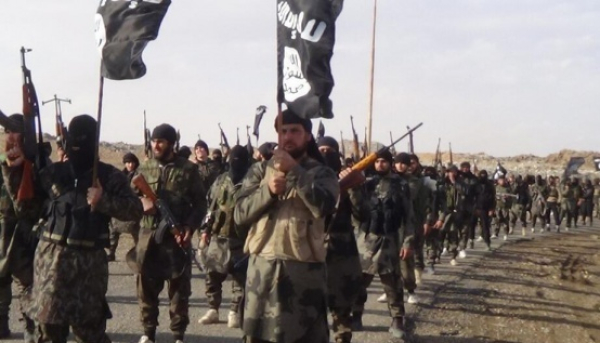
Every action of assassination and terrorism are liable to be criticized strongly. Development Goals of UN reports as a major stumbling block to the all-round development of humanity. But rather terroristactivities do not take birth in some day. Such these activities are the result of a strong ideology which considersterror activities as legal and just on one hand and promotes them through various Media particularity viacreed onthe other hand. Wahabismis one of such an important ideology in this text. Nowadays many strategic and geopoliticalanalysts are busy to know how the ideology of Wahabism is helping in promoting the global terrorism. The ideology ofWahabism is directly promoted by Saudi Arabia’s government as the said country is a place of birth of this ideology as wellas the founder of this ideology ‘Muhammad binAbdal-Wahhab’. This ideology has promoted a feeling of intolerance for otherreligions which has led to large scale violence and deaths of countless innocent people of countries of Middle East Asiaparticularly Syria, Iraq, Lebanon, Chechnya region of Russia, Afghanistan, India, Somalia, Nigeria, Libya etc.In thisarticle an attempt is made to know the role of Wahabism in the rise of international horror and terrorism. What werethe causes behind the rise of this ideology? How this ideology is spreading in different parts of the globe? What would be thegeopolitical effects of spread of this strategy? Recently, what type of measures are required to be taken as well as nowtaken by different countries to face Wahhabi and its associated Jihadist Ideologies?
Keywords: Terrorism, Humanity, Ideology, Media, Violence and Jihadist.
Preface
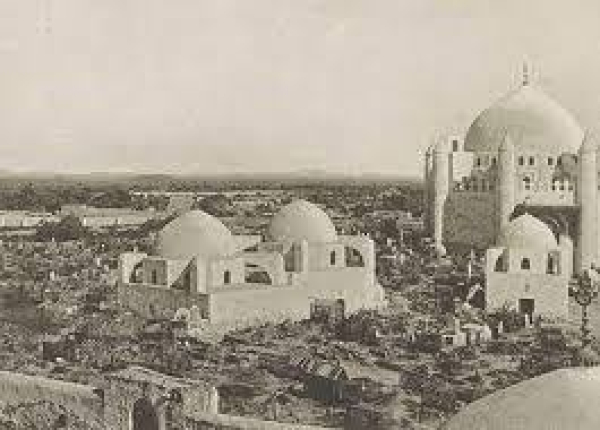
The ideology of Wahabism, which was once first introduced in early years of 8th century, was given a new opportunity of life and revived by ShaykhMuhammad bnAbd al-Wahab. This ideology was later spread by Saudi dynasty in Saudi Arabia. Such ideology of Wahabism rejects otherreligious sects,religions and claims that the opponents of their belief must either accept Wahabidoctrine or pay tribute. Theloyals of Wahabismtake into consideration and accuse their opponents of polytheism and blasphemy and consider their property,honor and lives legitimate for themselves. Having such rigid and closed thoughts, Wahabis destroyed the holy buildings of‘Maqbarat al-Baqi’ and artifacts of the family and associates of the ‘Prophet’ following the dominance of Saudi’s over Meccaand Medina in 1344 A.H. The barbaric and fanatical behavior of Taliban in the fields of politics, governance and diplomacy inAfghanistan and destruction of many important manuscripts in ‘Ahmad Baba Institute’ and many other ancient and uniquebuildings by Islamist rebels of ‘Ansaral-Dine’ group in Mali, Africa, is the true example of their attitudes. The formation andbeliefs of Wahabismare always rejected by ulama of various Islamic sects. Even ‘Ulemas’ have also criticizedthem regarding their approach towards religious issues. It is also said that Wahabis have paved the way for enemies ofIslam. They have fought many destructive wars in alliance with colonial states of Britain and Americaand thus they turned to source of arrogance in the Muslim world. The ideology of Wahabism has its birth in Saudi Arabia,and America and Saudi Arabia have had a long-standing political, economic and military alliance. America is always serious aboutprotection of the ruling family of the kingdom of Saudi Arabia. Despite the fact that the Hejaz is governed by anIslamic fundamentalist religious ideology, Wahabism and repressive authoritarian kingdom, U.S. has always given primeWahhabism and Global Terrorismimportance to it while considering U.S.A’s interests in the Middle East and Asia. Many scholars have accused this ideology of“deviat[ing] from [Islam’s] core notions of tolerance, and moderation”1.
This has been primarily made possible by ‘Petrodollars’ and the purchasing power that the SaudiArabia has its disposal. This has given the Saudi monarchy the ability to form a strong friendship with U.S. and other Westernallies.But a sharp turn has come in Saudi-U.S. and other Western European allies relationship after September 11, 2001 terrorattacks on World Trade Centre in U.S.A. and later on terror attacks in London. These events raised serious questions aboutthe role of Saudi government and their Wahhabi ideology in terrorism associated with earlier Al-Qa’idah and later on itssplinter groups like Islamic State in Iraq, Ansaral-Dine in Mali, Al Shabab in Somalia & Kenya, and also many terrorgroups working against India in Jammu & Kashmir. The terror attacks on U.S.A. and U.K. has shifted the attention of globalmilitary and strategic planners over Saudi Arabia because 15 out of 19 hijackers that attacked the World Trade Centre inU.S.A. including Usama bin Laden and other global ‘Jihadists’, also participated and fought in Bosnia, Chechnya, Afghanistanand Iraq. A majority of these terrorists were Saudi nationals.The Wahabism has generated great interest and debate among academic and defense policy experts. Some people said that it iscentral to the growth of Islamist violence and Jihad while others insist it as a rigid ideology with non-liberal beliefs but notdirectly linked to violence and Jihadism. Another group of scholars which adopts middle way says Wahabism is an assisting factor but not the sole factor in violent Islamist extremism.Therefore, in this present paper an attempt is made to determine the role of Wahabism and Saudi government in therise of international terrorism. There is also an attempt made to know whether Wahhabism is a contributing factor in the spread ofviolent radicalization in the Muslim world and what are the causal mechanisms linking Wahabism to violence?
Aims of the Research
- Understanding the meaning of Wahabism and its historical background and status quo.
- The Role of Wahabism in the spread of violence and terrorism in Muslim as well as other parts of the world.
- The Role of Superpowers in the spread of Wahhabi ideology.
- Suggesting some necessary measures to counter and neutralize the ill-effects of such ideologies on our present daysociety.
Methodology
This paper has used information obtained from various sources including articles from newspapers, magazines, internetand numerous books and research papers.
The Background of Research
The land of Hijaz is a place of birth of the ideology of Wahabism. Consequently, it is our main background of study but effects of thisideology on human society will be studied at global level.
The Background onWahabism
“Wahhabism” generally refers to a movement that seek to purify the Islamic religion of any innovations orpractices that deviate from the seventh-century teaching of the prophet Muhammad and his companions.”2 In the West, theterm has been used mainly to denote the form of Islam practiced in Saudi Arabia and which has spread recently in variouspart of the world. In most of the Muslim nations, however, believers who adhere to this creed, prefer to call themselves as‘Unitarians’ (in Arabic it is ’Muwahiddun’) or” Salafiyyun” (singular - Salafi, noun - Salafiyya). The later term Salafiyyah hasbeen derived from word ‘Salaf’ which means to ‘follow’, a reference to the followers and companions of theProphet. Some Muslim scholars believe that western world has used the term ‘Wahabism’ unfairly which carries negativeand derogatory connotations. The main difference between these two terms is that the Wahabism is in association with a
‘Conservative Islamic Creed’ which is centered in and emanating from Saudi Arabia whereas Salafiyyah is a more generalIslamic movement that has developed independently in various sites in the Muslim world.
History of Wahabism: - It is a puritical form of Sunni Islam and is practiced in Saudi Arabia and Qatar. The word ‘Wahabi’ isderived from the name of a Muslim scholar, ‘Muhammad bin Abdal-Wahab’ (1703-1791AD). He was frustrated by the moraldecline of his society. As a result of which he denounced many popular beliefs and practices as idolatrous. He encouragedpeople to return to the pure and orthodox practices of the fundamentals of Islam as embodied in the holy Qur’an and in thelife of Prophet Muhammad. “In 18th century, ‘Muhammad bin Saud’, the founder of modern – day Saudi dynasty, partneredwith Abdel-Wahhab to begin the process of unifying disparate tribes in Arabian Peninsula. Since the foundation of modernSaudi Arabia in 1932 Ad, there has been a close relationship between Saudi ruling family and the Wahhabi religious establishments.”3Wahhabism in Saudi Arabia Today: - “With the establishment of Kingdom of Saudi Arabia, Wahhabism gained new groundand was used as official basis for determining laws and conducts in Saudi society. Wahhabism is the basis for such practicesas segregation of sexes, the prohibition of the sale and consumption of alcohol, ban on women driving and a host of otherrestrictions. Wahabism has also shaped the Saudi educational structure, and the Saudi school books generally denounceteachings that do not conform to Wahabist beliefs.”4
Wahhabism opposes most popular religious practices such as veneration of saints, celebration of the birthday of ProphetMuhammad and practices associated with Sufism. According to the US state Department’s 2005 ‘International ReligiousFreedom Report’ on Saudi Arabia, “Inspite of many efforts made by senior Saudi government officials to promote religioustolerance towards other religions and steps to remove some intolerant material from textbooks, not much success has beenachieved. Still members of Shiite Muslim minority and other non-Islamic religious minorities suffer political and economicdiscrimination.Non-Muslim groups are not allowed of freedom of worship whether public or private.”
The Factors that Encourage Wahabism
Though there are a number of factors responsible for encouragement of Wahhabism but here we will discuss only importantones. These are as follows:
- Traditional Causes: - Abd al-Wahab was very much angry to see the moral decline of Muslim society of his country.
- Colonialism: - The Turks of Ottoman Empire had under them a vast area of western Asia, Northern Africa and some partsof Europe under their control. But after their decisive defeat in Vienna started the process of slow but steady decline ofthis empire. Eying on many territories of this empire, the British started to undermine the unity of Ottoman Empire. TheBritish, through their Masonic agent sought to destroy the Ottoman Empire from within, by pitting against their ownbrothers in Islam, the Arabs of Peninsula.
- The Atrocities Against Muslims in Different Parts of the World:-Atrocities against Muslims community in different parts of theworld such as Palestinian Arabs in Gaza & West Bank, Chechen Muslims in Russia, etc. have further given strength to this Wahabi ideology because its principles are very much liked by the Jihadistsfighting in these areas. Wahabists are generously providing money for these terror groups so that these groups canpurchase much needed weapons and continue their struggle against their respective governmentsof different countries.
- Radicalization of Western World: - The preachers of Wahhabism and Islamic Jihad has not confined the achievement oftheir aims within the Muslim world; they want to expand it at world level. So, their targets are western Europeancountries and US. But due to their inability to fight with these mighty powers militarily, they have divided their workbetween militants and more moderate sounding clerics appointed as Imams. Militants work for the destruction of U.S.and its allied western European powers whereas moderate clerics try to brainwash the Muslims of these countries. Therecent involvement of many British Muslim nationals and U.S. nationals in terror activities of Islamic state in Iraq and Syriaand their involvement in many suicide attacks in Middle East shows that many of people in western world are influencedby Wahhabi ideology. The promotion of this ideology is equally funded either directly or indirectly by the Saudis and someother Gulf countries.
- Instruments of Propaganda: - Following are the main sources of propaganda used generally by the proponents ofWahhabism.
(i) Satellite Channels: - Satellite channels are often used by the proponents of Wahhabism. For example ‘Vesal’, ‘Noor’,
and ‘Safa” are the satellite channels used by radical Wahhabis in Southern Iran to promote ethnic divide among
Shias and Sunnis. It is important to mention that programs of these channels are completely under the control of
ruling Saudi family. (Jafari, 2007.P.98).
(ii) Internet Websites and Social Network Sites: - Many internet websites and social networking sites are also used topromote Wahhabi ideology. Quoting ‘Ayatollah’, JafariSobhani, HusseiniQazvini writes: “based on most recent
information, 40000 Wahhabi websites are working against Shias.” (Qazvini, 2007, P.43).
(iii) Publishing Books: - Wahhabis make their efforts to publish and disseminate books, studies and researches
promoting their ideology and sect.
(iv) Promoting Ethnicity: - They also promote ethnic issues to attract people particularly the youth in their fold.
(v) Exploiting Poor and Hungry People: - We all know that a hungry man is an angry man. These evil minded people
attract the poor and hungry people by giving them lure of money and power. Once they trapped they are brain
washed and included in the cadre of terrorists.
The Role of Superpowers and Semi-powers in promotion of Wahabism
Among superpowers of the world, mainly Great Britain and U.S.A, for their personal interest against their rivals have usedto promote and support the Wahhabi ideology.In the second half of 19th century, British imperialism discovered the house of ‘Al Saud’ as a potentially useful ally in itsattempt to gain influence in the Middle East and undermine the Ottoman Empire. Riyadh was invaded by Ottoman Sultan in1818AD.The Al Saud returned to power in 1823AD. Later on British helped the Al Saud to establish a base in its protectorate ofKuwait, in order to reconquer, at that time ruled by the pro – Ottoman ‘Al Rashid’ dynasty. Then, the UK became the first country to recognize new Saudi Arabia as an independent state, establishing itscurrent borders in 1932 AD. In 1927AD, a treaty was also signed between The Crown Prince and Saudi Monarchy known as‘Treaty of Friendship and Good understanding. ‘The chief aim of Britain was to secure the one link of chain passing from SuezCanal, Egypt to India.
The U.S. interests in Saudi Arabia were earlier confined to use the vast oil reserves of this country. But the period of coldwar saw a massive support to this ideologyA German database showing the channeling of the money and weapons, provided by ISI officer Mohammad Yusuf in hisbook: Afghanistan – The Bear Trap: The Defeat of a Superpowerand its promoters by U.S.A. This was period of struggle for world domination between U.S.A. and former Soviet Union Here themain aim of U.S.A. to support the so called ‘Mujahideen’ in Afghanistan was to give Russia (then U.S.S.R) its Vietnam. Theinvolvement in the matters of Afghanistan and sending its troops against well trained Talibani and Mujaheed soldiers gave asevere blow to the U.S.S.R. which later on became another cause of its disintegration.Another example of U.S. support to the Wahhabis can be seen in ‘Syria’ where the secular, multi-ethnic and multi-faithsociety is being targeted by these very same forces, as well as reactionary regimes such as GCC and Turkey as well. Here, thepurpose of U.S. involvement is, first to isolate Iran and then once again target Russia.Russia while on the other hand is helping Syria and its ruler Bashr-al Asad to avoid any loss of her own ground in the MiddleEast. It is so because if the Asad’s regime fall in Syria and Iran become isolated then surly, Wahhabis will turn their attentionmore deeply towards too soft and vulnerable Muslim populated areas of Russia such as Chechnya.
The Role of Saudi Arabia in Promotion of Wahabism
The land of Saudi Arabia is a chief proponent of this ideology as Wahabism has taken its birth here. Many scholars of geopolitics anddefenceanalyists held Saudi Arabia and its ruling elite`s support to Wahabism as responsible for the present day terroristviolence in various parts of the world. Over more than two decades, Saudi Arabia has spent around $100 billion or more onworldwide promotion of the violent, intolerant and crudely Wahabist sect of Islam.Starting in late 1980’s Saudi Arabia began dispatching Wahabist clerics and radical preachers to Chechnya. The spread ofWahabism resulted in not only a separatist war against Russia but also a good deal of violence among Muslims.In 2003, a ‘United States Senate Committee on Terrorism’ bore testimony that in previous 20 years Saudi Arabia has spent$87 billion on promoting Wahabism. This includes financing 210 Islamic centers, 1500 mosques, 202 colleges and 2000 schools. This money smothers the voices of moderate Muslims and poison flows in to entire Muslim communityworldwide.Geopolitically speaking, Saudis want their domination in Middle East where Iran, Iraq, Syria as well as Lebanon are thecountries where religious ideologies are not inconformity with Saudi Arabia. Therefore Saudi Wahhabis have poured millionsof dollars to arm and incite the Sunni insurgents of Iraq and generated a terrorist movement which today has assumed theshape of Islamic State or IS (former ISIS). In Syria also, they are arming the anti-Assad regime to topple the presentgovernment.
GEOPOLITICAL EFFECTS OF WAHHABISM
Due to sponsorship by oil rich Saudi State, the rigid ideology of Wahhabism is rapidly spreading in various parts of theworld. Many scholars are worried about the consequences of the spread of this rigid and intolerant ideology. Some of itspossible geopolitical effects are as follow.’
- Increase in Mutual Hatred within Islam: - Wahhabi ideology is intolerant towards other sects of Islam such as Shias, Sufis,Yazidis, and Ahmadiyas etc. The brutalkillings of Yazidis in Iraq by Islamic State terrorist forces recently and atrocities against Shias and Ahmadiyas in Pakistan is an example of how Wahhabism is encouraging mutual hatred towardscoreligionists in Islam.
- Increase in Hatred towards Other Religions: - Wahhabism encourages hatred towards other religions such as
Christianism, Judaism, Hinduism and Buddhism. The Talibanian acts of destroying ancient Buddhist structures in
Afghanistan, hatred towards Jews etc. are the examples that Wahhabism has encouraged worldwide hatred towardsother religions .This will have dangerous impacts on world.
- Increase in Discrimination against Ethnic Minorities: - Wahhabism is very intolerant regarding ethnic minorities. Its rapidspread will surely deteriorate the condition of ethnic minorities either living in Muslim states of Middle East or in any partof the world. For example the mass killing of Yazidis, a tiny religious minority of Iraq by Islamic state (former ISIS) militantsgives us a burning example of discrimination against ethnic minorities.
- Encouragement to Widespread Violence: - Another geopolitical effect will be increase in terrorist violence supported bythis ideology to force a government to bend according to their demands will be encouraged. The widespread violence inChechnya is due to popularity of Wahabist ideology among the Muslim youth of that region under Russia. They declaredan armed struggle against Russia to attain independence and establish an Islamic State there.
- Birth of a Number of Terror Organizations: - Influenced by Wahhabi ideology, a number of Islamic terrorist organizationshave emerged & will continue to have emerge until a full stop is not placed on this large scale expansion of this ideology.Some examples of terrorist organizations are Al-Qaida, Islamic Jihad, Islamic State of Iraq and Syria (ISIS), Taliban, Tehrik -I-Taliban Pakistan (TTP), Jamat-Ud-Dawa (JUD), Ansar Dine, Al Shabab,Boko Haram etc. are all influenced by WahhabiIdeology.
- Threat to The Existence of Nations:- Many countries, where there is a sizable number of minority Muslim population,may face a challenge of breaking away. For example the rapid spread of Wahhabism in Chechnya has led to an armedstruggle between Russians and Islamic terror groups of Chechnya. Similarly, the rapid spread of this ideology, is heldWahabism and Global Terrorismresponsible by China for its ethnic unrest in its western province of Xinjiang inhabited by ethnic ‘Uyghur’ Muslim minoritypopulation.
Ways to Counter Terrorism generated by Wahabism
There has been a deceive shift in the thinking of nations in the world, towards the Wahhabist ideology and its relatedterrorist activities, after 9/11, attack of terrorists on U.S.A. Countering terrorism as well as to stop the expansion of Wahhabiideology has become a first priority of nations to ensure the security to their population. Thus, the intelligence and thesecurity systems of countries of the world must consider following measures in order to expand fundamental capacities ofnational security before offences of Wahhabi sect and its associated terrorism:
- To Address and Eliminate Soft Threats of the Cyber Space: There should be proper strategic management of soft
security. Modern technology should be applied for raising the security index of cyber space. The main part of propagationof Wahhabi ideas is done through cyber space. Therefore, strict actions should be taken against such internet sites,satellite channels and other Medias of cyber space which display the ideas of Wahhabi sects. A strict ban should beimposed on them.
- Compiling a Table of Risks of Terrorist Organizations Affiliated to Wahhabi Movement: - The intelligence, security,military and police authorities of nations should first prepare a list of sectarian terrorist organizations of their respectivecountries. After this, they should analyze what possible harms these sectarian terrorist outfits can do. After a carefulanalysis of these organizations, the weak points of governments own security systems should be removed and strictcounter actions should be taken against the activities of such organizations.
- Studying the Causes behind the Spread of Wahhabi Ideology in a Country: - Governments as well as security system ofcountries worldwide first study the real causes behind the rapid spread of Wahhabism in their countries. After a carefulstudy of these causes, efforts should be made to eliminate, those causes. For example, if unemployment is a main causeof youth joining Wahhabi sponsored terrorism in a country, then the government of that country should generateemployment facilities and self-employment guarantee programs so that youth of all sections of society can be protectedfrom indulging in anti-social activities.
- Plug the Sources of Funding to the Terror Organizations: - Government of all the countries should first identify fundsources of the Wahhabi influenced terror organizations then fund sources should be banned so that no financial aidshould reach to the terror organization. This move will hurt terrorist organizations badly.
- Strengthening the Feeling of Unity in Diversity: - Governments of countries should consolidate the feelings of cultural aswell as communal harmony among their countrymen. If people of a country have these strong feelings in their mind thensuch ideologies cannot break the unity of a country.
- Turning a National Strategy in to a Coalition Strategy: - Countries should join together in international efforts to
eliminate terrorism and defeat all such ideologies which encourage mutual hatred and incite a man to murder his fellowmen without any guilty. Therefore ‘a joint war’ against Wahhabi ideology sponsored terrorism should be launched’ toeliminate it from this world and save millions of precious human lives.
- Immigration Laws and Its Enforcement Should be Strict: - Those immigrated organizations as well as individuals who arecaught promoting Wahhabi ideology should be immediately banned, their visas should be cancelled and they must beprosecuted as per the law of land of that country where they are caught. In this context there should be an internationaltreaty among the nations.
CONCLUSION
The act of terrorism in any of its from whether small of large is condemnable and those ideologies which encourageterrorist activities are too equally condemnable. No religion teaches to show cruelties in the poor and weaker sections ofsociety. But when religious teachings are interpreted & exploited in such a way that they serve the vested purposes of aparticular section of a society and render others i.e. weaker and minor section of society from their basic rights, then clashesbetween followers of different ideologies or thinking emerge. Similarly, the vested interests of British colonialism forcedBritain to support the al-Wahhab’s ideology and along with this just like Britain, the United State of America’s personalinterests in Middle East Asia also compelled U.S. to support Saudi sponsored Wahhabi ideology to teach former U.S.S.R, alesson and to defeat the ideology of communism through Mujahidin in Afghanistan. But these two superpowers`unawareness and blind support to this ideology is now inversely hurting them. Now these two superpowers are also sufferingfrom terrorist attacks in their own countries. To kill an innocent is a biggest sin considered by all religions. Therefore, theneed of hour is that all nations of the world should unite together to fights against this evil of terrorism generated byWahhabism. Such ideologies should not be allowed to popularize among the masses. Finally, the kingdom of Saudi Arabiashould introspect itself and must realize that to support such an intolerant and rigid ideology may hurt them badly one day.In the end, it can be said that Wahhabist ideology is a huge threat to the existence or integrity of nations of the world.Therefore, all efforts should be made to discourage its spread in a nation particularly among the minority communities.
REFERENCES
[1] Algar, Hamid. ‘Wahabism: A critical Essay, P.23.
[2] Blanchard, Christopher M., “The Islamic Traditions of Wahhabism&Salafiya” CRS Report for Congress (ReceivedThrough CRS Web) updated January25, 2006.
[3] Dillon, R. Michael, “WAHHABISM: IS IT A FACTOR IN THE SPREAD OF GLOBAL TERRORISM?” (THESIS) NAVAL
POSTGRADUATE SCHOOL, MONTEREY, CALIFORNIA, SEP. 2009.
[4] Dr. HediehMirahmadi&MehrinFarooq, “A community Based Approach to countering Radicalization-A Partnershipfor America.”December 2010, www.worde.org.
[5] Dr. Jacquelyn K. Davis and Dr. Charles M. Perry, “Rethinking The war on Terror- Developing a Strategy to CounterExtremist Ideologies (A Workshop Report).” Future Strategic Context for WMD – related Planning & operations HDTRA1-6-F-0054. March 2007.
[6] EUROPEAN PARLIAMENT--DIRECTORATE GENERAL FOR EXTERNAL POLICIES OF THE UNION, “THE INVOLVEMENT OFSALAFISM/WAHHABISM IN THE SUPPORT AND SUPPLY OF ARMS TO REBEL GROUPS AROUND THE WORLD.” June 11,2013 at http://www.europarl.europa.eu/activities/committies/studies.do?language=EN
[7] Fisk Robert, “Sunni Caliphate has been bank rolled by Saudi Arabia.” The Tribune (newspaper India), 18 June 2014. PageNo. 09 OPED WORLD.
[8] Fox, Johanathan, “Are Middle East conflicts More Religious?” The Middle East Quarterly, Fall 2001, Volume VIII: Number4 P.P. 31-40.
[9] Manthorpe, Jonathan, “Saudi Arabia Funding Fuels jihadist terror.” Vancouver sun Columnist, May 28, 2013.
[10] Moor, John, “The evolution of Islamic terrorism: an overview.” Frontline Magazine.
[11] Mousavi, SeyyedehRazieh, “Propagation Methods of Wahhabism in Khuzestan Province.” Published in: - InternationalJournal of Advanced Studies in Humanities and Social Sciences.’ Volume1, Issue 7, 2013, P.P.-764-773.
[12] “Saudi Arabia: The SAUD FAMILY AND WAHHABI ISLAM, 1500-1850.” Source: The Library of Congress Country Studies.http://workmail.com/wfb2001/saudi_arabia/saudi_arabia_history_the_saud_family_and_wahhabi_islam_1500_1850.html. Or www.geographic.org
[13] Schett Benjamin, “U.S. sponsored Islamic Fundamentalism”: The Roots of the US-Wahhabi Alliance. Source: GlobalResearch, Seoptember12, 2012.
[14] Schwartz, Stephen, “The Real Roots of Islamic Extremism.” The Dissident – POLITICS AND CULTURE FROM NEWPERSPECTIVES.
[15] Sheikh Abdul HadiPalazzi,” Wahhabism, the Saudi Arabia-based puritanical heresy at the base of Islamism.” Middle EastQuarterly. June 02, 2002.(Eretzyisroel.org)
[16] Stanley, Trevor, “Understanding the origins of Wahhabism&Salafism.” Publication: Terrorism Monitor, Volume: 3,Issue: 14. July 15, 2005. (The Jamestown Foundation).
[17] Stefen M. Aubrey, “COMBATING AL-QAEDA & THE JIHADIST IDEOLOGY –AN IN-PROGRESS REVIEW OF THE US NATIONALCOUNTER –TERRORISM STRATEGY.”Weatherhead Centre for International affairs, Harvard University, August 2005.
[18] The US 9/11 Commission Report, “WHAT TO DO? - A GLOBAL STRATEGY.” SEP, 2004.
[19] Two Faces of Islam, P. 74.
[20] Two Faces of Islam, P. 82.
[21] Wikipedia- The Free Encyclopedia: ‘The Islamic Terrorism.’
Compiled and researched by: SayyidBaqir Husayni