zarezadeh
The Final Chapter of the Lady of Patience: An Account of Lady Zaynab’s (PBUH) Passing
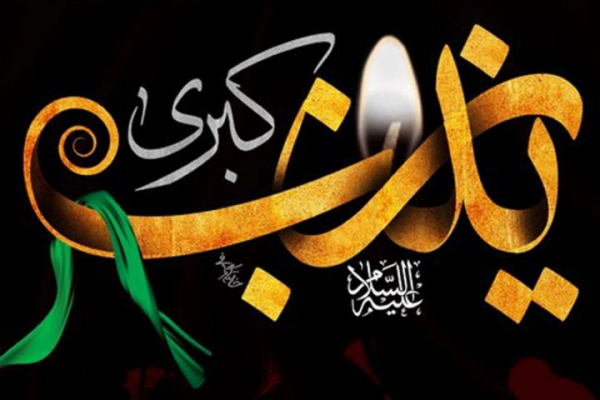
Lady Zaynab al-Kubra (peace be upon her) stands as one of the most remarkable figures in Islamic history—a woman whose patience, courage, and awareness preserved the message of Ashura. After the tragic events of Karbala and the captivity of Imam Husayn’s (AS) family, Lady Zaynab (PBUH), through her powerful and enlightening sermons in Kufa and Damascus, exposed the true nature of Umayyad oppression and played an irreplaceable role in safeguarding the truth of the Ashura movement.
Regarding the time of Lady Zaynab’s (PBUH) death, historians differ in their accounts. However, the most widely accepted view is that she passed away on the 15th of Rajab, 62 AH, approximately one and a half years after the tragedy of Karbala. The immense physical and emotional suffering she endured—from the calamities of Karbala, captivity, and separation from her loved ones—undoubtedly contributed to the brevity of her life.
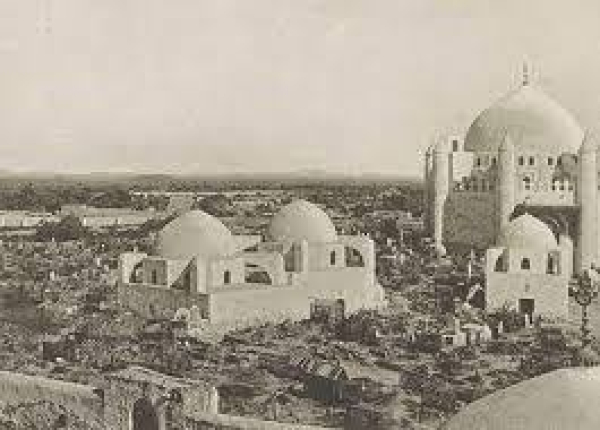
The place of her passing is also a matter of historical disagreement. Some sources suggest Medina, others Egypt, while many Shi‘a sources consider Damascus to be the place of her death. According to this view, her present-day shrine in Damascus marks her final resting place—a site that has become a destination for lovers of the Ahl al-Bayt and a symbol of resistance and steadfastness against injustice.
The life and death of Lady Zaynab (PBUH) serve as a powerful reminder that the mission of Ashura was not confined to the battlefield alone, but continued through awareness, patience, and perseverance afterward. Through her life, the Lady of Patience demonstrated that some of the most enduring victories are achieved not by the sword, but through consciousness and resilience.
Tayyibi Ismailism (e.g., Dawoodi Bohras)
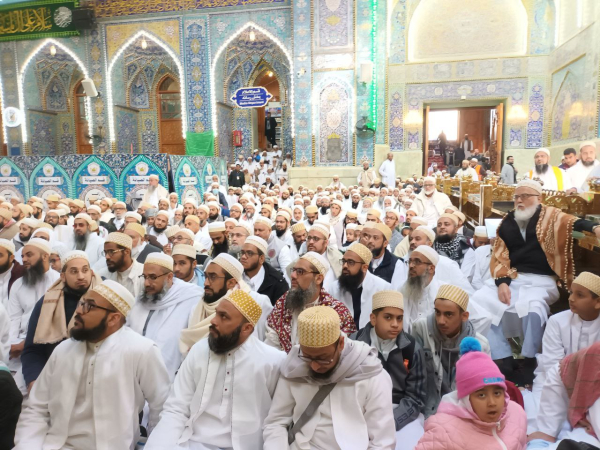
This group is a lesser-known branch of Ismaili Shi’a Islam with a distinctive religious structure.
Beliefs and structure:
They believe in the Imamate of Ismail ibn Ja‘far and his descendants.
After the concealment of their Imam, leadership passed to the Da‘i al-Mutlaq (absolute missionary).
Esoteric (inner) interpretation of the Qur’an (ta’wil) is very important to them.
They have a highly organized religious and social system.
Cultural features:
They wear distinctive traditional white clothing.
They place strong emphasis on education, commerce, and social discipline.
Their community is relatively closed but very cohesive.
Zaydism (Zaydiyya)
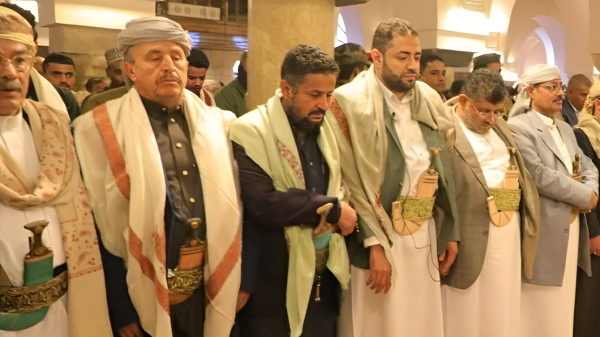
Zaydism is one of the earliest branches of Shi’a Islam and is named after Zayd ibn Ali, the grandson of Imam Husayn.
Beliefs and differences:
Zaydis recognize the Imams only up to Ali ibn Husayn (Zayn al-Abidin) and then Zayd ibn Ali.
They do not accept the doctrine of infallibility of Imams as Twelver Shi’a do.
Any descendant of Fatimah who is knowledgeable, courageous, and actively rises against injustice can be considered an Imam.
Zaydi jurisprudence is very similar to Sunni fiqh, especially the Hanafi school.
Today:
Zaydis are mainly found in northern Yemen.
The Houthi movement has intellectual roots in Zaydism, though it has become heavily politicized.
Ibadism (Ibadiyya)
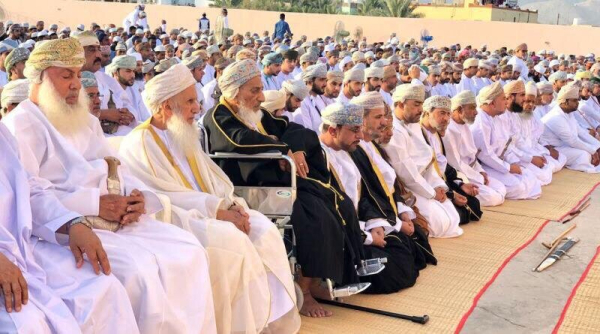
Ibadism is one of the oldest Islamic sects, with roots going back to the first century of Islam.
Key characteristics:
Historically, it emerged from the Kharijite movement, but Ibadis do not consider themselves radical Kharijites and are much more moderate in practice.
They do not declare other Muslims (Sunni or Shia) to be unbelievers and generally support peaceful coexistence.
In jurisprudence, they rely heavily on the Qur’an, Sunnah, and consensus.
In Ibadi thought, a ruler must be just, even if he is not from the Quraysh tribe.
Today:
Ibadism is the official religion of Oman.
They are not a closed community, but their beliefs and practices are less visible in mainstream media.
What Happened Today in Palestine
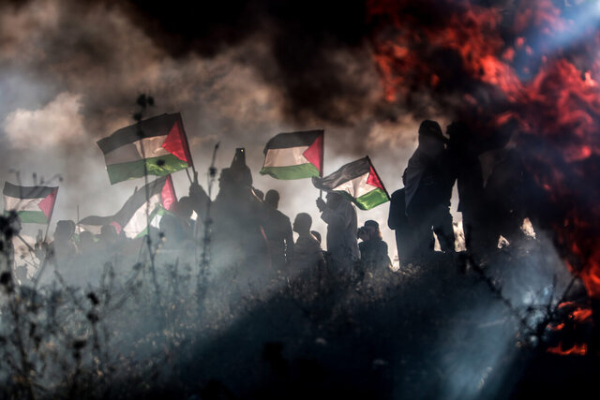
Arrests in the West Bank:
Today, Israeli forces carried out raids in parts of southern Hebron, particularly around the Masafer Yatta area, and arrested several Palestinian residents. These operations were accompanied by house searches, movement restrictions, and the creation of fear among civilians, further disrupting daily life in the area.
Settler Attacks and Harm to Civilians:
In one area of the West Bank, Israeli settlers attacked Palestinian homes and agricultural lands. During the assault, an infant was injured, and several olive trees—an essential source of livelihood for many families—were destroyed. Such attacks have caused serious economic and psychological harm to local residents.
Ongoing Humanitarian Crisis in Gaza:
In the Gaza Strip, despite the passage of months since the escalation of the conflict, the humanitarian situation remains critical. Severe shortages of food, medicine, fuel, and medical services continue to threaten the lives of civilians, especially children, the sick, and the elderly.
Overall, today’s developments show that pressure on Palestinian civilians continues both in the West Bank and Gaza. This pressure affects not only physical safety but also livelihoods, health, and the future of coming generations. At the same time, the lack of a clear path toward ending the violence has increased concerns about a worsening humanitarian crisis and growing regional instability.
Israeli military launches new strikes across Gaza amid systematic ceasefire violations
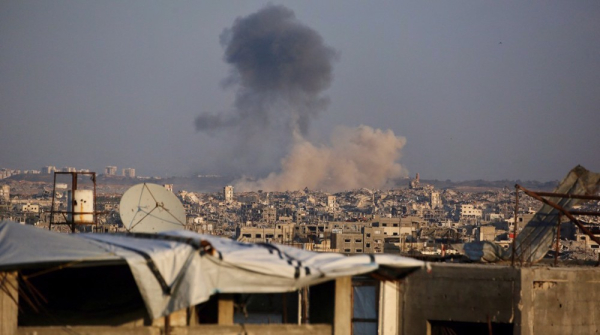
srael has unleashed new airstrikes and artillery fire across Gaza, continuing to violate the ceasefire while choking off desperately needed humanitarian aid to the war-torn coastal region.
Palestinian media outlets, citing local sources, reported that Israeli artillery units shelled the eastern flank of Gaza City on Thursday morning.
No reports about possible civilian casualties and the extent of damage caused were quickly available.
Israeli warplanes also heavily bombed areas east of Rafah, which sits on Gaza's southern border with Egypt.
Residents also reported an Israeli air strike east of Deir al-Balah city in the central Gaza Strip.
The attack did not result in injuries, according to emergency services.
Additionally, Israeli forces opened fire on neighborhoods in Khan Younis and Gaza City, and demolished buildings in Khan Younis.
Authoritative Shi‘a Fatwas Prohibiting Insults
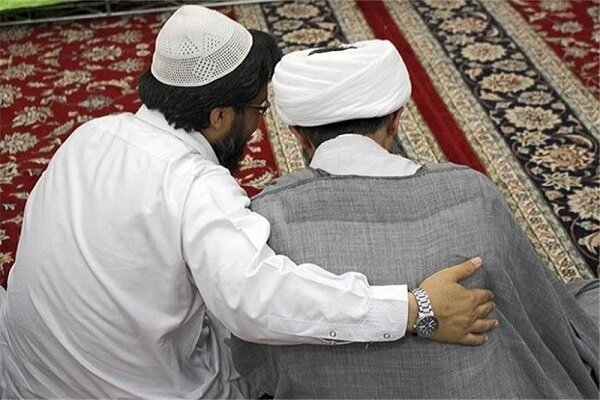
Consistent with the Qur’an and the teachings of Ahl al-Bayt, leading contemporary Shi‘a scholars have issued explicit rulings declaring that insulting Sunni sanctities is religiously forbidden (haram).
Among the most well-known rulings is the fatwa of Ayatollah Sayyid Ali Khamenei, the Supreme Leader of Iran:
“Insulting the symbols of our Sunni brothers, including the wives of the Prophet Muhammad (PBUH), is forbidden. This includes any action or statement that may cause division among Muslims.”
Source: Official Istifta’ (religious ruling), 2010
Similarly, Grand Ayatollah Sayyid Ali al-Sistani, the highest Shi‘a authority in Iraq, has consistently emphasized:
“It is not permissible to insult the sanctities of other Islamic schools of thought, and such actions contradict the morals of the Ahl al-Bayt.”
Source: Statements and responses issued by the Office of Ayatollah al-Sistani
These rulings clearly demonstrate that the mainstream and authoritative Shi‘a position strictly rejects insult, provocation, and sectarian hostility.
The Teaching of Imam Ali (AS)
This moral approach is clearly reflected in the teachings of Imam Ali ibn Abi Talib (peace be upon him). During the Battle of Siffin, when some of his followers began insulting their opponents, Imam Ali admonished them.
Arabic text:
«إِنِّي أَكْرَهُ لَكُمْ أَنْ تَكُونُوا سَبَّابِينَ»
English Translation:
“Indeed, I dislike that you should be people who curse and insult others.”
Source:
Nahj al-Balāghah, Sermon 206
Clarifying the Role of Extremist Minority Groups
Despite this clear stance, a very small number of individuals or groups sometimes engage in offensive rhetoric while falsely presenting themselves as representatives of Shi‘ism. These groups—often referred to as “Shi‘a-like” or “British Shi‘a”—are widely regarded as instruments of hostile agendas aimed at dividing the Muslim Ummah. They represent only an insignificant minority and have no religious legitimacy or support among recognized Shi‘a scholars or the wider Shi‘a community.
Their actions serve the interests of the enemies of Islam by fueling sectarian conflict between Sunni and Shi‘a Muslims.
The Shi‘a Perspective on the Companions of the Prophet (PBUH)
Introduction
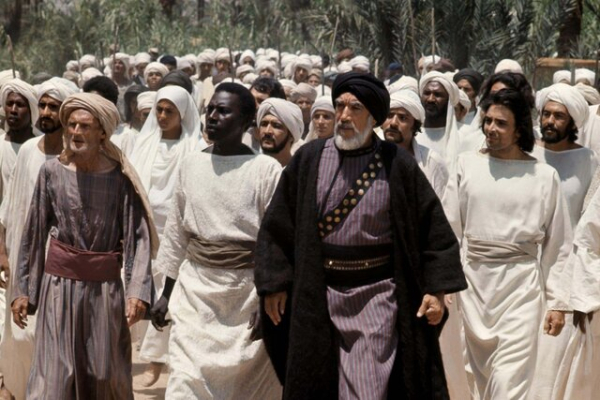
One of the sensitive and often misunderstood issues in Muslim relations is the Shi‘a view regarding the Companions of the Prophet Muhammad (peace be upon him). The authentic Shi‘a school of thought, based on the Qur’an, the teachings of Ahl al-Bayt (peace be upon them), and the rulings of its leading scholars, emphasizes respect, ethical discourse, and the preservation of unity within the Muslim Ummah. Clarifying this position plays an important role in strengthening mutual understanding and unity between Shi‘a and Sunni Muslims.
Main Body
From the Shi‘a perspective, the Companions of the Prophet (PBUH) hold an important place in Islamic history, and many of them made great sacrifices in the path of Islam. The general principle in Shi‘a theology is respect for the Companions and rejection of insult or abuse.
The Holy Qur’an explicitly forbids insulting others, stating:
Arabic:
﴿وَلَا تَسُبُّوا الَّذِينَ يَدْعُونَ مِن دُونِ اللَّهِ فَيَسُبُّوا اللَّهَ عَدْوًا بِغَيْرِ عِلْمٍ﴾
(سورة الأنعام، آية 108)
English Translation:
“And do not insult those they invoke besides Allah, lest they insult Allah in enmity without knowledge.”
(Qur’an 6:108)
This verse establishes a fundamental Islamic ethic: avoiding verbal abuse even toward those with whom one disagrees. Therefore, insulting respected figures of fellow Muslims is clearly against Qur’anic teachings.
This approach is also evident in the conduct of Imam ‘Ali ibn Abi Talib (peace be upon him). During the Battle of Siffin, when some of his followers began to verbally abuse the opposing side, Imam Ali strongly discouraged this behavior.
Arabic narration:
«إِنِّي أَكْرَهُ لَكُمْ أَنْ تَكُونُوا سَبَّابِينَ»
English Translation:
“Indeed, I dislike that you should be abusive and insulting.”
Source:
Nahj al-Balāghah, Sermon 206
Imam Ali (AS) further advised his followers to describe wrongdoing with justice and to speak with wisdom rather than resorting to insults—setting a lasting moral guideline for Shi‘a conduct.
In line with this tradition, prominent Shi‘a scholars in the contemporary era have issued clear religious rulings (fatwas) stating that insulting the sanctities of Sunni Muslims—including the wives and Companions of the Prophet (PBUH)—is strictly forbidden (haram). These rulings demonstrate that the official and mainstream Shi‘a position is rooted in respect, restraint, and Islamic unity.
At the same time, it must be clarified that a very small number of individuals may engage in provocative or offensive speech while falsely claiming to represent Shi‘ism. These so-called “Shi‘a-like” or “British Shi‘a” groups are widely recognized as tools of hostile forces seeking to divide Muslims. They represent only a tiny minority and have no connection to the broader Shi‘a community or its religious authorities. Their actions are part of a deliberate project to sow discord between Sunni and Shi‘a Muslims.
Conclusion
In conclusion, authentic Shi‘ism—grounded in the Qur’an, the teachings of Imam Ali (AS), and the fatwas of its scholars—respects the Companions of the Prophet (PBUH), rejects insult and abuse, and considers Islamic unity a religious obligation. Distinguishing this principled stance from the behavior of marginal, divisive groups is essential for strengthening brotherhood, coexistence, and collective strength within the Muslim Ummah in the face of shared challenges and enemies.
Lady Khadijah: A Kind and Supportive Wife of the Prophet
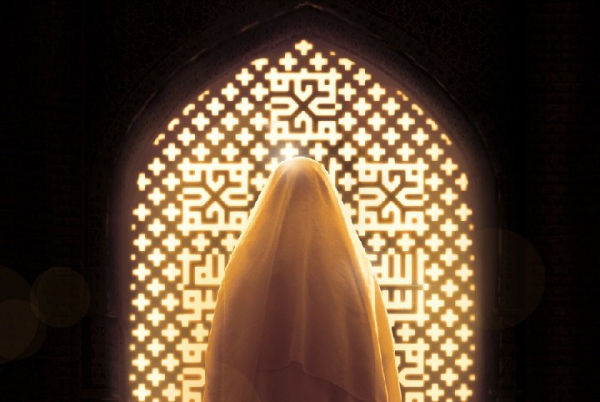
True Story (from Sunni sources):
Years after her death, the Prophet Muhammad (ﷺ) said:
“No wealth ever benefited me as much as the wealth of Khadijah.”
During the economic and social boycott of Muslims in Shi‘b Abi Talib, Lady Khadijah spent all of her wealth to support the Prophet and the early Muslim community, until nothing remained of it in her final years.
Sunni Sources:
? Musnad Ahmad ibn Hanbal
? Sunan al-Tirmidhi (Hasan hadith)
Explanation:
This narration shows that Lady Khadijah was not only the Prophet’s wife, but also his strongest emotional and financial supporter during the hardest period of Islam.
Lady Khadijah: A Role Model of Faith and Sacrifice
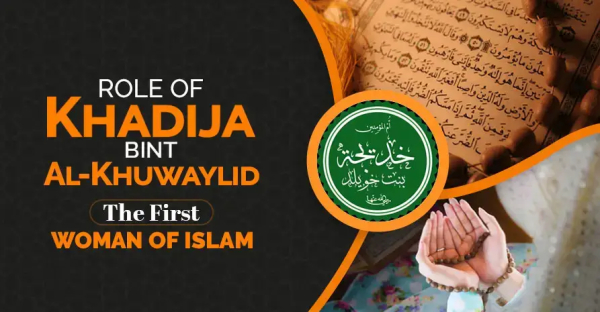
True Story (from Sunni sources):
When the first revelation came to Prophet Muhammad (ﷺ) in the Cave of Hira, he returned home trembling and said:
“Cover me, cover me.”
Lady Khadijah (peace be upon her) immediately comforted him and said these famous words:
“By Allah, Allah will never disgrace you.
You uphold family ties, you speak the truth,
you help the poor and the weak,
and you support justice.”
She was the very first person to believe in him, and she later took him to Waraqah ibn Nawfal to confirm the divine nature of the revelation.
Sunni Sources:
? Sahih al-Bukhari, Book of the Beginning of Revelation
? Sahih Muslim
Explanation:
This story shows that Lady Khadijah’s faith was immediate, conscious, and based on wisdom and insight, not emotion or blind loyalty.